How Do You Know If Poor Attic Insulation Is Secretly Shortening Your Roof's Lifespan?
November 23, 2026
Your roof is one of the most vital components of your home, providing protection against the elements and contributing significantly to your property's curb appeal. However, like any part of your home, roofs don't last forever. Knowing the signs that indicate it's time for a roof replacement can save you from costly repairs or potential damage to your home. At Elevated Roofing and Construction in Amarillo, TX, we are your trusted partners in determining when a roof replacement is necessary. Below, we outline key indicators that it might be time to replace your roof.
1. Age of Your Roof
The longevity of a roof largely depends on the materials used. Asphalt shingle roofs typically last 20-25 years, while metal roofs can last longer. If your roof is nearing the end of its lifespan, it's wise to start considering a replacement. Proactively replacing an aging roof can prevent leaks and structural damage.
2. Frequent Repairs
If you're constantly calling for repairs, it might be more cost-effective to replace the entire roof. Ongoing repairs can add up and still leave you with an unreliable roofing system. Our team can help you weigh the cost of repairs versus a new roof to make the best decision for your home.
3. Visible Shingle Damage
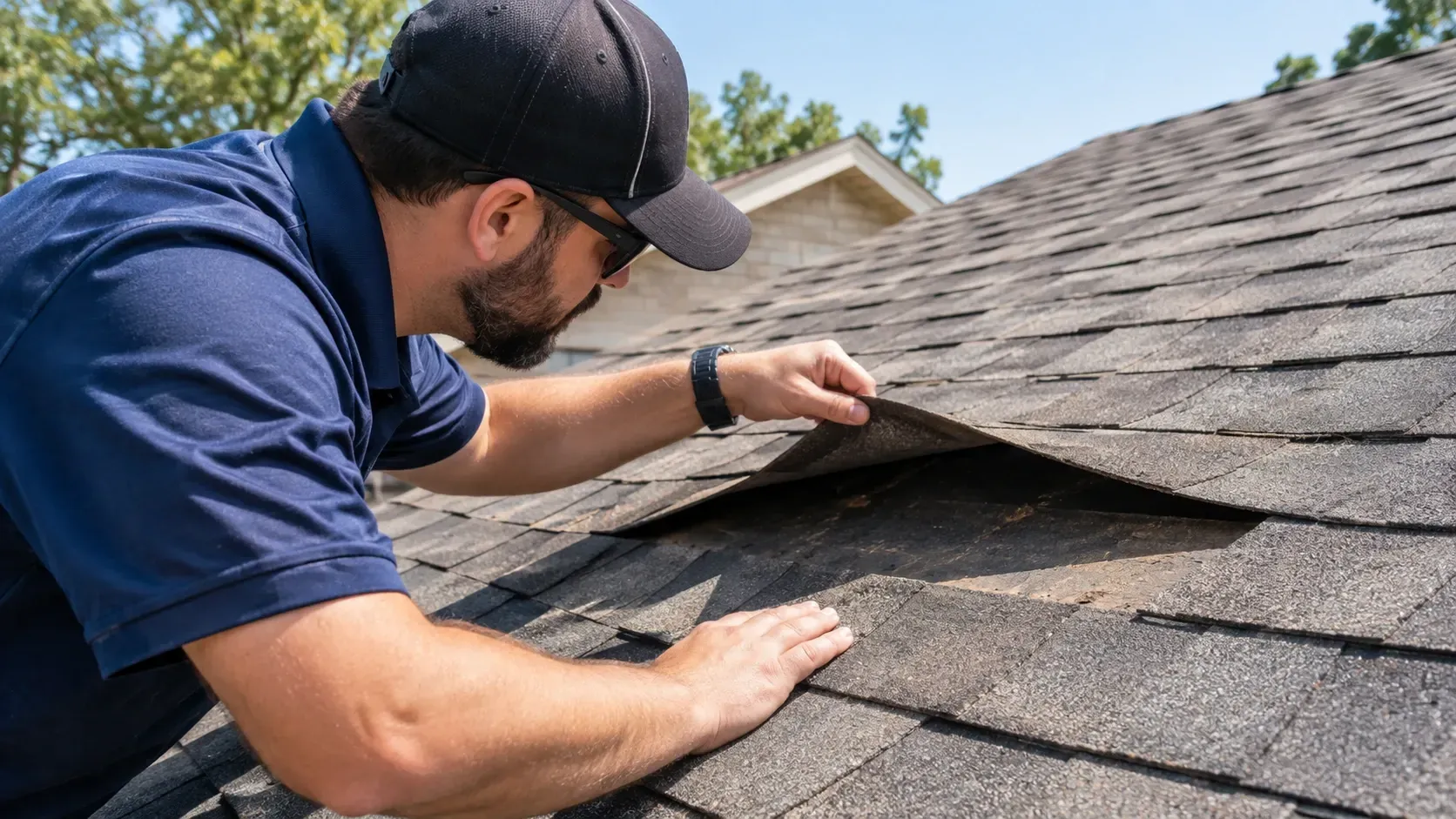
Inspect your roof periodically for signs of wear and tear. Look for shingles that are curled, cracked, or missing altogether. These are signs that your shingles have reached the end of their life cycle and are no longer providing the protection your home needs.
4. Roof Leaks and Water Damage
Water stains on ceilings or walls inside your home are clear indicators of a roof leak. If you've noticed water damage or signs of mold and mildew, it's critical to address the issue immediately to prevent further damage to your home’s interior.
5. Sagging Roof
A sagging roof is a serious issue that indicates structural problems. If you notice any part of your roof sagging, it's crucial to address it immediately to prevent further structural failure. This often requires a full roof replacement to ensure your home’s safety.
6. Granules in Gutters
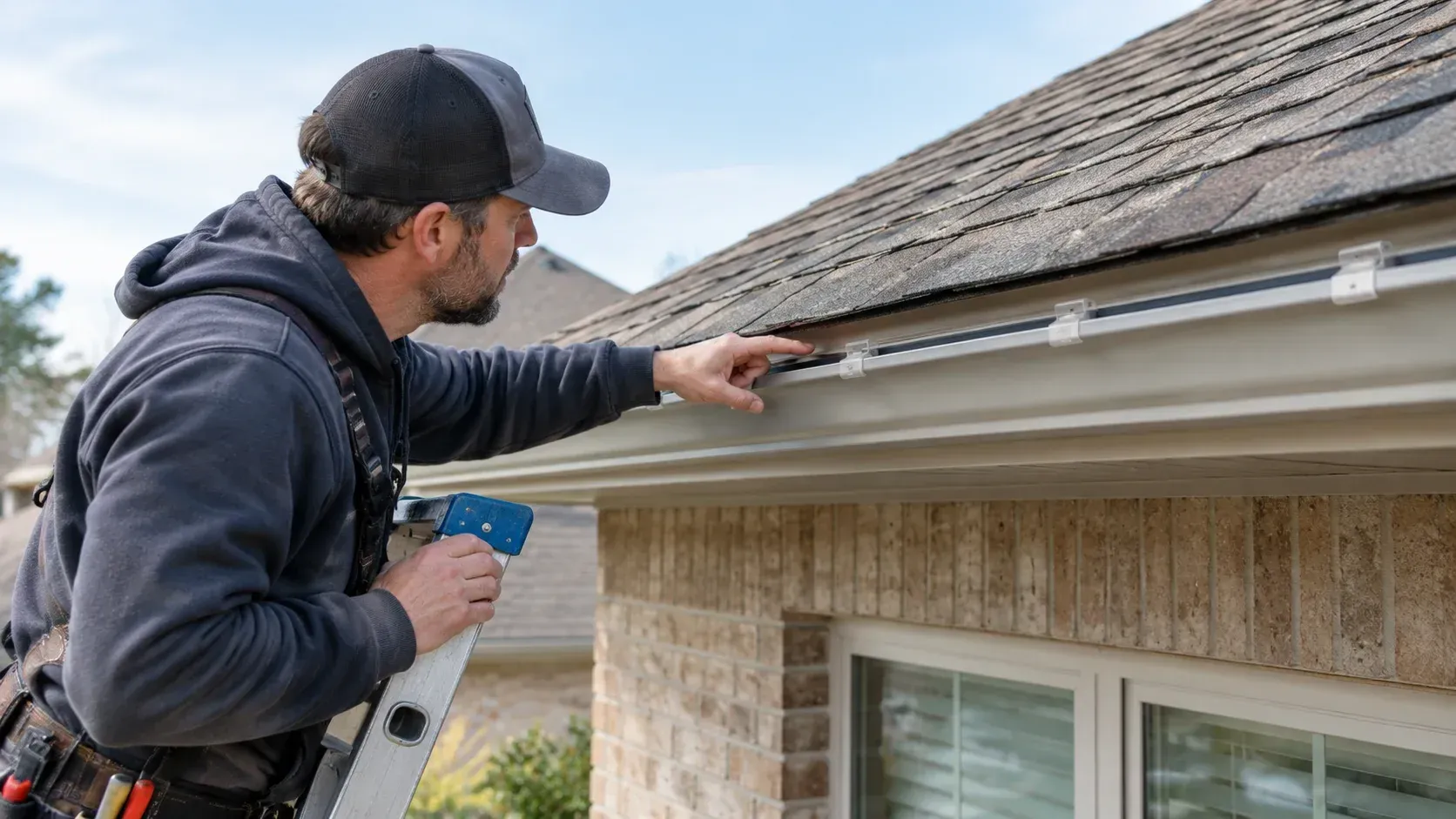
As shingles age, they lose their granules, which often end up in your gutters. If you notice a significant amount of granules in your gutters, it could be a sign that your shingles are deteriorating and need replacing.
7. Increased Energy Bills
A well-insulated roof can help regulate your home's temperature. If you've noticed an unexplained increase in your energy bills, your roof might not be insulating effectively. This can often be mitigated by a new roof with better insulation properties.
8. Moss or Algae Growth
While moss and algae growth can sometimes be cleaned off, persistent growth might be a sign that moisture is being trapped in your roof, which can lead to structural damage. If moss and algae are constantly reappearing despite cleaning, a roof replacement might be necessary.
9. Storm Damage
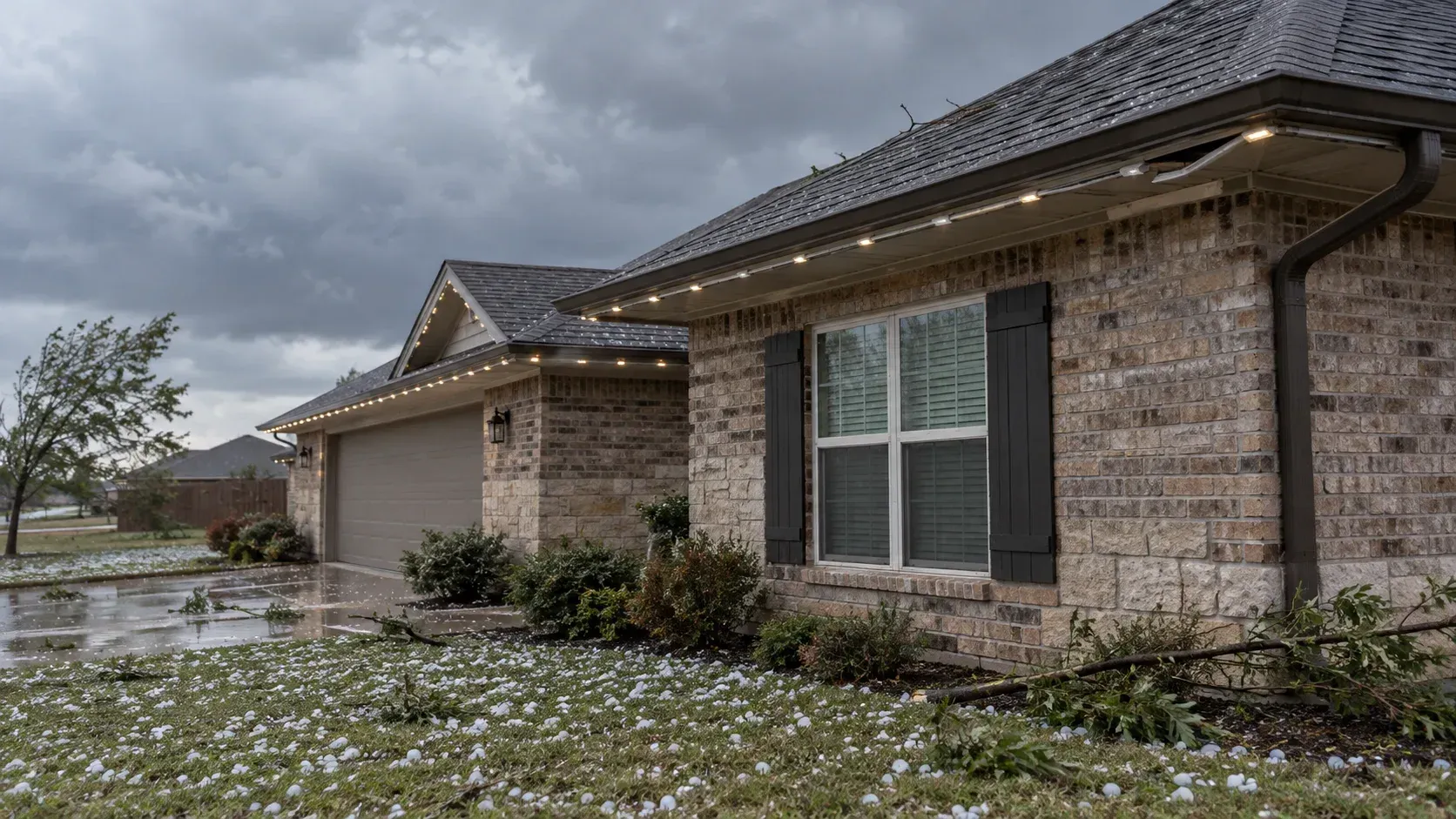
After severe weather events, like hailstorms or high winds, it's essential to inspect your roof. Storm damage can be extensive and often requires professional evaluation. Elevated Roofing and Construction can inspect your roof for damage and recommend whether repairs or a full replacement are needed.
10. Sunlight through Roof Boards
If you can see sunlight shining through your roof boards in the attic, it's a clear indication that your roof has holes or gaps. This type of damage allows in water and pests, necessitating an urgent replacement.
Act Now to Protect Your Home
If you've noticed any of these signs, it's crucial to contact a professional roofing company that can provide a thorough evaluation. Delaying roof replacement can lead to significant structural damage and costly repairs down the line. Elevated Roofing and Construction is here to assist you every step of the way, offering expert assessment and high-quality roof replacement services in Amarillo, TX, and surrounding areas.
Why Choose Elevated Roofing and Construction?
Our experienced team is dedicated to providing superior craftsmanship and exceptional customer service. We use only premium materials and advanced techniques to ensure your new roof stands the test of time. Plus, we work closely with your insurance company to make the process as seamless as possible.
Don't wait until a minor roofing issue becomes a major problem. Contact Elevated Roofing and Construction today to schedule your roof inspection. Visit our website at www.elevatedroofingtx.com or call us at (806) 738-4082. Let us help you protect your home with a reliable and beautiful new roof. Your dream roof is just a call away!
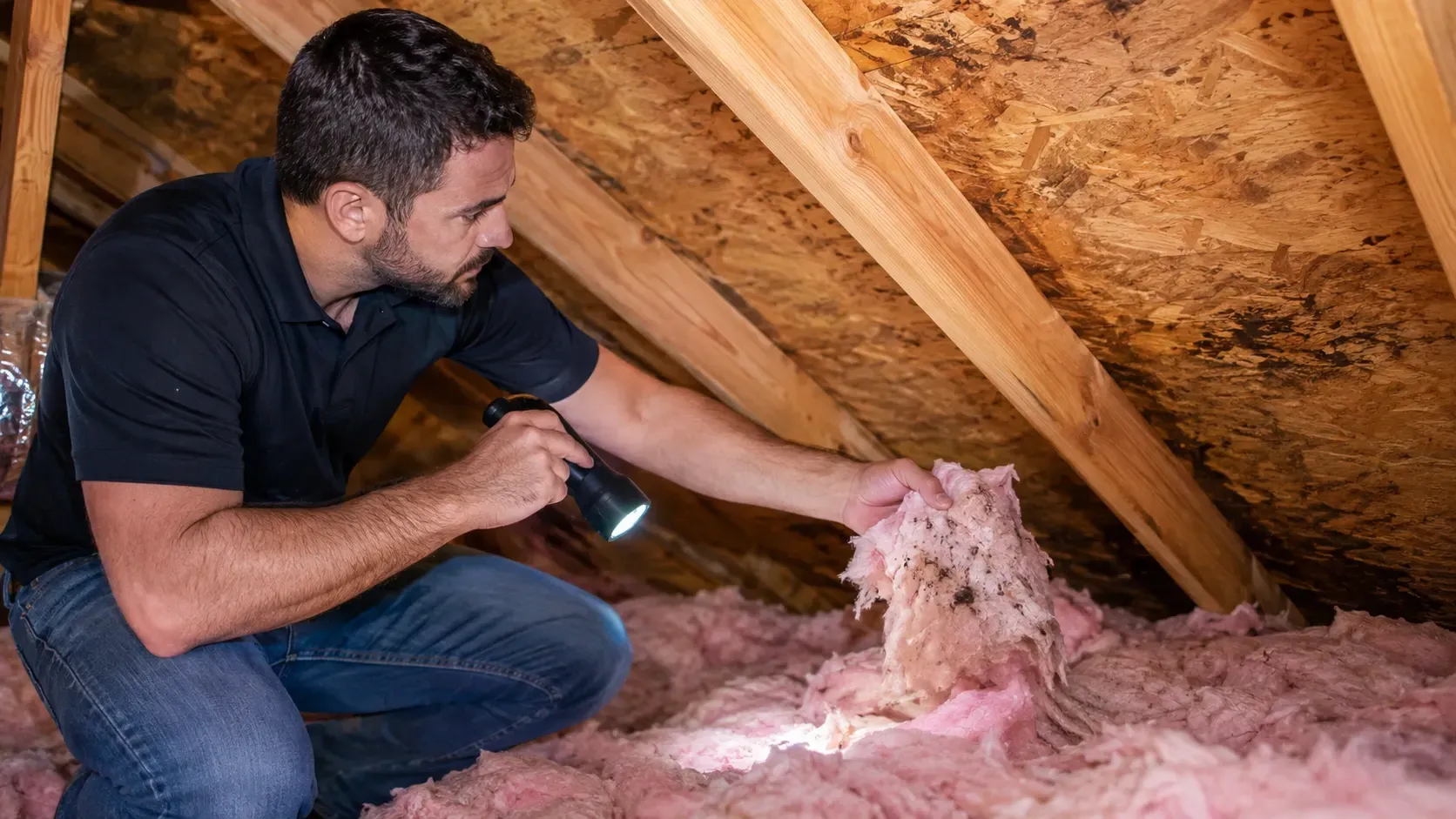
Table of Contents
- Direct Answer: Can Attic Insulation Really Affect Roof Lifespan?
- How Attic Insulation and Roof Life Are Actually Connected
- Signs Poor Insulation May Be Damaging Your Roof
- Why This Matters More in Amarillo's Climate
- Insulation Versus Ventilation, and Why Both Matter
- A Hypothetical Scenario: Two Attics, Two Outcomes
- A Homeowner Check Framework
- Common Misunderstandings About Insulation and Roofing
- What Typical Online Advice Overlooks
- Risks, Limitations, and What Varies by Home
- Conclusion
- Questions About Attic Insulation and Roof Health in Amarillo, TX
- Frequently Asked Questions
Key Takeaways
- Poor attic insulation does not damage a roof directly, but it changes attic temperature and moisture levels in ways that can age shingles and roof decking faster than normal.
- Warning signs include uneven interior temperatures, high energy bills, frost or moisture in the attic, and shingles that appear to wear unevenly across the roof.
- Amarillo's wide temperature swings, intense summer sun, and winter freezes make attic conditions more influential on roof lifespan than they would be in a milder climate.
- Insulation and ventilation work together. Insulation alone, without proper airflow, can trap heat and moisture rather than resolve the problem.
- A professional inspection that looks at both the attic and the roofing surface gives a clearer picture than judging either one on its own.
Introduction
Poor attic insulation can secretly shorten a roof's lifespan by letting heat and moisture build up under the roofing surface, which accelerates shingle aging and can damage decking over time. A thorough roof inspection often reveals this connection, since attic conditions and roof condition are frequently part of the same underlying problem.
This matters because the relationship is not obvious from the outside. A roof can look fine from the ground while the attic underneath is quietly running hotter or wetter than it should, wearing down materials faster than the shingle's rated lifespan would suggest. Homeowners and business owners in Amarillo deal with wide temperature swings and strong summer sun, both of which make attic conditions a bigger factor here than in milder climates.
This article explains how insulation and roof lifespan are actually connected, the signs that suggest a problem, and how insulation and ventilation need to work together to protect a roof.
Direct Answer: Can Attic Insulation Really Affect Roof Lifespan?
Direct Answer: Yes. Insufficient or poorly installed attic insulation can let excess heat and moisture reach the underside of the roof deck, which speeds up shingle deterioration, promotes condensation, and in some cases contributes to decking damage.
The mechanism is indirect but real. Insulation controls how much heat and humidity move between the living space and the attic. When insulation is thin, gapped, or compressed, the attic behaves more like an extension of the outdoor environment, swinging to extremes that building materials were not designed to handle continuously.
The honest caveat is that insulation rarely causes roof failure on its own. It is one variable among several, including ventilation, roof age, and material quality, and its effect builds slowly over years rather than producing sudden damage.
How Attic Insulation and Roof Life Are Actually Connected
Heat buildup under the shingles
In summer, a poorly insulated attic absorbs more heat from the living space below and combines it with heat radiating through the roof from the sun above. Shingles already handle significant surface temperatures, and prolonged elevated heat from underneath adds to that stress, which can accelerate the breakdown of asphalt and the loss of protective granules over time.
Moisture and condensation
In colder months, warm, moist indoor air can rise into an under-insulated attic and condense on the cold underside of the roof deck. Repeated condensation cycles can lead to damp insulation, wood deterioration, and conditions that support mold growth, none of which show up immediately from outside the home.
Decking and structural effects
Wood roof decking that stays damp or experiences repeated temperature swings can warp, weaken, or delaminate over years. This does not happen quickly, but it changes the surface the shingles are fastened to, which can affect how well the roofing system performs as a whole.
Signs Poor Insulation May Be Damaging Your Roof
H3a: Uneven indoor temperatures
Rooms directly under the attic that feel noticeably hotter in summer or colder in winter than the rest of the house often point to insufficient or unevenly distributed insulation.
H3a: Rising energy bills without an obvious cause
A gradual increase in heating or cooling costs, without a change in usage habits, can indicate that insulation is allowing more heat transfer than it should.
H3a: Frost, moisture, or a musty smell in the attic
Visible frost on the underside of the roof deck in winter, or a persistent musty odor at any time of year, suggests moisture is accumulating in the attic space.
H3a: Shingles wearing unevenly across the roof
If one section of the roof shows more granule loss, discoloration, or curling than the rest, and that section sits above a part of the home with known insulation gaps, the two may be related.
H3a: Ice or snow melting unevenly on the roof
While Amarillo sees less snow than other regions, patchy melting during winter weather events, with warmer spots over heated living space and cooler spots elsewhere, can indicate inconsistent attic insulation.
Why This Matters More in Amarillo's Climate
Amarillo experiences intense summer heat, strong year-round sun exposure, and winter conditions that bring genuine freezing temperatures, sometimes within the same week as a warm afternoon. That combination puts attic insulation to work in both directions, resisting heat gain in summer and limiting heat loss in winter, often within a short span of time.
The Panhandle's open terrain and strong sun also mean roof surface temperatures can run considerably higher than the surrounding air temperature during summer afternoons. A properly insulated attic reduces how much of that heat transfers into the living space, while a poorly insulated one allows more of it to move both directions, adding stress to the roofing system from underneath as well as from the sun above.
Insulation Versus Ventilation, and Why Both Matter
What insulation does
Insulation slows the transfer of heat between the attic and the living space. It is typically installed along the attic floor or sometimes along the roofline, depending on the home's design.
What ventilation does
Ventilation moves air through the attic space itself, carrying away heat and moisture rather than simply slowing their transfer. Intake vents at the eaves and exhaust vents near the ridge
work together to create airflow.
Why one without the other creates problems
Adding insulation without adequate ventilation can trap heat and moisture in the attic rather than resolve the underlying issue, since insulation does not remove heat, it only slows its movement. Likewise, good ventilation with poor insulation can still allow significant heat transfer into the living space. A properly performing attic generally needs both working together, not one compensating for the other.
A Hypothetical Scenario: Two Attics, Two Outcomes
This is an illustrative example, not a record of an actual property.
Imagine a homeowner in Amarillo with a 15-year-old asphalt shingle roof. The attic has adequate insulation depth but blocked soffit vents from a previous insulation project that covered the intake points. Heat and moisture build up in the attic despite the insulation being technically sufficient, and the shingles directly above show accelerated granule loss within a few years, well ahead of similar shingles on a neighboring, properly ventilated home.
Now imagine a second homeowner with thinner insulation but clear, functioning intake and exhaust vents. The attic runs hotter than ideal in summer, but moving air prevents the same level of moisture buildup, and the shingles age closer to their expected rate, even though the insulation alone would not meet current recommendations.
The difference illustrates why insulation depth is only part of the picture. Airflow and moisture control matter just as much as how thick the insulation layer is.
A Homeowner Check Framework
A practical way to evaluate whether your attic may be affecting your roof:
- Check attic temperature on a hot afternoon. An attic that feels dramatically hotter than expected may indicate poor insulation, poor ventilation, or both.
- Look for visible gaps or compression in the insulation. Insulation that has settled, shifted, or been disturbed by prior work loses effectiveness.
- Inspect for moisture signs. Frost, water stains, or a musty smell point to condensation issues that insulation alone will not solve.
- Confirm vents are not blocked. Insulation installed without care can cover soffit vents, cutting off the airflow the attic needs.
- Compare energy bills over time. A gradual increase without a clear cause is worth investigating further.
- Schedule a combined attic and roof assessment. A roofing contractor who looks at both the insulation and the roofing surface together can connect signs that seem unrelated when viewed separately. If attic conditions have already affected the roof, understanding your roof repair options sooner rather than later can limit further damage.
Common Misunderstandings About Insulation and Roofing
Common belief: More insulation always means a healthier roof. What is actually true: Insulation without adequate ventilation can trap heat and moisture rather than resolve attic problems, and overpacked insulation can sometimes block the airflow vents depend on. Why the distinction matters: Simply adding more insulation is not a universal fix and can occasionally make ventilation problems worse.
Common belief: Attic problems only matter for comfort and energy bills, not the roof itself. What is actually true: Sustained heat and moisture in the attic can accelerate shingle aging and affect the roof deck over time, connecting attic conditions directly to roof lifespan. Why the distinction matters: Homeowners who view insulation purely as an energy issue may miss early signs of roof-related damage.
Common belief: If the roof looks fine from outside, the attic underneath must be fine too. What is actually true: Attic heat and moisture problems often develop gradually and are not visible from the exterior until shingle wear becomes significant. Why the distinction matters: Relying only on a visual check from the ground can miss a slowly developing problem.
What Typical Online Advice Overlooks
Most general insulation articles focus entirely on energy savings and comfort, treating roof lifespan as a separate topic.
Few articles explain that insulation and ventilation are a paired system, not independent choices. Addressing one without the other is a common and overlooked source of continued attic problems even after insulation upgrades.
Generic guidance also rarely distinguishes climate-specific risk. A guide written for a humid coastal climate emphasizes different moisture concerns than one relevant to Amarillo's dry heat and sharp winter freezes, yet much online content treats attic advice as universal.
Finally, online advice aimed at homeowners rarely addresses commercial buildings separately, where flat or low-slope roofs, different insulation placement, and different ventilation systems change how attic-related issues present and how they should be evaluated.
Risks, Limitations, and What Varies by Home
A few limitations are worth stating directly.
The relationship between attic insulation and roof lifespan is real but gradual, and it is rarely the sole cause of a roofing problem. Roof age, material quality, original installation, and weather exposure all play a role alongside attic conditions.
Insulation and ventilation needs vary by home design, roof shape, and attic configuration, so a general recommendation cannot replace an assessment of your specific attic. What works well in one home's layout may not translate directly to another.
This article describes common patterns rather than a diagnosis for any individual property. A professional evaluation remains the most reliable way to confirm whether attic conditions are affecting a specific roof.
Conclusion
Poor attic insulation does not damage a roof by itself, but it changes the heat and moisture environment the roof deck and shingles must tolerate, and that environment can meaningfully affect how long roofing materials last. Warning signs such as uneven indoor temperatures, rising energy bills, attic moisture, and uneven shingle wear are worth paying attention to rather than treating as unrelated issues.
Because insulation and ventilation work together, and because Amarillo's climate places real demands on both, evaluating the attic as part of a roof's overall health, rather than as a separate concern, gives homeowners and business owners a clearer picture of what is actually happening above their ceiling.
Questions About Attic Insulation and Roof Health in Amarillo, TX
If you are noticing signs that your attic may be affecting your roof in Amarillo, Elevated Roofing and Construction can look at both the attic conditions and the roofing surface together, and you can contact us to ask about what you are seeing. This is general information to support an informed decision, not a diagnosis of your specific attic or roof.
Frequently Asked Questions
Can poor attic insulation shorten a roof's lifespan?
Yes. Insufficient insulation can let heat and moisture build up near the roof deck, which can accelerate shingle aging and contribute to decking damage over time, even though it is not a direct or immediate cause of failure.
What are the signs that attic insulation is affecting my roof?
Uneven indoor temperatures, rising energy bills, frost or a musty smell in the attic, and shingles wearing unevenly in one section of the roof are all signs worth investigating further.
Does adding more insulation always help the roof?
Not necessarily. Insulation without proper ventilation can trap heat and moisture rather than resolve the issue, and insulation that blocks vents can make attic conditions worse instead of better.
Why does attic insulation matter more in Amarillo than other places?
Amarillo's intense summer heat, strong sun exposure, and sharp winter freezes place more demand on attic insulation and ventilation than a milder climate would, making attic conditions a bigger factor in roof lifespan here.
Should I get my attic and roof inspected together?
Yes, when possible. A combined assessment can connect signs that seem unrelated when the attic and roof are evaluated separately, giving a clearer picture of the overall condition.
Related Posts