Does Installing Permanent Holiday Lighting Void Your Roof's Shingle Warranty?
October 21, 2026
Your roof is one of the most vital components of your home, providing protection against the elements and contributing significantly to your property's curb appeal. However, like any part of your home, roofs don't last forever. Knowing the signs that indicate it's time for a roof replacement can save you from costly repairs or potential damage to your home. At Elevated Roofing and Construction in Amarillo, TX, we are your trusted partners in determining when a roof replacement is necessary. Below, we outline key indicators that it might be time to replace your roof.
1. Age of Your Roof
The longevity of a roof largely depends on the materials used. Asphalt shingle roofs typically last 20-25 years, while metal roofs can last longer. If your roof is nearing the end of its lifespan, it's wise to start considering a replacement. Proactively replacing an aging roof can prevent leaks and structural damage.
2. Frequent Repairs
If you're constantly calling for repairs, it might be more cost-effective to replace the entire roof. Ongoing repairs can add up and still leave you with an unreliable roofing system. Our team can help you weigh the cost of repairs versus a new roof to make the best decision for your home.
3. Visible Shingle Damage
Inspect your roof periodically for signs of wear and tear. Look for shingles that are curled, cracked, or missing altogether. These are signs that your shingles have reached the end of their life cycle and are no longer providing the protection your home needs.
4. Roof Leaks and Water Damage
Water stains on ceilings or walls inside your home are clear indicators of a roof leak. If you've noticed water damage or signs of mold and mildew, it's critical to address the issue immediately to prevent further damage to your home’s interior.
5. Sagging Roof
A sagging roof is a serious issue that indicates structural problems. If you notice any part of your roof sagging, it's crucial to address it immediately to prevent further structural failure. This often requires a full roof replacement to ensure your home’s safety.
6. Granules in Gutters
As shingles age, they lose their granules, which often end up in your gutters. If you notice a significant amount of granules in your gutters, it could be a sign that your shingles are deteriorating and need replacing.
7. Increased Energy Bills
A well-insulated roof can help regulate your home's temperature. If you've noticed an unexplained increase in your energy bills, your roof might not be insulating effectively. This can often be mitigated by a new roof with better insulation properties.
8. Moss or Algae Growth
While moss and algae growth can sometimes be cleaned off, persistent growth might be a sign that moisture is being trapped in your roof, which can lead to structural damage. If moss and algae are constantly reappearing despite cleaning, a roof replacement might be necessary.
9. Storm Damage
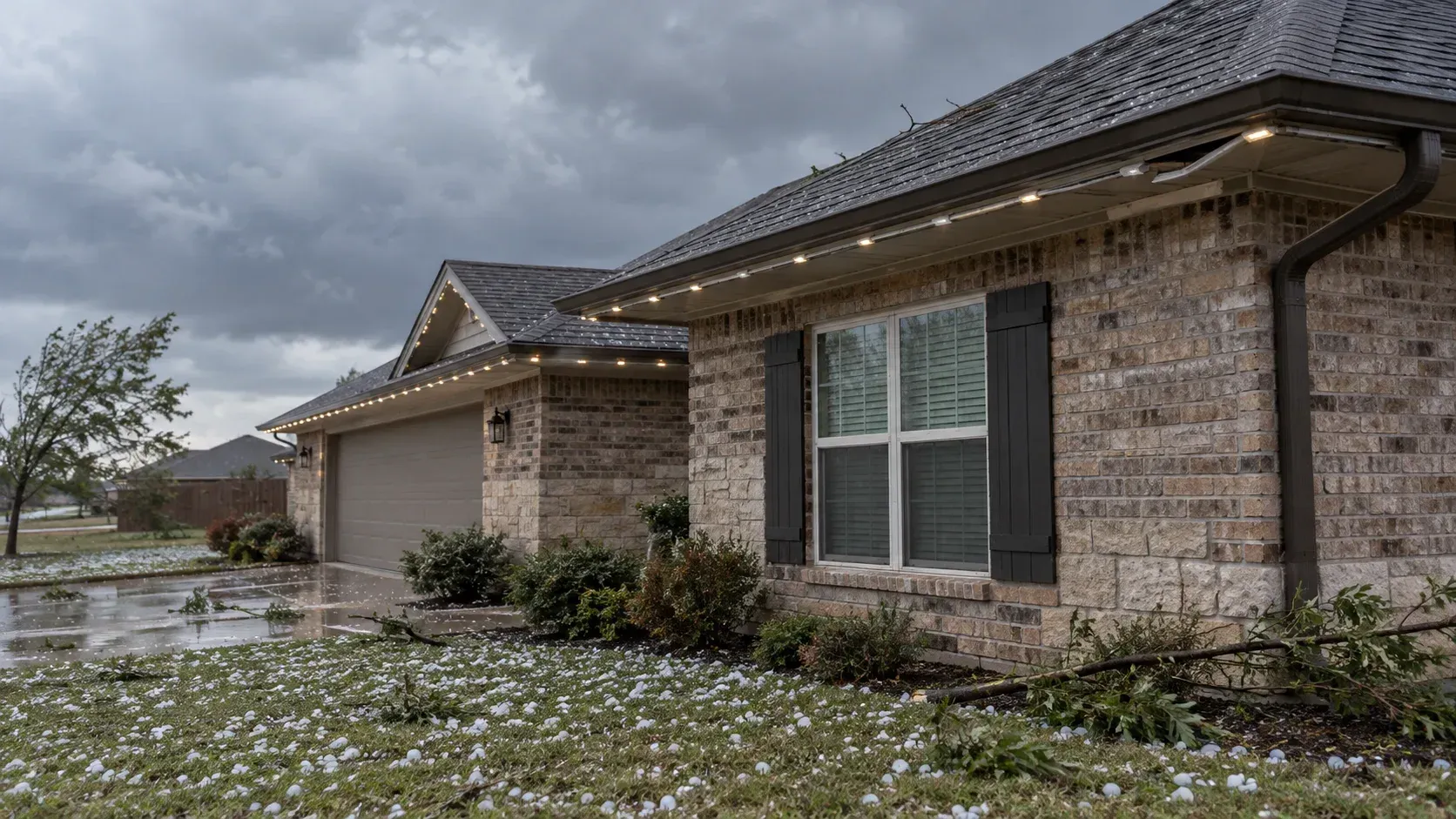
After severe weather events, like hailstorms or high winds, it's essential to inspect your roof. Storm damage can be extensive and often requires professional evaluation. Elevated Roofing and Construction can inspect your roof for damage and recommend whether repairs or a full replacement are needed.
10. Sunlight through Roof Boards
If you can see sunlight shining through your roof boards in the attic, it's a clear indication that your roof has holes or gaps. This type of damage allows in water and pests, necessitating an urgent replacement.
Act Now to Protect Your Home
If you've noticed any of these signs, it's crucial to contact a professional roofing company that can provide a thorough evaluation. Delaying roof replacement can lead to significant structural damage and costly repairs down the line. Elevated Roofing and Construction is here to assist you every step of the way, offering expert assessment and high-quality roof replacement services in Amarillo, TX, and surrounding areas.
Why Choose Elevated Roofing and Construction?
Our experienced team is dedicated to providing superior craftsmanship and exceptional customer service. We use only premium materials and advanced techniques to ensure your new roof stands the test of time. Plus, we work closely with your insurance company to make the process as seamless as possible.
Don't wait until a minor roofing issue becomes a major problem. Contact Elevated Roofing and Construction today to schedule your roof inspection. Visit our website at www.elevatedroofingtx.com or call us at (806) 738-4082. Let us help you protect your home with a reliable and beautiful new roof. Your dream roof is just a call away!
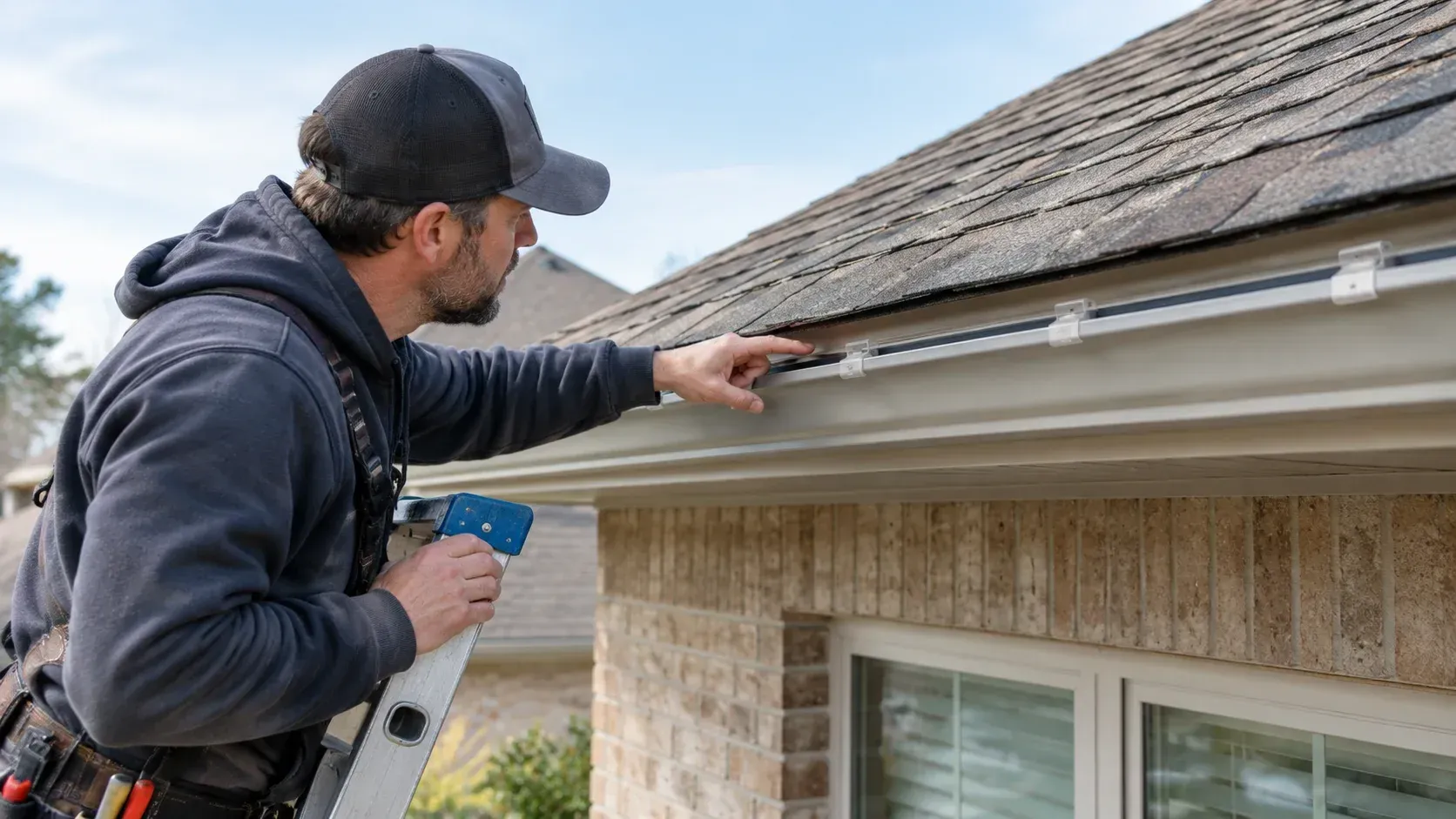
Table of Contents
- Direct Answer: Can Permanent Lighting Void a Shingle Warranty?
- How Shingle Warranties Actually Work
- What Typically Voids a Manufacturer Warranty
- Where Permanent Lighting Actually Attaches
- Workmanship Warranties Versus Manufacturer Warranties
- A Hypothetical Scenario: Two Installations, Two Outcomes
- A Pre-Installation Check Framework
- Common Misunderstandings About Warranties and Lighting
- What Typical Online Advice Overlooks
- Risks, Limitations, and What Varies by Manufacturer
- Conclusion
- Questions About Permanent Lighting and Your Roof in Amarillo, TX
- Frequently Asked Questions
Key Takeaways
- A properly installed permanent lighting system, mounted to gutters, fascia, or trim rather than through the shingles, generally does not affect a shingle manufacturer's warranty.
- Warranty issues usually arise from how the lighting is attached, not from the fact that lighting exists on the roofline.
- Shingle warranties typically cover material defects, while workmanship warranties cover installation. Lighting can interact with either, depending on what gets altered.
- Documentation matters. Keeping records of who installed the lighting, how it was mounted, and whether it penetrated the roofing surface protects you if a claim ever comes up.
- Manufacturer terms vary, so the only way to know for certain is to read your specific warranty document or ask the manufacturer directly.
Introduction
Properly installed permanent holiday lighting generally does not void a roof's shingle warranty, because most systems attach to gutters, fascia boards, or roof edge trim rather than penetrating the shingles themselves. Permanent holiday lighting sits at the edge of the roof, which is exactly the area homeowners and business owners worry about when they think about warranty coverage.
The concern is reasonable. Shingle manufacturers write warranties to cover their product under specific conditions, and anything that alters the roofing surface, including fasteners driven through shingles, can raise a question about what caused a later problem. Whether permanent lighting creates that risk depends almost entirely on how it is mounted and who does the mounting.
This article explains how shingle warranties actually work, what typically causes a warranty dispute, how reputable lighting installations avoid that risk, and what to check before you commit to a system.
Direct Answer: Can Permanent Lighting Void a Shingle Warranty?
Direct Answer: In most cases, no, as long as the lighting system is mounted to the gutter, fascia, or roof edge trim using clips or brackets that do not penetrate the shingles. Warranty risk increases when fasteners are driven through the shingle surface or underlayment.
Shingle manufacturers warrant the material and, in some cases, the labor used to install the roofing itself. They generally do not control, and cannot predict, every accessory a homeowner might later attach to the roofline. What they do reserve the right to exclude is damage caused by something added after installation, particularly anything that breaks the waterproof seal of the roofing system.
The honest answer is that this depends on your specific warranty document and your specific installation. General guidance can describe the common pattern, but only your paperwork can confirm your situation.
How Shingle Warranties Actually Work
Material warranties
A material warranty, offered by the shingle manufacturer, covers defects in the product itself, such as premature granule loss or manufacturing flaws. These warranties are tied to proper original installation and normal use. They typically do not address every possible future modification to the roof, but they can include exclusions for damage caused by unauthorized alterations.
Labor or workmanship warranties
A separate labor warranty, often provided by the installing contractor rather than the manufacturer, covers the quality of the installation work. This is a different document with different terms, and it can be affected differently by later additions to the roof than the material warranty is.
Why the distinction matters for lighting
Permanent lighting interacts with these warranties differently depending on which one is relevant to a given problem. A leak traced to a fastener through a shingle might raise a material warranty question if it damaged the shingle's seal, or a workmanship question if it affected flashing the original roofer installed.
What Typically Voids a Manufacturer Warranty
Common warranty exclusions
Most shingle warranties exclude:
- Damage from unauthorized penetrations, such as fasteners or anchors driven through the shingle surface
- Modifications performed by unlicensed or unqualified installers
- Damage from improper attachment of satellite dishes, solar equipment, or other rooftop additions
- Alterations that are not disclosed or documented
Where lighting fits into this list
Permanent lighting is not inherently on this list, because quality systems are designed specifically to avoid penetrating the shingle. The risk appears only when an installation method ignores that design intent, such as a low-cost retrofit kit screwed directly through shingle tabs rather than clipped to the gutter or trim.
Why documentation protects you
If a shingle issue ever comes up during a warranty claim, having a record of how the lighting was installed, including photos and the installer's description of the mounting method, helps demonstrate that the shingle surface was not altered.
Where Permanent Lighting Actually Attaches
Gutter-mounted systems
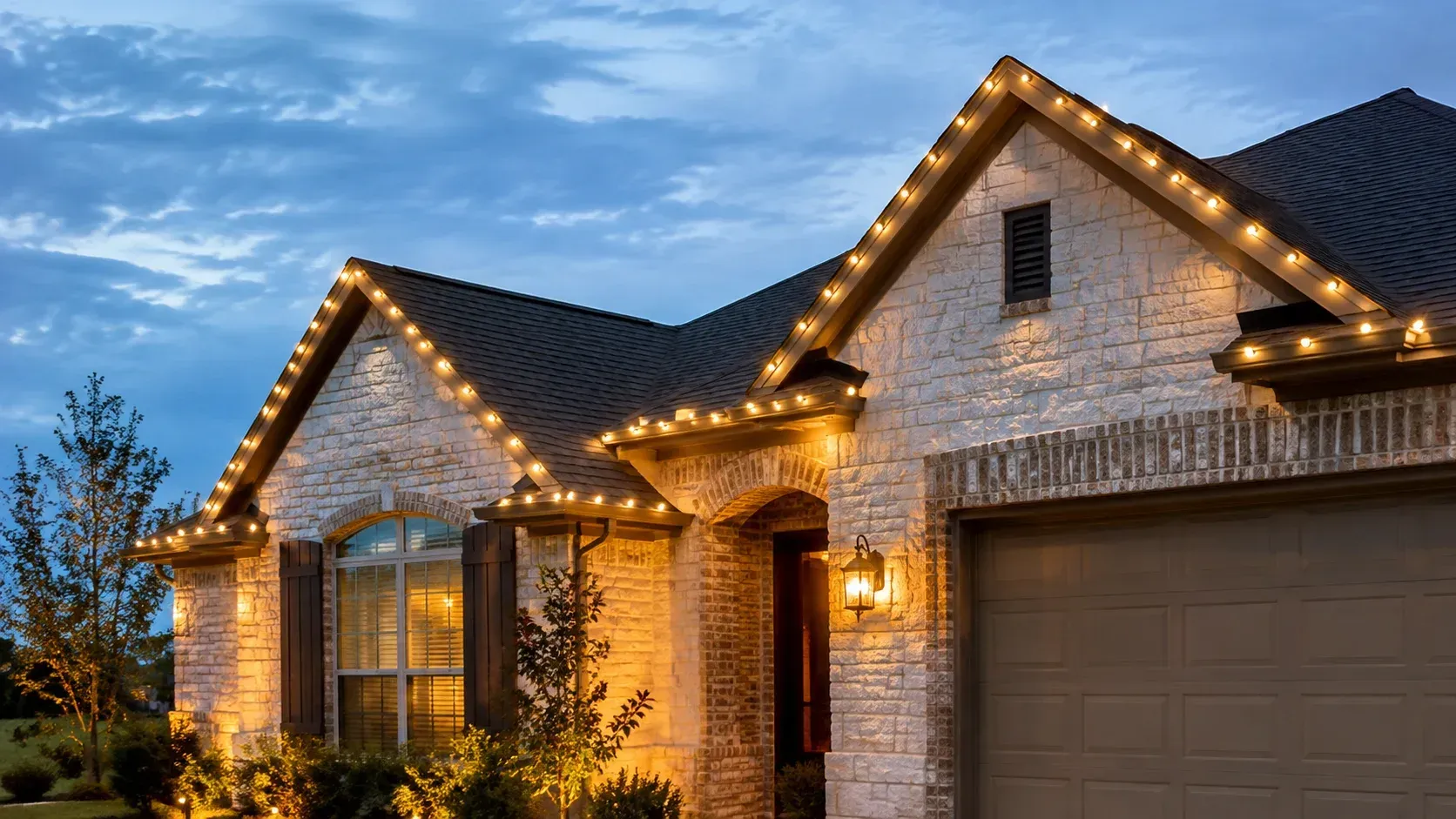
Many permanent lighting systems clip directly to the gutter using brackets designed for that purpose. This keeps all fasteners off the roofing surface entirely, since the gutter is a separate structure.
Fascia and trim-mounted systems
Other systems attach to the fascia board or roof edge trim below the shingles, using screws sized and placed to avoid contact with the roofing material above.
Shingle-mounted systems, and why they are less common among professional installers
Some lower-cost products are marketed for direct attachment to shingles using adhesive clips or small fasteners. Reputable installers generally avoid this method precisely because it introduces warranty and leak risk that gutter or fascia mounting does not. If your home has shingle-mounted clips already in place, a roof inspection can confirm whether any penetrations exist and whether they have been sealed correctly.
Workmanship Warranties Versus Manufacturer Warranties
Who is responsible for each
The manufacturer stands behind the shingle material itself. The roofing contractor who installed the roof stands behind their own labor, often for a separate, shorter period. A lighting installer is a third party to both of these relationships unless the roofing company and the lighting company are the same business.
How lighting work can touch a workmanship warranty
If permanent lighting installation disturbs flashing, drip edge, or other components the original roofer installed and warrantied, that work could fall under a workmanship warranty dispute rather than a material one. This is one reason some homeowners prefer to have the same company handle both the roof and the lighting, so responsibility is not split between parties.
What this means practically
Before installation, it is reasonable to ask who installed your roof, whether that work carries a labor warranty, and whether that warranty says anything about rooftop attachments. Not every contract addresses this directly, which is part of why asking in advance is worthwhile.
A Hypothetical Scenario: Two Installations, Two Outcomes
This is an illustrative example, not a record of an actual property.
Imagine a homeowner near West McCormick Road in Amarillo installs a permanent lighting system using gutter clips. A professional installer measures the gutter, selects compatible brackets, and never touches the shingle surface. Two years later, a shingle issue unrelated to the lighting appears, and the manufacturer reviews the roof. Because no fasteners penetrate the shingles, the lighting is not a factor in the claim.
Now imagine a different homeowner buys a low-cost kit online and self-installs it using small screws driven through the shingle tabs near the eave. A year later, a leak develops at that exact location. When a warranty claim is filed, the manufacturer's inspector notes unauthorized penetrations in the shingle surface, and the claim is denied on that basis, regardless of whether the lighting caused the leak directly.
The difference is not the presence of lighting. It is where and how the fasteners went in.
A Pre-Installation Check Framework
Before installing or approving a permanent lighting system, work through these steps.
- Locate your shingle warranty document. Confirm whether it mentions rooftop attachments, penetrations, or third-party modifications.
- Identify who installed your original roof. Note whether a separate labor warranty exists and what it covers.
- Ask the lighting installer how the system attaches. Gutter-mounted and fascia-mounted systems carry less warranty risk than shingle-mounted ones.
- Request documentation of the installation method. Photos and a written description of the mounting approach are useful records.
- Consider using one company for both roof and lighting work when practical. This can simplify responsibility if a dispute ever arises.
- Keep all records together. Store the shingle warranty, the roof installer's labor warranty, and the lighting installation records in one place.
| Mounting method | Penetrates shingles | Typical warranty risk |
|---|---|---|
| Gutter-mounted clips | No | Low |
| Fascia or trim-mounted track | No, when correctly placed | Low |
| Shingle-mounted clips or fasteners | Yes | Higher, depends on manufacturer terms |
Common Misunderstandings About Warranties and Lighting
Common belief: Any rooftop addition automatically voids a shingle warranty. What is actually true: Warranties generally address unauthorized penetrations and alterations, not the mere presence of an attached accessory. Why the distinction matters: A gutter-mounted lighting system and a system screwed through shingles are treated very differently under most warranty terms.
Common belief: The shingle manufacturer and the roofing contractor offer the same warranty. What is actually true: These are usually separate warranties, one covering material defects and one covering installation labor, often from different parties. Why the distinction matters: A problem traced to lighting work might affect one warranty and not the other, depending on what was disturbed.
Common belief: If the lights still work, nothing on the roof could be wrong. What is actually true: A functioning lighting system says nothing about whether its mounting hardware penetrated or compromised the shingle surface underneath. Why the distinction matters: Warranty-relevant damage is about the roofing material, not the performance of the lighting.
What Typical Online Advice Overlooks
Generic articles about permanent lighting tend to focus on appearance and energy use, and rarely mention warranty mechanics in any detail.
Few articles distinguish between material and labor warranties, treating "the roof warranty" as one single document when it is often two or more separate agreements with different issuers and terms.
Online guidance also tends to skip who performed the original roof installation. A homeowner who does not know this detail cannot easily find out whether a labor warranty even applies, which matters more than most lighting-focused content acknowledges.
Finally, general advice rarely addresses commercial properties separately. Business owners on flat or low-slope roofs often have membrane warranties rather than shingle warranties, with different rules about rooftop attachments and penetrations entirely.
Risks, Limitations, and What Varies by Manufacturer
A few limitations are worth stating directly.
Warranty language varies by manufacturer, by product line, and sometimes by the specific contract signed at installation. This article describes common patterns, not a guarantee of how any specific warranty will be interpreted.
Some manufacturers may still review a claim closely if any rooftop modification exists, even a non-penetrating one, simply because it is part of a thorough investigation process. A low-risk mounting method reduces exposure but does not eliminate every possible question during a claim review.
Warranty disputes can also depend on factors unrelated to the lighting, including how the original roof was installed and maintained. Reading your specific warranty document, or contacting the manufacturer directly with questions, remains the only way to get a definitive answer for your situation.
Conclusion
Permanent holiday lighting, when mounted to gutters, fascia, or roof edge trim rather than through the shingle surface, generally does not put a shingle warranty at risk. The warranty concern that does exist centers on penetrations and unauthorized alterations to the roofing material, not on the presence of lighting itself.
Homeowners and business owners can reduce uncertainty by confirming the mounting method before installation, keeping documentation of the work performed, and reviewing their specific warranty terms rather than relying on general assumptions. That combination gives a clearer picture than guessing after the fact.
Questions About Permanent Lighting and Your Roof in Amarillo, TX
If you are considering permanent lighting for a property in Amarillo and want to understand how it would attach to your specific roof, Elevated Roofing and Construction works with both roofing and permanent lighting installations in the area, and you can
contact us
to ask about your situation. This is general information to support an informed decision, not a review of your specific warranty or a guarantee of coverage.
Frequently Asked Questions
Does permanent holiday lighting void a roof warranty?
Generally not, if the system mounts to gutters, fascia, or trim rather than through the shingles. Warranty risk comes from unauthorized penetrations, not from the presence of lighting itself.
What mounting method is safest for roof warranties?
Gutter-mounted clips and fascia-mounted track that avoid the shingle surface are typically lower risk than fasteners driven through shingle tabs, which some warranties specifically exclude.
Should I use the same company for my roof and my lighting?
It can simplify things if a dispute arises later, since responsibility is not split between separate roofing and lighting contractors, though it is not strictly required.
How do I know what my shingle warranty actually covers?
Review the written warranty document from the manufacturer, or contact the manufacturer directly. Terms vary by product line and cannot be assumed from general guidance.
Does a commercial roof warranty work the same way as a residential one?
Not necessarily. Commercial properties with flat or low-slope roofs often have membrane warranties with different rules about rooftop attachments than residential shingle warranties.
Related Posts