How Do You Know If Your Roof's Underlayment Has Failed Even When the Shingles Still Look Fine?
November 23, 2026
Your roof is one of the most vital components of your home, providing protection against the elements and contributing significantly to your property's curb appeal. However, like any part of your home, roofs don't last forever. Knowing the signs that indicate it's time for a roof replacement can save you from costly repairs or potential damage to your home. At Elevated Roofing and Construction in Amarillo, TX, we are your trusted partners in determining when a roof replacement is necessary. Below, we outline key indicators that it might be time to replace your roof.
1. Age of Your Roof
The longevity of a roof largely depends on the materials used. Asphalt shingle roofs typically last 20-25 years, while metal roofs can last longer. If your roof is nearing the end of its lifespan, it's wise to start considering a replacement. Proactively replacing an aging roof can prevent leaks and structural damage.
2. Frequent Repairs
If you're constantly calling for repairs, it might be more cost-effective to replace the entire roof. Ongoing repairs can add up and still leave you with an unreliable roofing system. Our team can help you weigh the cost of repairs versus a new roof to make the best decision for your home.
3. Visible Shingle Damage
Inspect your roof periodically for signs of wear and tear. Look for shingles that are curled, cracked, or missing altogether. These are signs that your shingles have reached the end of their life cycle and are no longer providing the protection your home needs.
4. Roof Leaks and Water Damage
Water stains on ceilings or walls inside your home are clear indicators of a roof leak. If you've noticed water damage or signs of mold and mildew, it's critical to address the issue immediately to prevent further damage to your home’s interior.
5. Sagging Roof
A sagging roof is a serious issue that indicates structural problems. If you notice any part of your roof sagging, it's crucial to address it immediately to prevent further structural failure. This often requires a full roof replacement to ensure your home’s safety.
6. Granules in Gutters
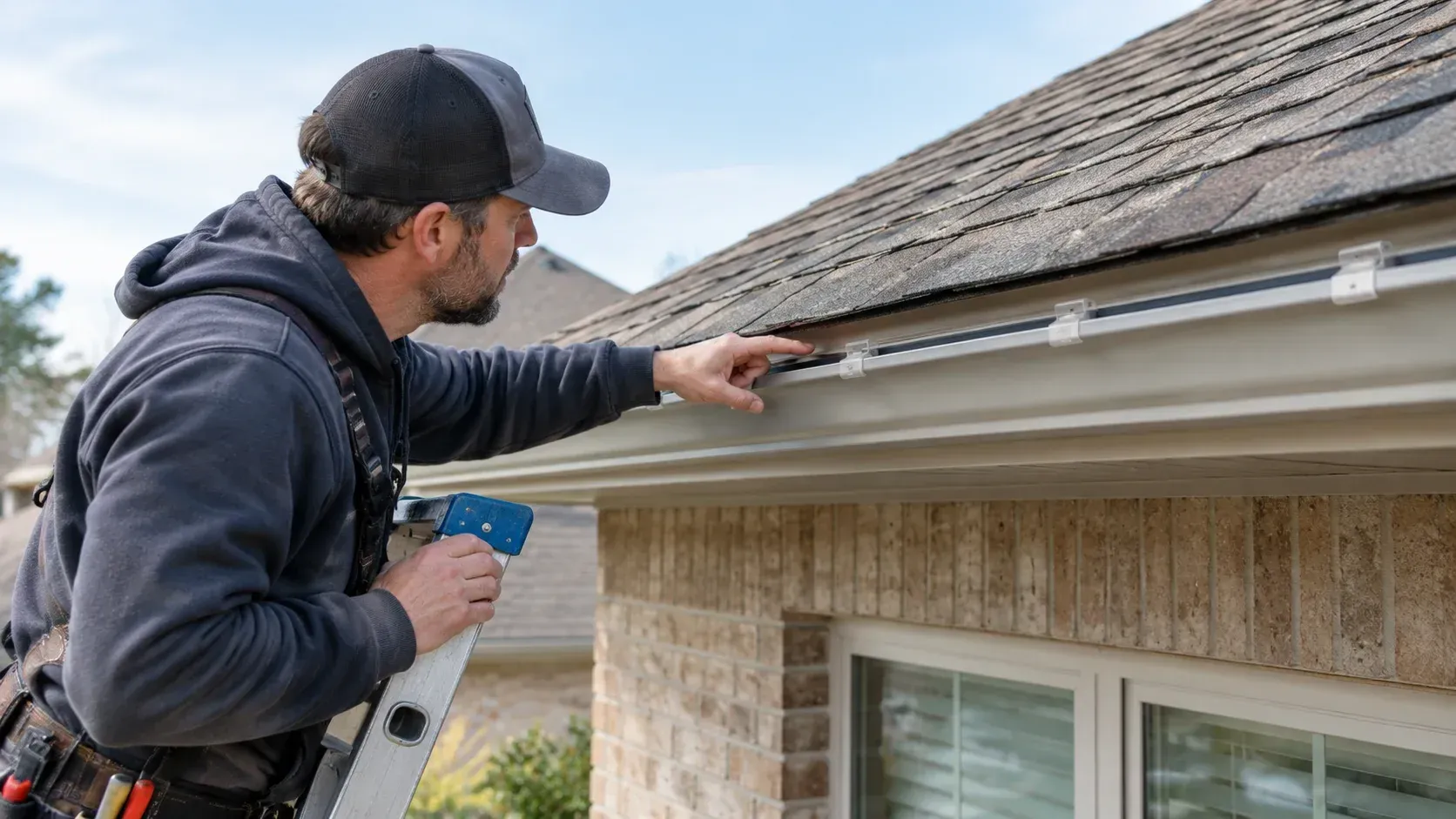
As shingles age, they lose their granules, which often end up in your gutters. If you notice a significant amount of granules in your gutters, it could be a sign that your shingles are deteriorating and need replacing.
7. Increased Energy Bills
A well-insulated roof can help regulate your home's temperature. If you've noticed an unexplained increase in your energy bills, your roof might not be insulating effectively. This can often be mitigated by a new roof with better insulation properties.
8. Moss or Algae Growth
While moss and algae growth can sometimes be cleaned off, persistent growth might be a sign that moisture is being trapped in your roof, which can lead to structural damage. If moss and algae are constantly reappearing despite cleaning, a roof replacement might be necessary.
9. Storm Damage
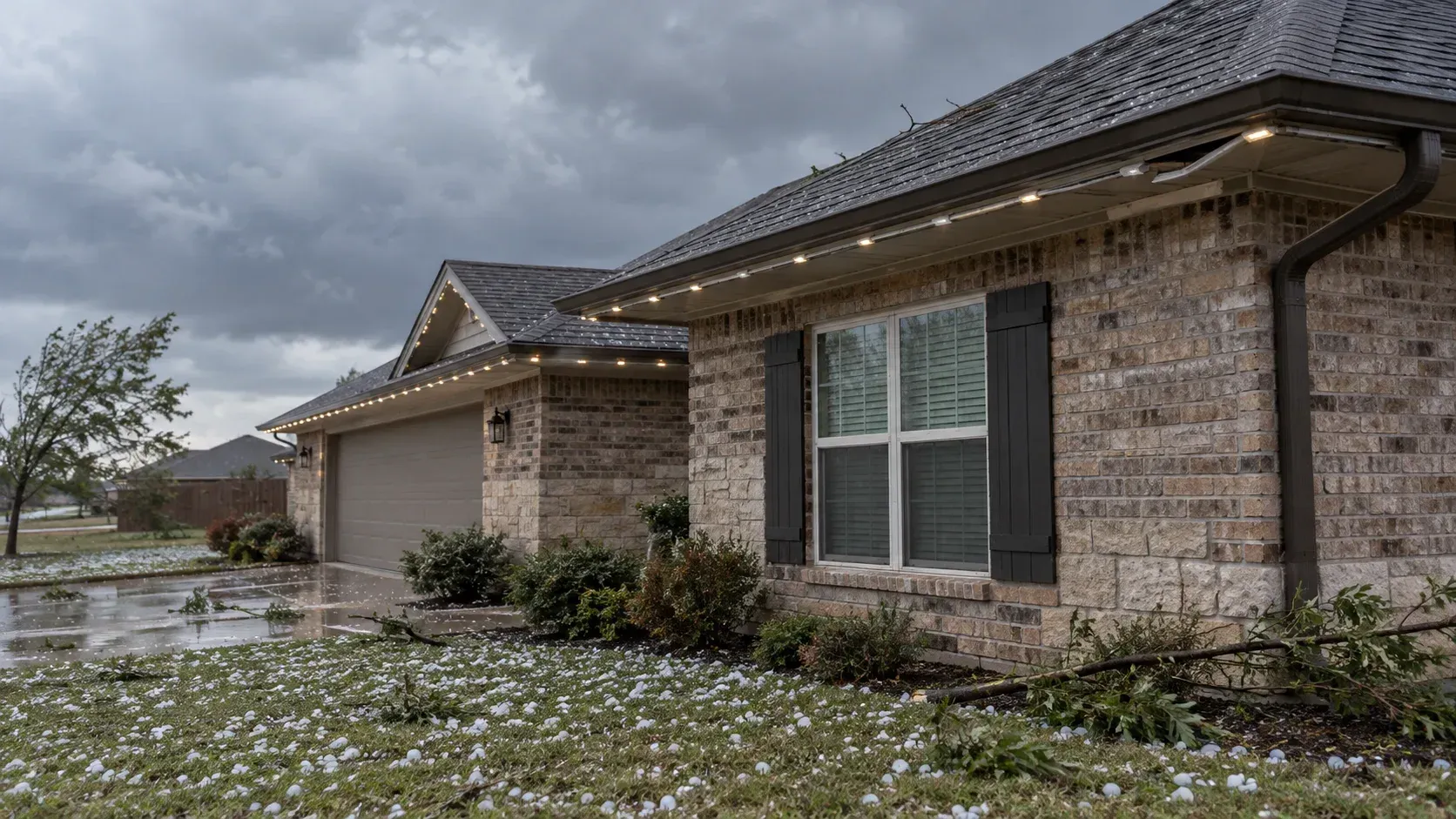
After severe weather events, like hailstorms or high winds, it's essential to inspect your roof. Storm damage can be extensive and often requires professional evaluation. Elevated Roofing and Construction can inspect your roof for damage and recommend whether repairs or a full replacement are needed.
10. Sunlight through Roof Boards
If you can see sunlight shining through your roof boards in the attic, it's a clear indication that your roof has holes or gaps. This type of damage allows in water and pests, necessitating an urgent replacement.
Act Now to Protect Your Home
If you've noticed any of these signs, it's crucial to contact a professional roofing company that can provide a thorough evaluation. Delaying roof replacement can lead to significant structural damage and costly repairs down the line. Elevated Roofing and Construction is here to assist you every step of the way, offering expert assessment and high-quality roof replacement services in Amarillo, TX, and surrounding areas.
Why Choose Elevated Roofing and Construction?
Our experienced team is dedicated to providing superior craftsmanship and exceptional customer service. We use only premium materials and advanced techniques to ensure your new roof stands the test of time. Plus, we work closely with your insurance company to make the process as seamless as possible.
Don't wait until a minor roofing issue becomes a major problem. Contact Elevated Roofing and Construction today to schedule your roof inspection. Visit our website at www.elevatedroofingtx.com or call us at (806) 738-4082. Let us help you protect your home with a reliable and beautiful new roof. Your dream roof is just a call away!
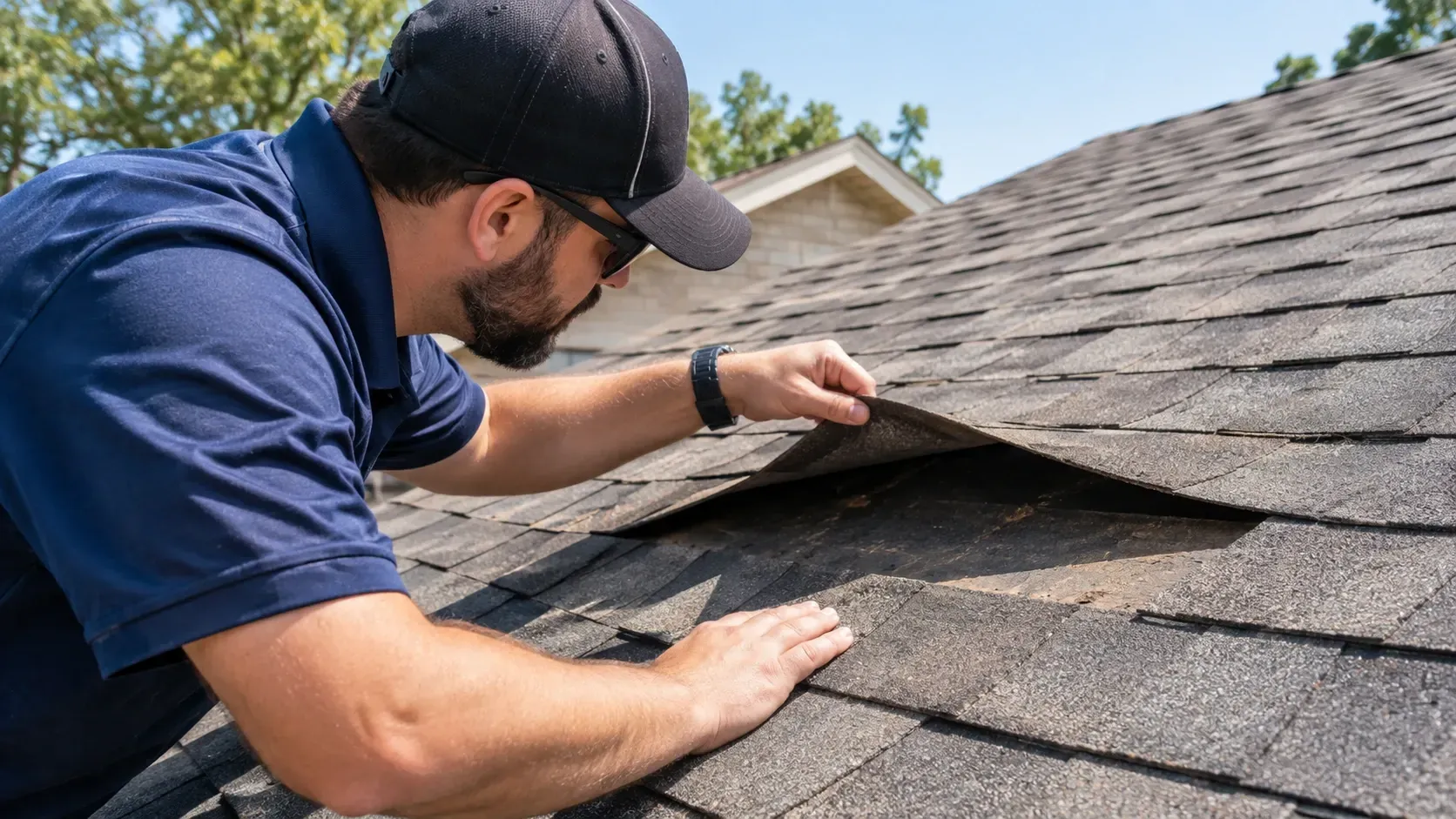
Table of Contents
- Direct Answer: Can Underlayment Fail While Shingles Look Fine?
- What Roof Underlayment Actually Does
- Why Underlayment Can Fail Before Shingles Show Damage
- Signs of Failed Roof Underlayment to Watch For
- Why This Matters More in Amarillo's Climate
- Underlayment Type and Why It Affects Failure Risk
- A Hypothetical Scenario: Two Roofs, Same Age, Different Outcomes
- A Homeowner Check Framework
- Common Misunderstandings About Underlayment and Leaks
- What Typical Online Advice Overlooks
- Risks, Limitations, and What Varies by Roof
- Conclusion
- Questions About Underlayment and Roof Health in Amarillo, TX
- Frequently Asked Questions
Key Takeaways
- Underlayment can deteriorate or fail from age, heat exposure, or installation issues well before the shingles above it show any visible damage.
- Interior signs, such as ceiling stains, musty smells, and attic moisture, are often the first real evidence of underlayment failure, since the shingles can mask the problem from the outside.
- Amarillo's intense summer heat and sharp temperature swings accelerate underlayment aging more than they affect the shingles sitting on top of it.
- The type of underlayment installed, felt versus synthetic, affects how long it typically lasts and how it tends to fail.
- A combined roof and attic inspection is more reliable than judging underlayment condition from curb appeal alone, since the problem usually starts out of sight.
Introduction
Yes, roof underlayment can fail while the shingles above it still look completely fine, because the underlayment sits hidden beneath the visible roofing surface and often deteriorates from age, heat, or moisture long before that damage reaches the shingles themselves. A roof inspection that includes the attic, not just the exterior, is usually what catches this kind of hidden failure.
This matters because most homeowners and business owners judge roof health by what they can see from the ground or a ladder. Shingles are the visible layer, so people naturally assume that intact shingles mean an intact roofing system. Underlayment works as a secondary water barrier underneath the shingles, and when it degrades quietly, the first real evidence often shows up inside the building rather than on the roof.
This article explains what underlayment does, why it can fail before shingles show any sign of trouble, the specific signs to watch for, and how Amarillo's climate affects the timeline.
Direct Answer: Can Underlayment Fail While Shingles Look Fine?
Direct Answer: Yes. Underlayment is a separate material layer beneath the shingles, and it can degrade from age, heat exposure, or poor installation independently of how the shingles above it are holding up visually.
Shingles are designed to shed the bulk of rain and sun exposure, which is part of why they can still look presentable even after the layer underneath has started breaking down. Underlayment was never meant to be the primary weather barrier under normal conditions, so its failure does not always produce an immediate, visible shingle problem.
The honest caveat is that underlayment failure eventually does cause visible symptoms, just not necessarily on the shingles themselves. Interior signs and attic conditions are often the earlier and more reliable indicators.
What Roof Underlayment Actually Does
A secondary water barrier
Underlayment is installed directly on the roof deck, beneath the shingles, and acts as a backup barrier against water that gets past the shingle layer, whether from wind-driven rain, ice, or minor shingle damage.
Protection during construction and installation
Underlayment also protects the roof deck during the roofing process itself, before shingles are installed.
Support for shingle performance
Some underlayment products also help shingles lie flatter on older or slightly uneven decking, a secondary function beyond moisture protection.
Why Underlayment Can Fail Before Shingles Show Damage
Heat and UV exposure over time
Underlayment experiences sustained heat from both the sun above and the attic below. Prolonged heat exposure can dry out, crack, or embrittle certain underlayment materials well before the shingles on the same roof show comparable aging.
Age and material breakdown
Underlayment has its own expected service life, which can be shorter than the shingles installed over it, particularly with older felt products. A roof can be within its shingle warranty period while the underlayment underneath has already begun to deteriorate.
Installation quality
Underlayment that was installed with improper overlap, inadequate fastening, or damage during the shingle installation process can fail locally, in specific areas, long before a general pattern becomes visible anywhere else on the roof.
Repeated minor water intrusion
Small amounts of water reaching the underlayment repeatedly, even without a major shingle failure, can degrade it gradually in that location, creating a weak point that does not correspond to any visible shingle issue.
Signs of Failed Roof Underlayment to Watch For
H3a: Ceiling stains or discoloration
Brown or yellow stains on an interior ceiling, especially ones that appear without an obvious recent storm, can point to water that worked past the shingles and through compromised underlayment.
H3a: A persistent musty smell in the attic
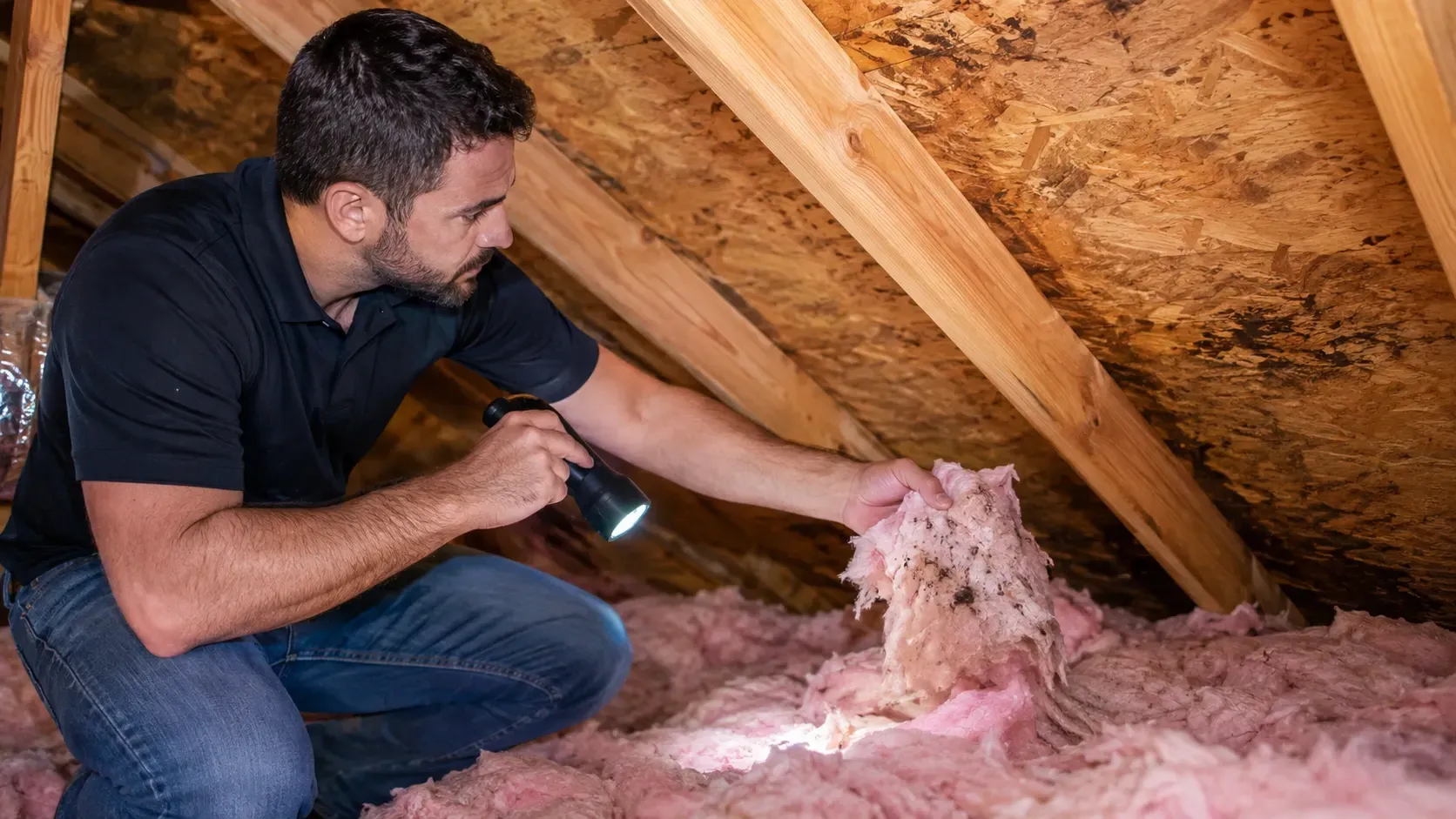
A musty or damp odor in the attic space, even without visible water, often indicates trapped moisture that underlayment should otherwise be managing.
H3a: Visible moisture or mold on the underside of the roof deck
Dark spots, mold growth, or dampness on the wood decking visible from inside the attic suggest water has been reaching that surface over time.
H3a: Sagging or soft spots in the roof deck
Decking that feels spongy underfoot during an inspection, or that sags slightly between rafters, can indicate prolonged moisture exposure linked to underlayment failure.
H3a: Nail pops or fastener issues visible from the attic
Underlayment that has shifted, torn, or deteriorated around fasteners can sometimes be seen from the attic side as irregularities around nail penetrations, even when the shingle surface above looks undisturbed.
Why This Matters More in Amarillo's Climate
Amarillo experiences intense summer heat, strong year-round sun exposure, and sharp temperature drops in winter, often within the same week. Roof surfaces here regularly reach temperatures well above the surrounding air during summer afternoons, and that heat transfers through the shingles to the underlayment beneath.
This combination accelerates the kind of gradual underlayment aging described above more than it accelerates visible shingle wear. A shingle's outer surface is designed with granules and coatings to resist UV directly, while standard underlayment was historically designed with less emphasis on prolonged standalone heat exposure, since it is not meant to be the primary weather-facing layer. In a high-heat, high-sun climate like the Panhandle, this difference in design intent can create a noticeable gap between how the shingles look and how the underlayment is actually holding up.
Underlayment Type and Why It Affects Failure Risk
Traditional felt underlayment
Felt, sometimes called tar paper, has been used for decades and performs adequately in many conditions, but it can be more prone to drying out, tearing, and losing effectiveness with age, particularly under sustained heat.
Synthetic underlayment
Synthetic underlayment products are generally more resistant to UV exposure, tearing, and moisture absorption than traditional felt, and many are rated for longer exposure periods during construction and longer general service life.
Why knowing your underlayment type matters
Two roofs of the same age with the same shingles can have meaningfully different underlayment conditions depending on which material was installed underneath. This is not always documented clearly, which is one reason a professional familiar with your roof's history is useful when evaluating hidden wear.
A Hypothetical Scenario: Two Roofs, Same Age, Different Outcomes
This is an illustrative example, not a record of an actual property.
Imagine two homes in Amarillo, both with twelve-year-old asphalt shingle roofs installed by different contractors in the same year. The first home had synthetic underlayment installed with proper overlap and fastening. The shingles show normal wear for their age, and the attic remains dry with no musty odor.
The second home had older-style felt underlayment installed with inconsistent overlap in several areas. The shingles on this roof also show normal wear for their age, visually similar to the first home, but the attic has developed a persistent musty smell, and a ceiling stain appeared in an upstairs bedroom the previous winter.
Both roofs look comparable from the street. The difference, discovered only through an attic inspection, was in the underlayment installed twelve years earlier, not in anything visible on the shingle surface today.
A Homeowner Check Framework
A practical way to evaluate whether hidden underlayment issues may be present:
- Check the attic for odor and visible moisture. A musty smell or damp decking are among the more reliable early indicators.
- Look at ceilings and upper walls for staining. Discoloration without an obvious recent cause is worth investigating.
- Note the roof's age and underlayment type, if known. Older felt underlayment generally carries more risk than newer synthetic products.
- Consider the roof's history. A roof that sat exposed to weather for an extended period before shingles were installed may have underlayment that aged prematurely.
- Schedule a combined attic and roof assessment. A roofing contractor who checks both the attic side and the roofing surface can catch signs that are easy to miss from either vantage point alone.
- Address any confirmed issues promptly. If underlayment failure is suspected, understanding your roof repair or replacement options sooner can limit how far moisture-related damage spreads.
Common Misunderstandings About Underlayment and Leaks
Common belief: If shingles are not damaged, the roof cannot be leaking. What is actually true: Underlayment can fail independently of shingle condition, and water can reach the underlayment through small gaps, aging seams, or minor shingle imperfections that are not obvious from the ground. Why the distinction matters: Relying only on shingle appearance can delay catching a real underlayment problem.
Common belief: All underlayment lasts as long as the shingles installed over it. What is actually true: Underlayment materials have their own service life, which can be shorter than the shingles above, particularly for older felt products exposed to sustained heat. Why the distinction matters: A roof within its shingle warranty period is not automatically free of underlayment concerns.
Common belief: A musty attic smell is just a humidity issue, unrelated to the roof. What is actually true: Persistent attic moisture and odor are frequently connected to water reaching the roof deck through compromised underlayment, rather than being a separate, unrelated condition. Why the distinction matters: Treating the smell alone without investigating the roof can leave the underlying cause unaddressed.
What Typical Online Advice Overlooks
Most general roofing content focuses almost entirely on shingle condition, treating underlayment as an installation detail rather than an ongoing variable worth monitoring.
Few articles explain that underlayment type affects the realistic lifespan expectation, with felt and synthetic products aging differently under the same conditions, information that matters when deciding how closely to monitor an older roof.
Generic guidance also rarely addresses climate-specific heat exposure, treating underlayment aging as roughly uniform across regions, when a high-heat, high-sun climate like Amarillo's places more demand on underlayment than a milder climate would.
Finally, online advice aimed at homeowners rarely distinguishes residential versus commercial underlayment systems, where low-slope commercial roofs often use different underlayment or membrane systems entirely, with different failure patterns than a sloped residential shingle roof.
Risks, Limitations, and What Varies by Roof
A few limitations are worth stating directly.
Underlayment condition is difficult to assess without accessing the attic or, in some cases, removing a portion of the shingles, so some uncertainty is normal until a closer inspection occurs. This article describes common patterns, not a diagnosis of any specific roof.
Roof design, attic ventilation, decking material, and original installation quality all influence how underlayment ages, so two roofs of the same age and material can age at meaningfully different rates. A general timeline cannot replace an assessment of your specific roof's history and condition.
Interior signs such as ceiling stains can also stem from causes unrelated to underlayment, including plumbing issues or condensation from HVAC equipment, so confirming the roof as the source typically requires a direct inspection rather than assumption.
Conclusion
Roof underlayment can deteriorate and fail well before the shingles above it show any visible sign of trouble, since the two materials age under different conditions and serve different roles in the roofing system. Interior signs such as ceiling stains, musty attic odors, and visible moisture on the roof deck are often more reliable early indicators than shingle appearance alone.
Amarillo's intense heat and sharp temperature swings make this gap between shingle appearance and underlayment condition more likely to develop here than in milder climates. Checking the attic periodically, rather than relying solely on a glance at the roof from the ground, gives homeowners and business owners a more complete picture of what is actually happening beneath the shingles.
Questions About Underlayment and Roof Health in Amarillo, TX
If you are noticing attic odors, ceiling stains, or other signs that your roof's underlayment may have failed in Amarillo, Elevated Roofing and Construction can check both the attic conditions and the roofing surface together, and you can
contact us
to ask about what you are seeing. This is general information to support an informed decision, not a diagnosis of your specific roof.
Frequently Asked Questions
Can roof underlayment fail while the shingles still look fine?
Yes. Underlayment is a separate material beneath the shingles and can degrade from age, heat, or installation issues independently, often before any damage becomes visible on the shingle surface itself.
What are the main signs of failed roof underlayment?
Ceiling stains, a musty attic smell, visible moisture or mold on the roof deck, soft or sagging decking, and irregularities around fasteners visible from the attic are common early indicators.
Why does Amarillo's climate affect underlayment more than shingles?
Intense summer heat and sharp temperature swings place sustained stress on underlayment, which was not originally designed to be the primary weather-facing layer, more than they affect the UV-resistant shingle surface above it.
Does the type of underlayment matter for how long it lasts?
Yes. Traditional felt underlayment can be more prone to drying out and losing effectiveness with age than synthetic underlayment, which is generally more resistant to UV exposure and tearing.
Should I check my attic even if my roof looks fine from outside?
Yes, periodically. Attic odor, moisture, and ceiling stains are often the first real indicators of underlayment problems, since shingle appearance alone does not reliably reflect what is happening beneath the surface.
Related Posts