How to Winterize Your Roof: Essential Steps for Amarillo Homeowners This Fall
May 6, 2023

Table of Contents
- Introduction
- Why Roof Winterization Matters in Amarillo
- Start With a Fall Roof Inspection
- Clean and Check Gutters Before the First Freeze
- Inspect Shingles, Flashing, and Roof Penetrations
- Check Attic Insulation and Ventilation
- Protect Your Roof From Winter Moisture
- Prepare for Holiday Lighting Without Damaging the Roof
- What Amarillo Homeowners Often Get Wrong
- What to Fix Now vs. What Can Wait
- A Practical Pre-Winter Roof Checklist
- Conclusion
- Frequently Asked Questions
Key Takeaways
- Fall is the right time to prepare an Amarillo roof because repairs are easier to address before freezing temperatures, strong winds, and winter precipitation arrive.
- A winter-ready roof needs more than a shingle check. Gutters, flashing, roof penetrations, attic ventilation, insulation, and drainage all play a role.
- Amarillo homeowners should pay particular attention to wind damage, hail damage, freeze-thaw conditions, and moisture intrusion rather than preparing for snow alone.
- One of the most valuable steps is a professional inspection before winter, especially if the roof has already experienced severe weather or is several years old.
- Avoid quick fixes such as applying sealant over an unresolved leak or attaching holiday decorations directly to roofing materials.
Introduction
The best way to winterize a roof in Amarillo is to identify and repair vulnerable areas before the first serious cold front, while also making sure gutters, flashing, ventilation, and drainage are ready for changing weather. Amarillo homeowners deal with a different winter roofing environment than homeowners farther north: prolonged heavy snow is not normally the primary concern, but sudden freezes, high winds, rain, ice, and rapid temperature changes can expose weaknesses that were easy to overlook during the warmer months.
For homeowners who want a professional assessment before winter, a thorough residential roofing inspection and maintenance approach can identify problems before they become emergency repairs.
The important distinction is that winter preparation isn't about making a roof "winter-proof." It's about eliminating the small weaknesses that can become much bigger problems when the weather turns.
Why Roof Winterization Matters in Amarillo
Amarillo's location in the Texas Panhandle means homeowners can experience significant weather swings. A roof may face strong winds, hail, intense sun, rain, freezing temperatures, and occasional snow over the course of a year.
That makes fall maintenance especially useful.
A loose shingle that seems harmless in October may become a missing shingle after a winter wind event. A small gap around flashing may not produce an obvious leak until rain or melting ice finds its way underneath the roofing system.
The goal of winterization is therefore simple:
Find vulnerabilities while the weather is still manageable and correct them before winter gives those problems an opportunity to grow.
The same principle applies to year-round maintenance. Elevated Roofing and Construction's published maintenance guidance recommends regular inspections, prompt repairs, clean roof surfaces, and attention to insulation and ventilation rather than waiting until a visible failure occurs.
Start With a Fall Roof Inspection
A roof inspection should be the first step because it tells you what actually needs attention.
Instead of automatically replacing materials or assuming the roof is fine because there is no ceiling stain, have the roof evaluated for visible and less obvious problems.
A professional inspection can examine:
- Shingles or other roofing materials
- Flashing around vulnerable areas
- Roof valleys
- Gutters and drainage components
- Skylights and roof penetrations
- Signs of wind or hail damage
- Attic ventilation
- Insulation
- Evidence of moisture intrusion
Elevated Roofing and Construction's current inspection process includes both exterior and interior/attic evaluation, along with moisture detection and a written report identifying recommended repairs.
Why timing matters
Don't wait for the first freeze to discover a problem.
If an inspection identifies damaged flashing or missing shingles in early fall, there is still time to schedule repairs under more favorable working conditions.
For homeowners who want to understand how often an inspection makes sense, factors such as roof age, severe weather, and the condition of the roofing system should all influence the schedule.
Clean and Check Gutters Before the First Freeze
Gutters are part of your roof's drainage system, so winter preparation should never stop at the shingles.
Remove:
- Leaves
- Twigs
- Dirt
- Roofing granules
- Other accumulated debris
Then check whether water can move freely through the gutters and downspouts.
Don't just clean the top
A common mistake is cleaning visible debris from the gutter but never checking the downspout.
A blocked downspout can leave water trapped in the system, preventing runoff from leaving the roof properly. During freezing weather, trapped water creates another potential problem: ice buildup and added weight.
Check that:
- Gutters are securely attached.
- Downspouts are unobstructed.
- Water exits away from the foundation.
- There are no obvious cracks or separated joints.
- Sections aren't sagging.
This is one of those maintenance tasks that seems minor until poor drainage contributes to a much larger moisture problem.
Inspect Shingles, Flashing, and Roof Penetrations
Before winter, look for roofing components that have been compromised by Amarillo's wind, hail, and summer weather.
Look for damaged or missing shingles
Pay attention to:
- Missing shingles
- Curling or cracked shingles
- Loose shingles
- Excessive granule loss
- Damaged ridge areas
- Exposed underlayment
You don't necessarily need a roof replacement because you find one damaged shingle. The important question is why it was damaged and whether the surrounding roofing system has additional problems.
Don't overlook flashing
Flashing protects some of the roof's most vulnerable transitions, including areas around chimneys, vents, walls, and other penetrations.
Damaged or deteriorated flashing can allow water underneath roofing materials even when the majority of the roof looks perfectly intact.
Check skylights and other penetrations
Skylights, plumbing vents, chimneys, and other roof penetrations deserve special attention because they interrupt the otherwise continuous roofing surface.
If you're already seeing signs of moisture around one of these areas, don't simply cover the visible gap with a layer of caulk and assume the problem is solved. The source of the water needs to be identified first.
Check Attic Insulation and Ventilation
Winter roof preparation isn't only an exterior job.
Your attic environment can influence how your roof handles temperature and moisture.
Look for:
- Uneven or insufficient insulation
- Blocked vents
- Condensation
- Damp insulation
- Musty odors
- Signs of mold
- Frost or moisture accumulation
Proper ventilation helps manage heat and moisture, while adequate insulation helps maintain more consistent temperatures inside the home.
This is particularly important because a homeowner may mistake an attic moisture problem for a roofing leak.
If you notice moisture but can't determine where it's coming from, professional evaluation can help distinguish between water entering through the roof and moisture generated inside the building envelope.
Protect Your Roof From Winter Moisture
Amarillo homeowners shouldn't think about winter preparation exclusively in terms of snow.
Rain followed by freezing temperatures can create its own challenges.
Pay attention to drainage
Water should have a clear path from the roof into the gutters and safely away from the structure.
Watch vulnerable areas
Areas around:
- Valleys
- Chimneys
- Skylights
- Vents
- Flashing
- Roof-to-wall transitions
deserve additional attention because they're common locations for water intrusion.
Don't ignore a small leak
A small interior stain doesn't necessarily mean the damage is small.
Water can travel along roofing components, decking, insulation, and framing before appearing on the ceiling. That's why simply painting over a stain isn't a roofing repair.
If you discover a leak, identify the source and address it rather than treating only the visible symptom.
What Amarillo Homeowners Often Get Wrong
Generic winterization advice frequently focuses heavily on snow and ice dams. For Amarillo homeowners, that can miss the bigger picture.
Mistake #1: Preparing only for snow
The Texas Panhandle's winter roofing risks aren't limited to snow accumulation. Wind, rain, freezing temperatures, and rapid weather changes deserve equal attention.
Mistake #2: Assuming no ceiling stain means no roof problem
Roof damage can exist before water reaches the interior.
Waiting for a ceiling stain turns an inspection problem into a potential repair problem.
Mistake #3: Sealing everything with caulk
Caulk can have a legitimate role in roofing, but it shouldn't be used as a universal solution.
If flashing is damaged, a penetration is improperly installed, or water is entering somewhere else, adding more sealant may only conceal the underlying issue temporarily.
Mistake #4: Climbing onto the roof to inspect it yourself
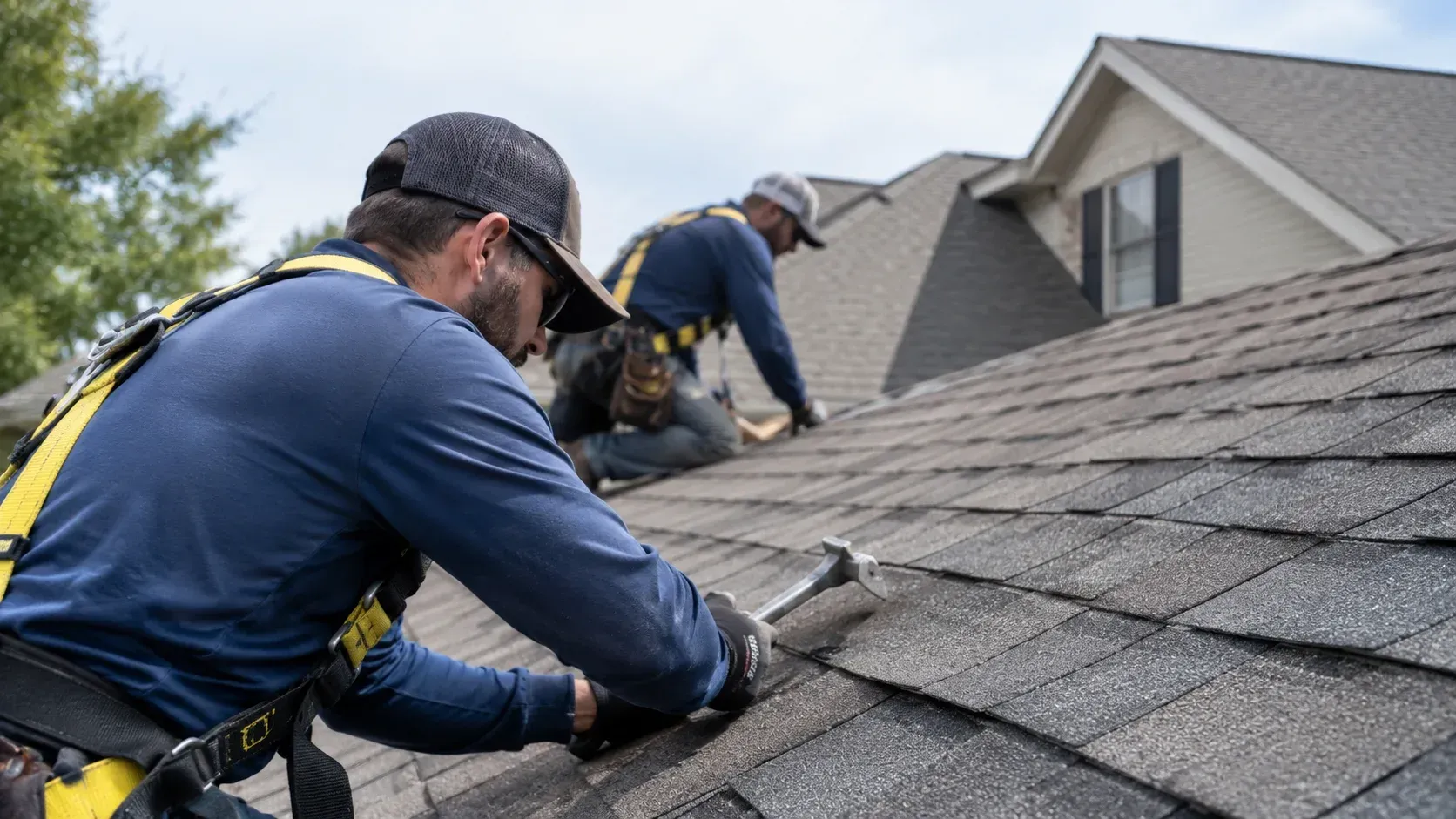
A homeowner can perform a visual inspection from the ground, but walking on a roof introduces unnecessary fall risk and can potentially damage roofing materials.
Professional roof inspections are designed to identify issues without asking homeowners to take that risk. Elevated Roofing and Construction specifically recommends professional assessment because trained inspectors can identify problems that aren't obvious from the ground.
Prepare for Holiday Lighting Without Damaging the Roof
Fall roof preparation often overlaps with holiday decorating.
This is where homeowners should be especially careful.
Avoid:
- Driving nails through shingles
- Stapling wires directly into roofing materials
- Creating unnecessary holes in flashing
- Walking across fragile roofing areas
- Using temporary attachments that can loosen during strong winds
A safer approach is to plan the lighting installation around the structure rather than treating the roof as a convenient attachment surface.
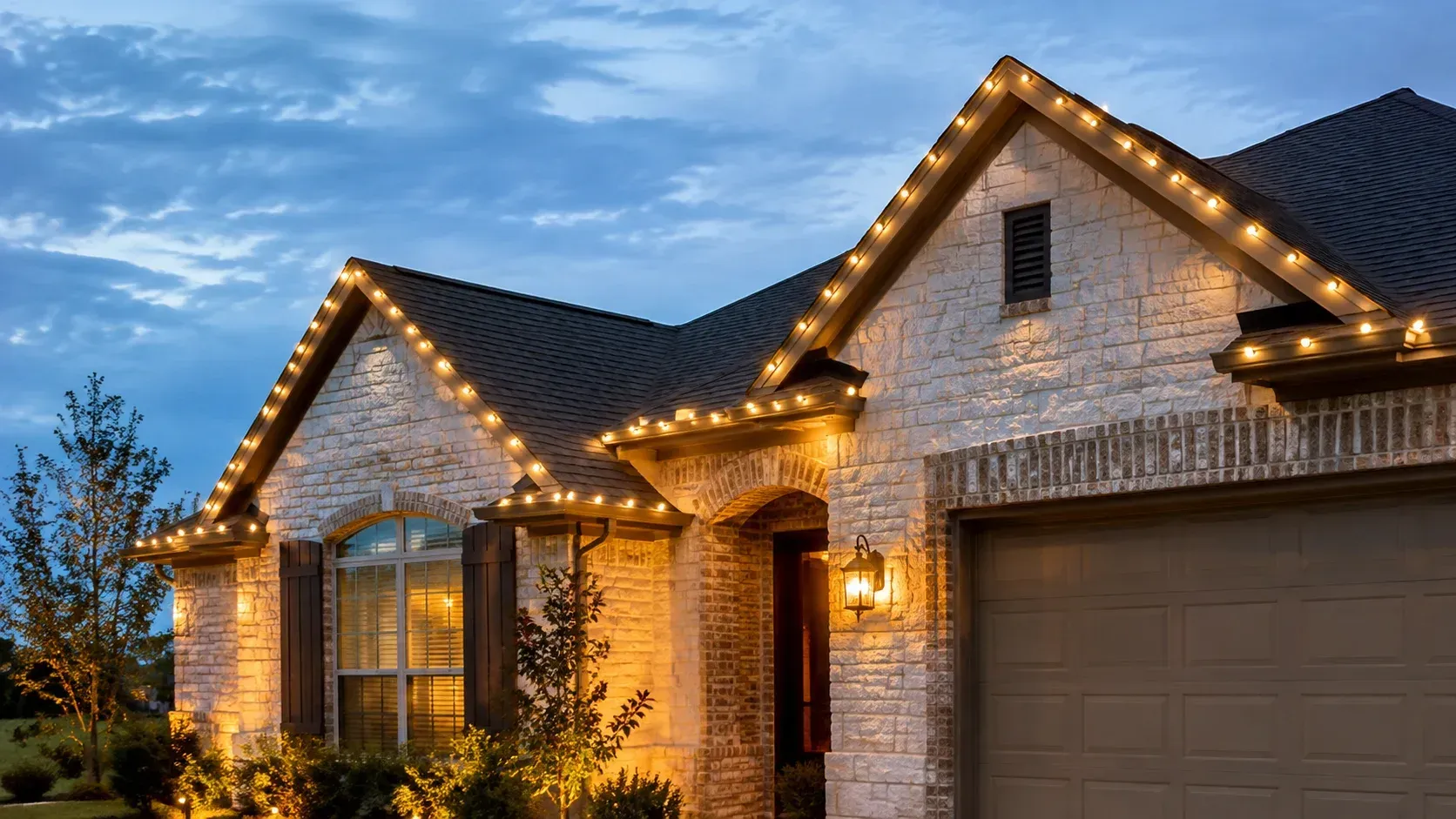
Elevated Roofing and Construction has also published guidance specifically addressing how holiday lighting installations can create shingle damage, leaks, and safety concerns in the Texas Panhandle.
For homeowners interested in avoiding annual ladder work altogether, the company's blog also discusses permanent LED holiday lighting as an alternative.
What Actually Makes Winter Roof Preparation Work?
The most effective approach is not complicated: inspect first, prioritize actual vulnerabilities, and repair problems before weather makes access and repairs more difficult.
A useful order of operations is:
- Inspect the roof.
- Clean the gutters and downspouts.
- Check shingles and flashing.
- Examine roof penetrations.
- Evaluate attic ventilation and insulation.
- Correct active leaks.
- Address storm damage.
- Secure holiday decorations without damaging roofing materials.
- Recheck the property after significant winter storms.
This approach is better than treating every roof as though it needs the same checklist.
A newer roof with no visible damage may need routine maintenance. An older roof with previous hail or wind exposure may require much closer evaluation.
What to Fix Now vs. What Can Wait
Not every roofing issue requires the same level of urgency.
Fix before winter
Prioritize issues such as:
- Active leaks
- Missing shingles
- Damaged flashing
- Exposed roofing materials
- Significant storm damage
- Blocked drainage
- Obvious moisture intrusion
- Loose components that could become wind damage
Monitor with professional guidance
Some cosmetic deterioration or aging may not require immediate replacement.
The important thing is to understand whether deterioration is merely cosmetic or evidence that the roofing system is approaching failure.
This is where a professional inspection can prevent two opposite mistakes:
- Waiting too long and allowing a repairable problem to become expensive, or
- replacing too early when targeted repairs and maintenance may be appropriate.
For homeowners trying to distinguish between maintenance and larger roofing decisions, identifying common roofing problems in Amarillo homes can provide additional context.
A Practical Pre-Winter Roof Checklist
Before the first major cold front, make sure you've addressed the following:
Roof
- Schedule a professional inspection.
- Look for missing, cracked, or loose shingles.
- Check visible flashing for damage.
- Inspect valleys and roof edges.
- Check skylights, vents, and other penetrations.
- Address active leaks.
Gutters
- Remove leaves and debris.
- Clear downspouts.
- Check for sagging or loose sections.
- Make sure discharge points move water away from the foundation.
Attic
- Check insulation.
- Confirm ventilation paths are clear.
- Look for condensation or moisture.
- Watch for mold or musty odors.
Winter and Holiday Preparation
- Secure outdoor decorations appropriately.
- Avoid putting fasteners through roofing materials.
- Check the roof again after major storms.
- Keep records and photographs of significant damage.
Conclusion: Get Your Amarillo Roof Ready Before Winter Arrives
Winterizing your Amarillo roof is primarily about preventing small roofing and drainage problems from becoming major issues when wind, rain, freezing temperatures, and sudden weather changes arrive.
The most valuable preparation happens before there is an emergency: inspect the roof, clear the drainage system, address damaged roofing materials, check attic conditions, and correct vulnerable areas while repairs can still be handled proactively.
For a broader seasonal maintenance strategy, Mastering Seasonal Roofing Challenges: Essential Maintenance Tips for Texas Homeowners also covers how Texas homeowners can prepare their roofs for changing weather throughout the year.
A winter-ready roof isn't necessarily the newest roof. It's a roof whose condition is understood, whose known vulnerabilities have been addressed, and whose drainage and ventilation systems are functioning properly.
Amarillo Roof Inspection and Winter Preparation
If your roof has experienced Amarillo wind, hail, leaks, or years of seasonal wear, don't wait for the first winter storm to find out whether it is ready. Elevated Roofing and Construction provides roof inspections, repairs, replacements, and other residential roofing solutions throughout Amarillo and the surrounding Texas Panhandle communities.
When you're ready to have your roof evaluated before winter, schedule a roof inspection with Elevated Roofing and Construction so you can address potential problems before they turn into cold-weather emergencies.
Frequently Asked Questions
When should I winterize my roof in Amarillo?
Fall is generally the best time to prepare your roof for winter, preferably before the first significant cold front. This gives you time to identify and address damaged shingles, flashing problems, drainage issues, and other vulnerabilities.
Does an Amarillo roof really need winter preparation if we don't get much snow?
Yes. Winter preparation isn't only about snow. Amarillo roofs can still face strong winds, rain, freezing temperatures, ice, and rapid temperature changes. Preparing for these conditions can help prevent moisture intrusion and weather-related damage.
Should I inspect my roof myself before winter?
You can look for obvious problems from the ground, but avoid climbing onto the roof. A professional inspection can evaluate roofing materials, flashing, gutters, attic conditions, ventilation, insulation, and potential moisture problems more thoroughly.
Can clogged gutters cause winter roof problems?
Yes. Blocked gutters and downspouts can interfere with drainage, allowing water to accumulate where it shouldn't. Clearing the system before freezing weather helps maintain proper water flow away from the roof and foundation.
What should I do if I discover roof damage before winter?
Don't ignore it or cover the problem with a temporary sealant without determining the cause. Photograph visible damage, avoid unsafe roof access, and arrange a professional evaluation. If the issue is related to wind or hail, proper documentation can also be useful when discussing the damage with your insurance company.
Related Posts