Spring Roof Check: Key Inspection Tips for Amarillo Homeowners
September 16, 2023
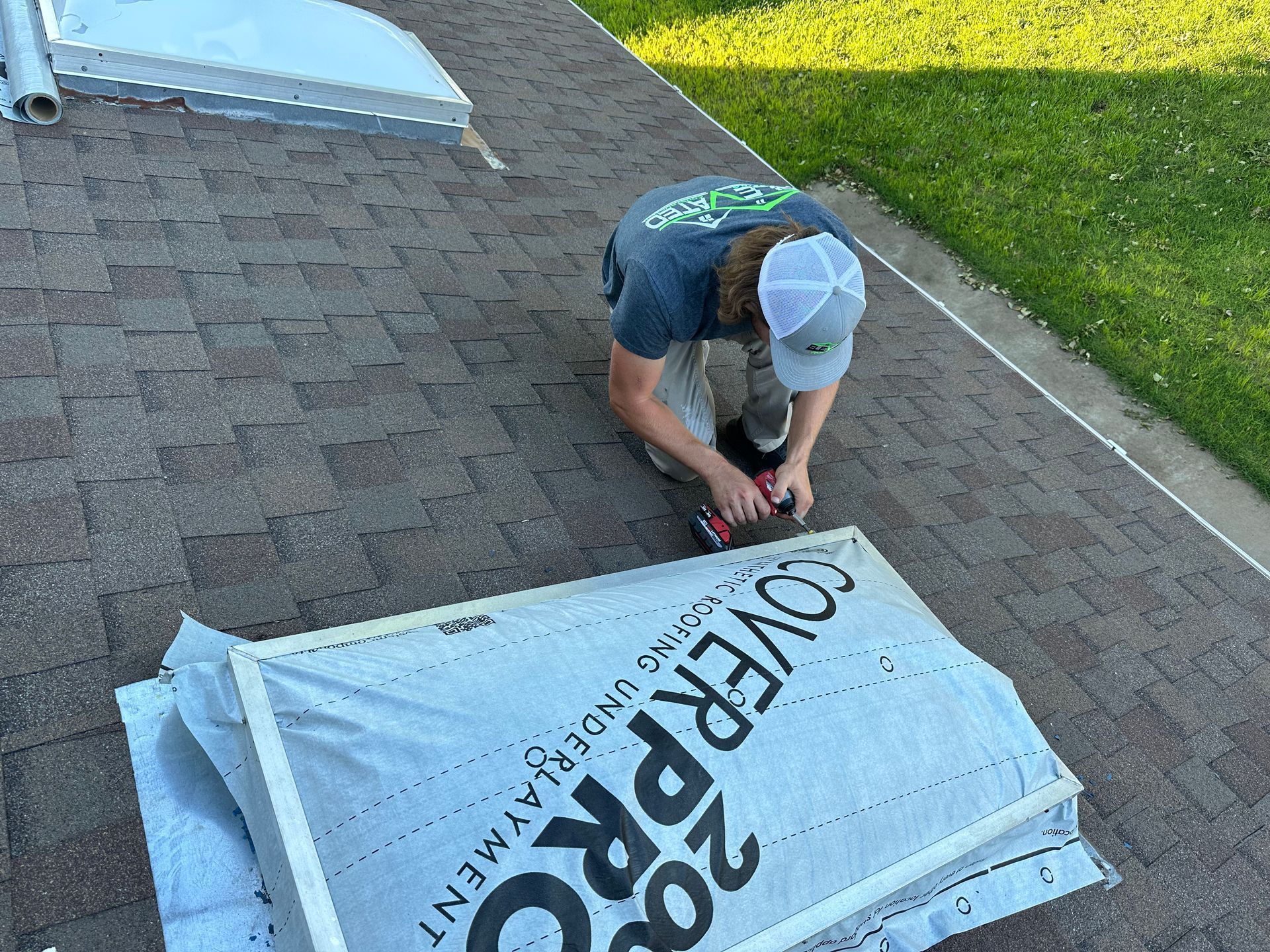
Table of Contents
- Introduction
- Why Spring Is the Right Time for an Amarillo Roof Check
- What to Inspect on Your Roof After Winter
- Check Flashing, Skylights, and Roof Penetrations
- Clean and Test Gutters and Downspouts
- Look for Moisture, Mold, and Ventilation Problems
- Inspect the Attic and Interior for Hidden Damage
- What Homeowners Commonly Miss During Spring Inspections
- What to Do When You Find Roof Damage
- When a Professional Roof Inspection Makes Sense
- Conclusion
- Frequently Asked Questions
Key Takeaways
- Spring is a practical time to check an Amarillo roof for damage left behind by winter weather and prepare for the area's spring and summer storms.
- Shingles are only one part of the inspection; flashing, gutters, ventilation, attic conditions, and roof penetrations can reveal problems that are easy to miss.
- Homeowners should inspect safely from the ground and avoid climbing onto the roof simply to investigate suspected damage.
- Water stains, sagging, missing shingles, damaged flashing, and recurring moisture problems deserve professional attention rather than a temporary cosmetic fix.
- A useful spring inspection is not about finding reasons to replace a roof, it is about determining what condition the roofing system is actually in and what, if anything, needs to happen next.
Introduction
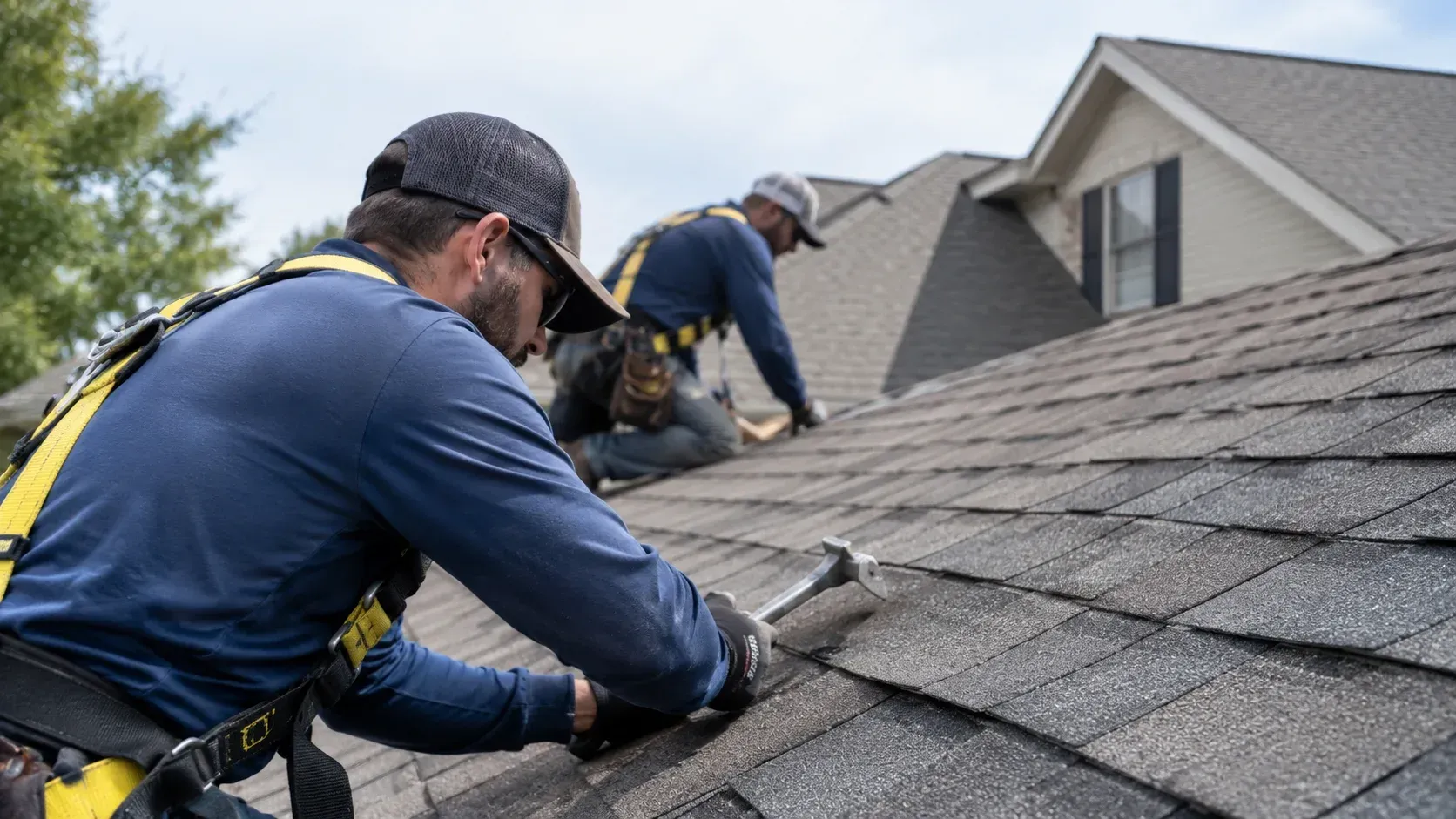
A spring roof inspection helps Amarillo homeowners identify winter damage early and address weak points before the region's stronger spring and summer weather puts additional stress on the roofing system. Amarillo roofs contend with wind, hail, intense sun, temperature changes, and heavy rainfall, so a seasonal check can be an important part of protecting the home. When a more thorough evaluation is needed, professional roof inspection services in Amarillo can assess both visible roofing components and areas homeowners may not be able to safely evaluate themselves.
The goal is not to climb onto the roof with a ladder and start pulling at shingles. A better spring check combines a safe exterior look, an attic and interior review, drainage checks, and professional assessment when something appears questionable.
Why Is Spring the Right Time for an Amarillo Roof Check?
Spring creates a useful transition point between two very different periods of weather.
Winter may have exposed the roof to freezing temperatures, strong winds, moisture, and occasional ice or snow. The months ahead can bring intense Texas heat, thunderstorms, hail, and high winds.
That makes spring a useful opportunity to answer three questions:
- Did winter leave behind any damage?
- Are there existing weak points that could become leaks?
- Is the roof ready for the weather coming next?
Elevated Roofing and Construction's local roofing guidance identifies wind and hail, persistent leaks, sun and heat damage, flashing failures, inadequate ventilation, and roof age among the recurring issues Amarillo homeowners should watch for.
What to Inspect on Your Roof After Winter
Start from the ground rather than immediately reaching for a ladder.
Using a safe vantage point, look for:
- Missing shingles
- Shingles that appear cracked, curled, or displaced
- Excessive granules around downspouts
- Damaged or loose flashing
- Sagging areas
- Debris accumulation
- Damaged vents or roof penetrations
- Signs that water is not draining properly
Look at the roof from different angles
A roof can look perfectly normal from the driveway but show a problem when viewed from another side of the property.
Walk around the house and examine the roofline from several safe positions. Binoculars can also help you examine areas that are difficult to see clearly without climbing.
Don't assume one damaged shingle is the entire problem
A missing shingle may be an isolated repair. But if you see multiple areas of damage, widespread granule loss, curling, or recurring problems, the issue may be related to the overall condition or age of the roofing system.
That distinction matters when deciding whether a repair is appropriate or whether a broader evaluation is warranted.
Check Flashing, Skylights, and Roof Penetrations
Homeowners often focus on shingles because they are the most visible part of the roof.
But water does not need a damaged shingle to enter a home.
Flashing around:
- Chimneys
- Skylights
- Plumbing vents
- Roof edges
- Valleys
- Other penetrations
can become vulnerable as roofing systems age.
Look for visible gaps, lifted sections, corrosion, deterioration, or sealant that appears to be failing.
If you have skylights, give those areas particular attention. A skylight itself may be functioning properly while the surrounding flashing or roofing interface has developed a problem.
Clean and Test Gutters and Downspouts
Spring is also a good time to make sure water has a clear path away from the roof.
Remove accessible leaves, twigs, and debris from gutters, then check whether downspouts are directing water away from the foundation.
Watch for:
- Standing water
- Overflowing gutters
- Sagging gutter sections
- Loose connections
- Downspouts that discharge too close to the house
A clogged gutter is not merely a housekeeping problem. Poor drainage can contribute to water accumulation around roofing components and create unnecessary stress on the home's drainage system.
Elevated Roofing and Construction's maintenance guidance similarly recommends keeping roofs, gutters, and downspouts clear and monitoring drainage between professional inspections.
Look for Moisture, Mold, and Ventilation Problems
One of the most useful parts of a spring roof check happens inside the house.
Go into the attic when conditions are safe and look for:
- Water stains
- Damp insulation
- Mold or mildew
- Unusual odors
- Visible moisture
- Signs of roof leaks
- Excessive heat
- Inadequate or obstructed ventilation
Also check ceilings and upper walls for discoloration.
Why the attic matters
A roof inspection should not stop at the exterior surface. Elevated Roofing and Construction's current inspection process includes the attic and interior spaces, with attention to ventilation, insulation, and signs of water intrusion. Its inspection process also uses moisture-detection tools to help identify hidden moisture buildup.
This is an important distinction between a quick visual check and a comprehensive inspection.
What Homeowners Commonly Miss During Spring Inspections
1. Flashing failures
Shingles may look fine while flashing around penetrations has deteriorated.
2. Hidden moisture
A small leak may not immediately create an obvious ceiling stain. Moisture can accumulate in concealed areas before becoming visible indoors.
3. Ventilation problems
A roof can be free of obvious storm damage and still have an attic ventilation issue that contributes to excessive heat and moisture.
4. Roof age
A roof that has reached an advanced age deserves a different level of scrutiny than a recently installed system.
Elevated Roofing and Construction notes that roofs over approximately 20 years old may warrant an inspection and possible replacement evaluation, although actual service life depends on the roofing system and its condition.
5. Damage that becomes obvious only after bad weather
This is particularly relevant in Amarillo. Wind and hail can create damage that is difficult to recognize from the ground.
What Actually Works, and What Often Doesn't
The most useful spring maintenance strategy is not simply checking the shingles once a year.
What works better is combining:
Safe visual monitoring → drainage maintenance → attic/interior checks → post-storm observation → professional inspection when warranted.
This gives homeowners several opportunities to catch developing problems.
What doesn't work?
Waiting until water is dripping through the ceiling.
By that point, the roof problem may have existed for considerably longer than the homeowner realized.
Another poor strategy is making a quick cosmetic repair without determining why the damage occurred. Replacing one visibly damaged component can solve the immediate symptom while leaving an underlying flashing, drainage, ventilation, or storm-damage issue unresolved.
What professionals would do differently
A professional inspection looks at the roof as a system, rather than treating every visible defect as an isolated problem.
That means examining the roofing surface alongside flashing, gutters, attic conditions, ventilation, insulation, and signs of moisture intrusion.
What to Do When You Find Roof Damage
Finding damage does not automatically mean you need a new roof.
Instead, document what you can safely see and determine how extensive the problem appears to be.
Minor, isolated concern
A single displaced shingle or accessible gutter problem may be relatively straightforward to address.
Multiple damaged areas
Several missing or damaged shingles, deteriorated flashing, or recurring leaks justify a closer professional evaluation.
Signs of structural or moisture damage
Sagging, significant water intrusion, widespread deterioration, or repeated leaks should be treated as higher-priority concerns.
If repairs are appropriate, professional roof repair services in Amarillo can address identified problems rather than jumping immediately to full replacement. Elevated Roofing and Construction's repair process begins with an assessment before developing a repair plan and completing the necessary work.
When a Professional Roof Inspection Makes Sense
A professional inspection is especially worthwhile when:
- Your roof has sustained hail or wind exposure
- You notice leaks or interior water stains
- The roof is approaching the later part of its expected service life
- Multiple shingles are damaged or missing
- Flashing appears compromised
- You see sagging or other structural concerns
- You are preparing to sell or purchase a property
- You cannot safely inspect the roof yourself
Elevated Roofing and Construction's inspection service includes routine assessments, storm-damage evaluations, pre-purchase inspections, and insurance claim support. The company's inspection process examines exterior roofing components as well as attic and interior conditions.
For homeowners who want to handle basic maintenance between professional visits, these practical roof-maintenance steps between inspections provide additional guidance on debris removal, damaged shingles, storm checks, branches, metal-roof corrosion, and attic ventilation.
And because spring is only the beginning of Amarillo's more active storm period, it is also useful to understand how Texas weather can affect roof performance throughout the year.
Lessons Learned From Amarillo Roof Maintenance
The biggest lesson is that prevention is more useful when it is specific.
A generic "inspect your roof every spring" recommendation is easy to remember, but it does not tell homeowners what they should actually look for.
For an Amarillo property, the more useful questions are:
- Did winter weather loosen or damage anything?
- Is water draining properly?
- Are flashing and roof penetrations still secure?
- Is there evidence of moisture inside?
- Is attic ventilation functioning properly?
- Has the roof recently experienced hail or high winds?
- Is the roof's age changing the maintenance equation?
Those questions turn a routine spring inspection into an actual decision-making process.
Conclusion
A spring roof check is an opportunity to catch winter damage, correct drainage problems, identify moisture concerns, and prepare your Amarillo home for the heat, wind, hail, and storms ahead. The most effective approach goes beyond looking for missing shingles, it considers the entire roofing system, including flashing, gutters, attic conditions, ventilation, and signs of hidden water intrusion.
Most importantly, homeowners do not need to diagnose every problem themselves. A safe visual check can tell you when something looks unusual; a professional inspection can determine what that observation actually means.
Amarillo Roof Inspection Services for Spring Maintenance
If you have noticed damaged shingles, water stains, deteriorating flashing, or other concerns after winter, contact us to schedule a professional roof inspection. The company serves Amarillo and surrounding Texas Panhandle communities, including Borger, Canyon, Dalhart, Dumas, Pampa, Bushland, and Plainview.
A timely inspection can help establish whether your roof needs simple maintenance, targeted repairs, or more extensive work, before the next major storm makes the decision for you.
Frequently Asked Questions
When is the best time to inspect a roof in Amarillo?
Spring is a practical time because homeowners can look for damage from winter weather and prepare the roof for the storms and heat that follow. A professional inspection is also appropriate after significant wind, hail, or storm activity.
What should I look for during a spring roof inspection?
Start with missing, cracked, curled, or displaced shingles, then check visible flashing, gutters, downspouts, roof penetrations, and the roofline. Inside, look for ceiling stains, attic moisture, mold, unusual odors, and ventilation problems.
Should I climb onto my roof to inspect it?
Not necessarily. A ground-level visual inspection can identify many obvious concerns, but climbing onto a roof creates a fall risk. Elevated Roofing and Construction recommends professional assessment because trained inspectors can identify problems that homeowners may overlook.
How often should an Amarillo homeowner get a professional roof inspection?
Elevated Roofing and Construction recommends professional roof inspections at least annually, preferably in spring or fall, as well as after severe weather events. The appropriate schedule can also depend on the roof's age, condition, and exposure.
Does finding roof damage mean I need a full replacement?
No. The extent, location, age, and overall condition of the roofing system determine whether repair or replacement makes more sense. An inspection can help distinguish an isolated repair from widespread deterioration requiring a larger solution.
Related Posts