The Ultimate Roof Maintenance Checklist for Pre-Winter Peace of Mind
December 2, 2021

Table of Contents
- Introduction
- Why Pre-Winter Roof Maintenance Matters in the Texas Panhandle
- How to Prepare Your Roof for Winter
- Schedule a Professional Roof Inspection
- Clean and Check Gutters and Downspouts
- Inspect Attic Ventilation and Insulation
- Take Care of Minor Roof Damage Early
- Check Skylights and Permanent Holiday Lighting
- Consider Stone-Coated Metal Roofing for Long-Term Protection
- Texas Panhandle Winter Roof Maintenance: What to Prioritize
- Conclusion
- Pre-Winter Roofing Inspection and Maintenance in Amarillo
- Frequently Asked Questions
Key Takeaways
- Winter preparation can help identify roof problems before cold weather, wind, sleet, and freezing temperatures make them more difficult or expensive to address.
- A pre-winter roof check should include shingles, flashing, roof penetrations, gutters, downspouts, attic ventilation, insulation, and visible signs of moisture.
- Small problems such as damaged shingles or deteriorated flashing should be addressed before winter weather puts additional stress on the roof.
- Proper attic ventilation and insulation can help manage heat and moisture while supporting a more comfortable, efficient home.
- Homeowners considering a long-term roofing upgrade may want to evaluate durable materials such as stone-coated metal roofing for their property and local weather conditions.
Introduction
Winter in the Texas Panhandle may not bring the prolonged snow and ice associated with northern climates, but homeowners in Amarillo, Borger, Canyon, Dalhart, Dumas, Pampa, Bushland, and Plainview still have plenty of reasons to prepare their roofs before temperatures drop. High winds, sudden cold fronts, hail, freezing precipitation, and rapid weather changes can expose weaknesses that may have gone unnoticed during the warmer months.
A roof that looks fine from the ground can still have damaged shingles, deteriorated flashing, blocked drainage, or ventilation problems that become more serious during winter. Taking care of these concerns before the season arrives can reduce the likelihood of leaks, interior water damage, and emergency repairs.
One of the most useful places to start is with a professional roof inspection, which can help identify visible and less obvious concerns before they develop into larger problems.
The goal of winter roof maintenance isn't necessarily to perform a major project. In many cases, it is about finding small problems early, keeping drainage systems clear, and making sure the roof and attic are prepared for the conditions ahead.
Why Pre-Winter Roof Maintenance Matters in the Texas Panhandle
Texas winters can be unpredictable. A mild week can quickly give way to freezing temperatures, strong winds, or a winter storm. Those changes can place additional stress on roofing materials and expose weaknesses that may not have caused problems during the summer or fall.
For example, a small opening around flashing may not seem urgent on a dry day. Once freezing temperatures and precipitation arrive, however, moisture can enter the roofing system and contribute to deterioration.
Pre-winter maintenance can help homeowners:
- Identify damaged or missing shingles
- Catch potential leaks before they reach interior spaces
- Keep gutters and downspouts flowing properly
- Detect ventilation or insulation concerns
- Address deteriorated flashing and sealants
- Reduce the likelihood of unexpected winter repairs
- Extend the useful life of roofing materials
Regular maintenance is also easier to manage when problems are found early. Rather than waiting for a leak to appear on a ceiling, homeowners can address the underlying roofing issue before it causes additional damage.
For broader seasonal planning, homeowners can also review these seasonal roofing maintenance tips for Texas homes to see how different weather conditions can affect a roof throughout the year.
How Do I Prepare My Roof for Winter?
Preparing a roof for winter starts with a thorough assessment of its current condition. Homeowners can perform a visual check from the ground, but areas such as steep roof sections, flashing, vents, and roof penetrations are better evaluated by a qualified roofing professional.
A practical pre-winter checklist includes:
- Inspect the roof for damage.
- Check shingles and exposed roofing materials.
- Examine flashing around chimneys, skylights, and vents.
- Clean gutters and downspouts.
- Look for signs of water intrusion in the attic.
- Check attic ventilation and insulation.
- Repair small problems before temperatures drop.
- Secure permanent holiday lighting and inspect areas around roof penetrations.
Completing these tasks before winter weather becomes severe gives homeowners more time to address problems without the pressure of an emergency.
Schedule a Professional Roof Inspection
A professional inspection should be one of the first steps in your pre-winter maintenance plan.
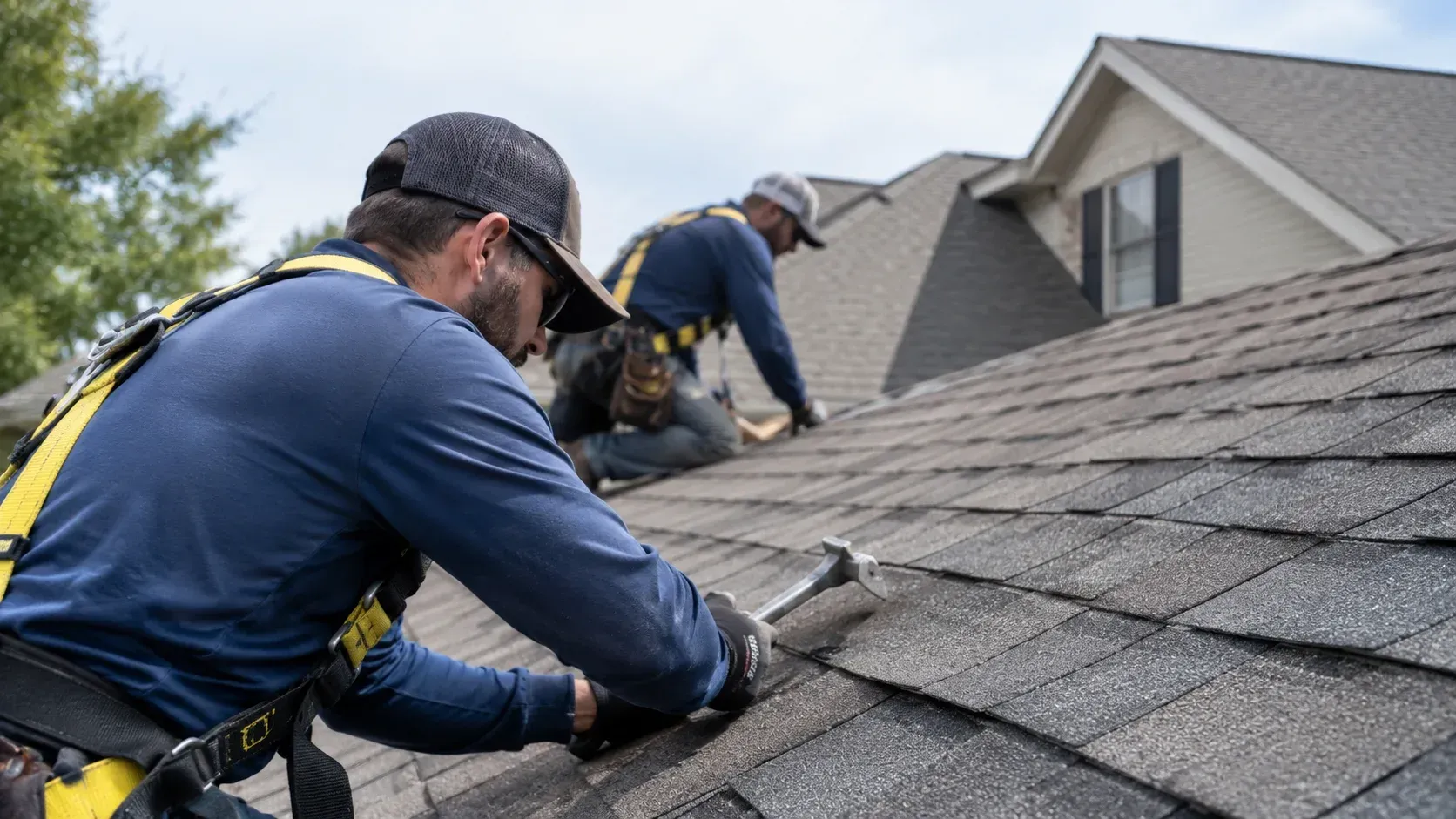
A roofing professional can evaluate areas that may be difficult or unsafe for homeowners to access themselves. This includes the condition of shingles, flashing, roof penetrations, valleys, ridges, and other vulnerable areas.
A pre-winter roof inspection can look for:
- Loose, cracked, or missing shingles
- Damaged roofing materials
- Deteriorated flashing
- Failed sealants around penetrations
- Signs of previous or active water intrusion
- Damaged roof valleys
- Sagging or other visible structural concerns
- Ventilation issues
- Areas affected by previous wind or hail
This is particularly important in the Texas Panhandle, where strong winds and hail can cause damage that isn't always immediately obvious.
Homeowners should also avoid climbing onto the roof simply to perform a seasonal inspection. Professional inspectors have the experience and equipment needed to evaluate the roof while reducing the risks associated with working at height.
Clean and Check Gutters and Downspouts
Gutters and downspouts play an important role in moving rainwater away from the roof and foundation. When leaves, twigs, and other debris block that pathway, water can back up against roofing components or overflow along the sides of the home.
Before winter arrives, inspect the entire drainage system.
Your Pre-Winter Gutter Checklist
- Remove leaves and accumulated debris.
- Clear obstructions from downspouts.
- Confirm that water can flow freely through the system.
- Check for sagging gutter sections.
- Look for rust, cracks, or damaged connections.
- Make sure downspouts direct water away from the home's foundation.
- Check that gutters remain securely attached to the fascia.
Don't overlook this task simply because the Texas Panhandle doesn't experience heavy snow every winter. Rain, sleet, melting ice, and sudden temperature changes can still put stress on a poorly maintained drainage system.
Inspect Attic Ventilation and Insulation
Roof maintenance isn't limited to the exterior. The condition of the attic can also affect how well your roofing system performs during winter.
Proper ventilation helps regulate moisture and temperature within the attic, while adequate insulation helps reduce unwanted heat transfer between the living space and attic.
During a pre-winter check, look for:
- Blocked or damaged soffit vents
- Problems with ridge or other attic vents
- Uneven or insufficient insulation
- Condensation or moisture
- Musty odors
- Signs of mold or water intrusion
- Frost or excessive moisture around the underside of the roof
Poor ventilation can allow moisture to accumulate in the attic, while inadequate insulation can contribute to unwanted heat loss and condensation.
These problems aren't always visible from outside the home, which is another reason a comprehensive roof assessment can be valuable before winter.
Take Care of Minor Roof Damage Early
One of the biggest mistakes homeowners can make is assuming a small roofing issue can wait until spring.
A cracked shingle, loose flashing component, or deteriorated seal may appear insignificant, but additional wind, precipitation, and freezing temperatures can make the problem worse.
Common issues worth addressing before winter include:
- Missing shingles
- Cracked or curling shingles
- Damaged flashing
- Loose roofing components
- Deteriorated sealant
- Small leaks
- Damaged vents
- Areas showing signs of previous storm damage
Prompt repairs can help prevent a relatively contained issue from becoming a larger roofing or interior water-damage problem.
If your roof has already experienced damage from wind or hail, it's especially important to have it evaluated rather than assuming the damage is cosmetic. A professional assessment can help determine whether repair is appropriate or whether additional work is necessary.
Check Skylights and Permanent Holiday Lighting
Skylights and lighting systems can add function and curb appeal to a home, but roof penetrations require careful attention.
Before winter, inspect the areas around skylights for:
- Cracked or deteriorated seals
- Visible gaps
- Signs of water intrusion
- Damaged flashing
- Condensation or moisture
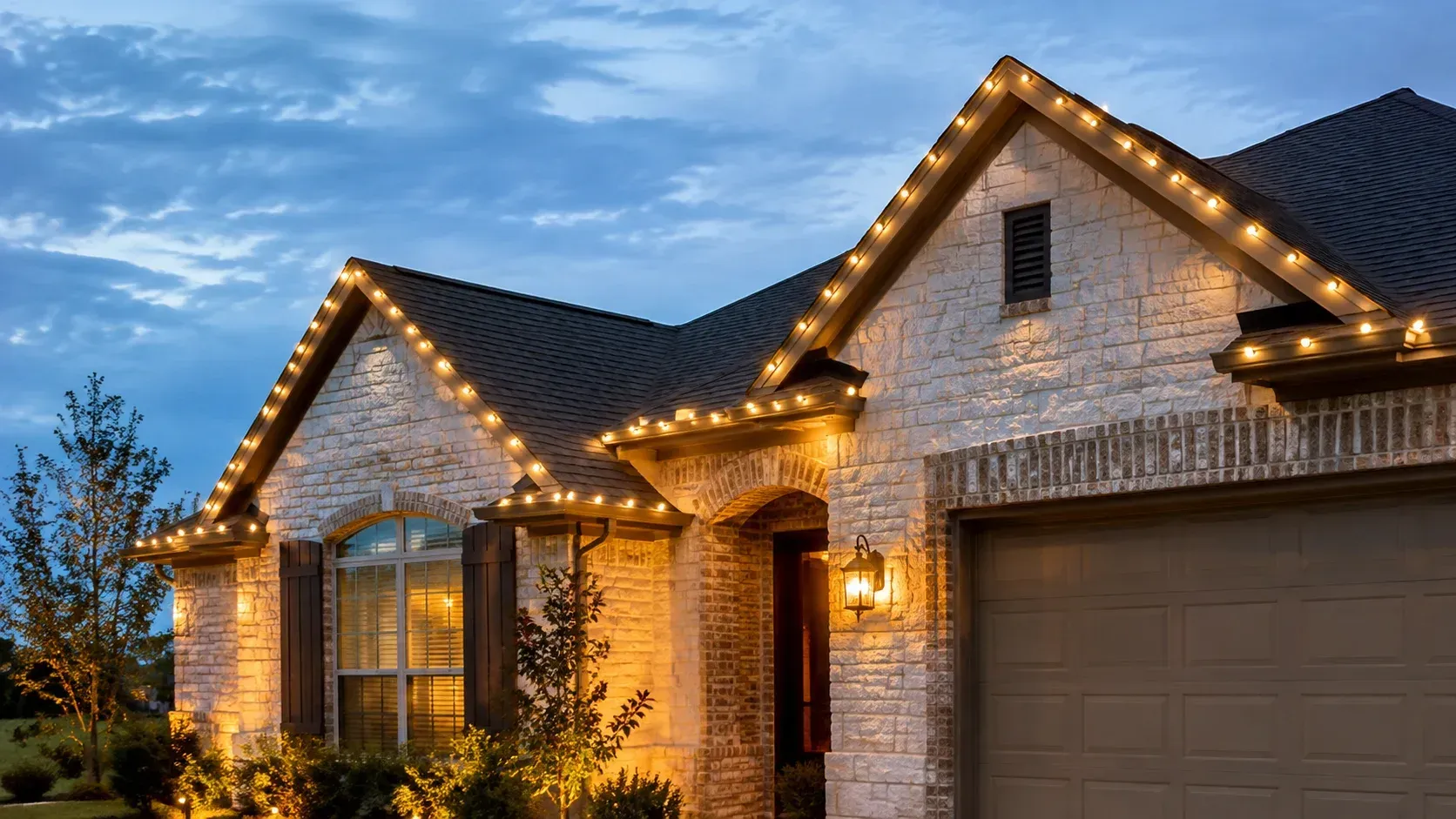
Permanent holiday lighting should also be checked before winter weather arrives. Make sure fixtures and mounting points are secure and that installation hasn't compromised roofing materials or flashing.
Because anything attached to or installed around the roof can create potential entry points for water, these areas deserve attention during your seasonal inspection.
Consider Stone-Coated Metal Roofing for Long-Term Protection
Pre-winter maintenance is also a good opportunity to think about the long-term condition of your roof.
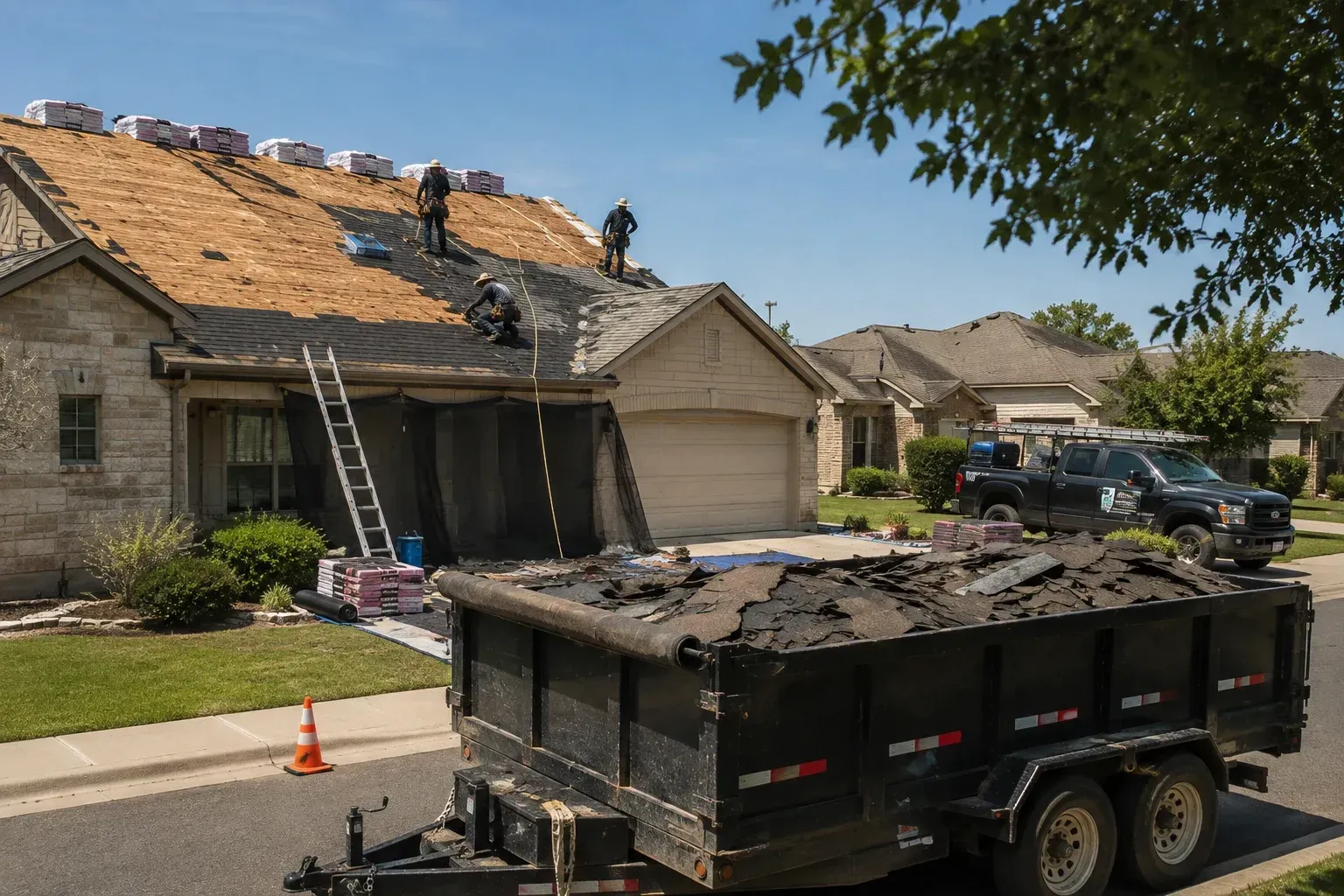
If your current roof is approaching the end of its expected service life, repeatedly repairing isolated problems may not always be the most practical approach. Depending on the property's needs, a replacement or upgraded roofing system may provide better long-term value.
For homeowners interested in a durable alternative, stone-coated metal roofing is one option worth considering. These roofing systems combine metal construction with a stone-coated finish and are designed to provide durability while maintaining an attractive appearance.
The right roofing material depends on factors such as:
- Existing roof condition
- Property design
- Local weather exposure
- Desired longevity
- Maintenance expectations
- Budget
- Installation requirements
A roofing professional can help determine whether an upgraded material makes sense for your particular property rather than recommending a replacement simply because winter is approaching.
Texas Panhandle Winter Roof Maintenance: What to Prioritize
Not every homeowner needs to complete a major roofing project before winter. The priority should be identifying conditions that could create problems during the colder months.
Priority 1: Find Existing Damage
Missing shingles, damaged flashing, leaks, and other obvious defects should be evaluated before winter weather arrives.
Priority 2: Keep Water Moving
Clean gutters and functioning downspouts help prevent water from accumulating where it shouldn't.
Priority 3: Check the Attic
Ventilation, insulation, and moisture conditions can affect both the roof and the comfort of the home.
Priority 4: Review Roof Penetrations
Skylights, vents, chimneys, and lighting installations should be checked for signs of deterioration or water intrusion.
Priority 5: Plan for the Long Term
If the roof is aging or repeatedly requiring repairs, use the inspection as an opportunity to discuss whether continued maintenance or a replacement makes more sense.
This approach makes winter preparation more manageable. Instead of treating roof maintenance as one large project, homeowners can address the issues that matter most first.
Conclusion
A pre-winter roof inspection isn't about preparing for one specific type of weather. It's about making sure your roofing system is in a condition to handle whatever the Texas Panhandle brings during the colder months.
For homeowners in Amarillo and surrounding communities, that means checking for storm damage, keeping gutters clear, evaluating attic ventilation and insulation, inspecting roof penetrations, and taking care of minor repairs before they have an opportunity to become major problems.
Regular maintenance can also help extend the life of your roof and make unexpected roofing expenses less likely. If an inspection reveals that your roof is nearing the end of its service life, it gives you the opportunity to evaluate replacement options before an emergency forces the decision.
Pre-Winter Roof Inspections and Maintenance in Amarillo, TX
Don't wait for the first major cold front to discover a roofing problem. Elevated Roofing and Construction provides roofing inspections, repairs, replacements, and other roofing solutions for homeowners throughout Amarillo and the surrounding Texas Panhandle.
Whether you're concerned about storm damage, aging shingles, roof leaks, or simply want to make sure your home is ready for winter, our team can evaluate the condition of your roof and explain the next steps.
To schedule a pre-winter assessment or discuss your roofing needs, contact Elevated Roofing and Construction and request an appointment. We proudly serve Amarillo, Borger, Canyon, Dalhart, Dumas, Pampa, Bushland, Plainview, and nearby communities.
Frequently asked question
When should I have my roof inspected before winter?
It's best to schedule a roof inspection before severe winter weather arrives. In the Texas Panhandle, having the roof checked during the fall gives you time to address damage, drainage problems, or other concerns before temperatures drop.
What should I look for when preparing my roof for winter?
Check for missing or damaged shingles, deteriorated flashing, clogged gutters, blocked downspouts, damaged roof penetrations, and signs of water intrusion. An attic inspection should also include ventilation, insulation, and moisture conditions.
Can clogged gutters cause roof problems during winter?
Yes. Debris can prevent water from draining properly, potentially causing water to back up around roofing components or overflow near the home's foundation. Cleaning gutters and downspouts before winter helps maintain proper drainage.
Does attic ventilation matter during winter?
Yes. Proper attic ventilation helps manage moisture and temperature within the attic. Combined with adequate insulation, it can help reduce condensation and unwanted heat transfer that may affect the home's comfort and roofing system.
Should I repair my roof before winter or wait until spring?
If an inspection identifies active leaks, damaged shingles, deteriorated flashing, or other issues that could worsen during winter weather, addressing them before winter is generally the safer approach. A professional evaluation can help determine whether a repair or larger roofing project is appropriate.
Related Posts