How Often Should Amarillo, Texas Homeowners Schedule a Roof Inspection?
July 16, 2026
Your roof is one of the most vital components of your home, providing protection against the elements and contributing significantly to your property's curb appeal. However, like any part of your home, roofs don't last forever. Knowing the signs that indicate it's time for a roof replacement can save you from costly repairs or potential damage to your home. At Elevated Roofing and Construction in Amarillo, TX, we are your trusted partners in determining when a roof replacement is necessary. Below, we outline key indicators that it might be time to replace your roof.
1. Age of Your Roof
The longevity of a roof largely depends on the materials used. Asphalt shingle roofs typically last 20-25 years, while metal roofs can last longer. If your roof is nearing the end of its lifespan, it's wise to start considering a replacement. Proactively replacing an aging roof can prevent leaks and structural damage.
2. Frequent Repairs
If you're constantly calling for repairs, it might be more cost-effective to replace the entire roof. Ongoing repairs can add up and still leave you with an unreliable roofing system. Our team can help you weigh the cost of repairs versus a new roof to make the best decision for your home.
3. Visible Shingle Damage
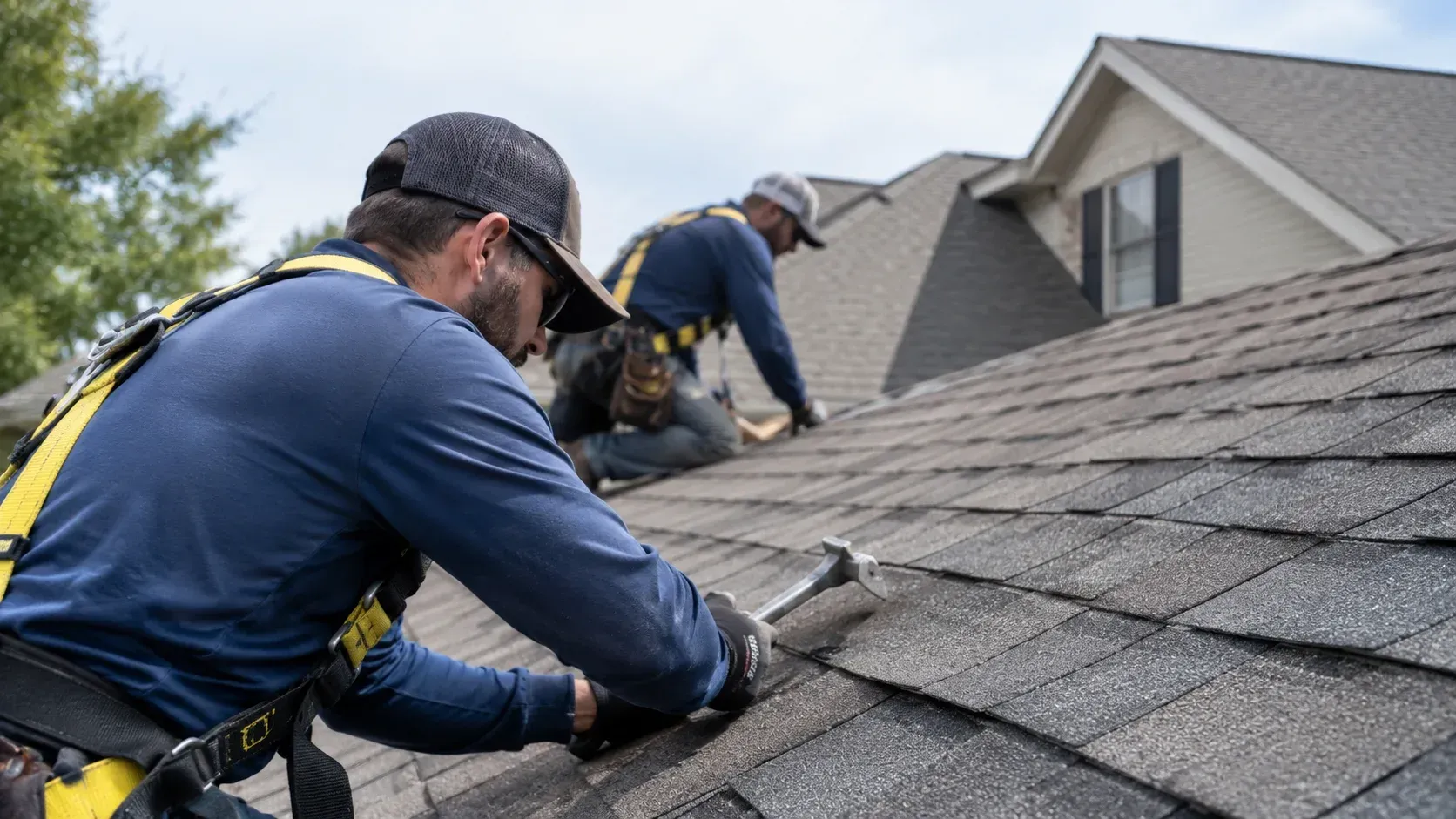
Inspect your roof periodically for signs of wear and tear. Look for shingles that are curled, cracked, or missing altogether. These are signs that your shingles have reached the end of their life cycle and are no longer providing the protection your home needs.
4. Roof Leaks and Water Damage
Water stains on ceilings or walls inside your home are clear indicators of a roof leak. If you've noticed water damage or signs of mold and mildew, it's critical to address the issue immediately to prevent further damage to your home’s interior.
5. Sagging Roof
A sagging roof is a serious issue that indicates structural problems. If you notice any part of your roof sagging, it's crucial to address it immediately to prevent further structural failure. This often requires a full roof replacement to ensure your home’s safety.
6. Granules in Gutters
As shingles age, they lose their granules, which often end up in your gutters. If you notice a significant amount of granules in your gutters, it could be a sign that your shingles are deteriorating and need replacing.
7. Increased Energy Bills
A well-insulated roof can help regulate your home's temperature. If you've noticed an unexplained increase in your energy bills, your roof might not be insulating effectively. This can often be mitigated by a new roof with better insulation properties.
8. Moss or Algae Growth
While moss and algae growth can sometimes be cleaned off, persistent growth might be a sign that moisture is being trapped in your roof, which can lead to structural damage. If moss and algae are constantly reappearing despite cleaning, a roof replacement might be necessary.
9. Storm Damage
After severe weather events, like hailstorms or high winds, it's essential to inspect your roof. Storm damage can be extensive and often requires professional evaluation. Elevated Roofing and Construction can inspect your roof for damage and recommend whether repairs or a full replacement are needed.
10. Sunlight through Roof Boards
If you can see sunlight shining through your roof boards in the attic, it's a clear indication that your roof has holes or gaps. This type of damage allows in water and pests, necessitating an urgent replacement.
Act Now to Protect Your Home
If you've noticed any of these signs, it's crucial to contact a professional roofing company that can provide a thorough evaluation. Delaying roof replacement can lead to significant structural damage and costly repairs down the line. Elevated Roofing and Construction is here to assist you every step of the way, offering expert assessment and high-quality roof replacement services in Amarillo, TX, and surrounding areas.
Why Choose Elevated Roofing and Construction?
Our experienced team is dedicated to providing superior craftsmanship and exceptional customer service. We use only premium materials and advanced techniques to ensure your new roof stands the test of time. Plus, we work closely with your insurance company to make the process as seamless as possible.
Don't wait until a minor roofing issue becomes a major problem. Contact Elevated Roofing and Construction today to schedule your roof inspection. Visit our website at www.elevatedroofingtx.com or call us at (806) 738-4082. Let us help you protect your home with a reliable and beautiful new roof. Your dream roof is just a call away!
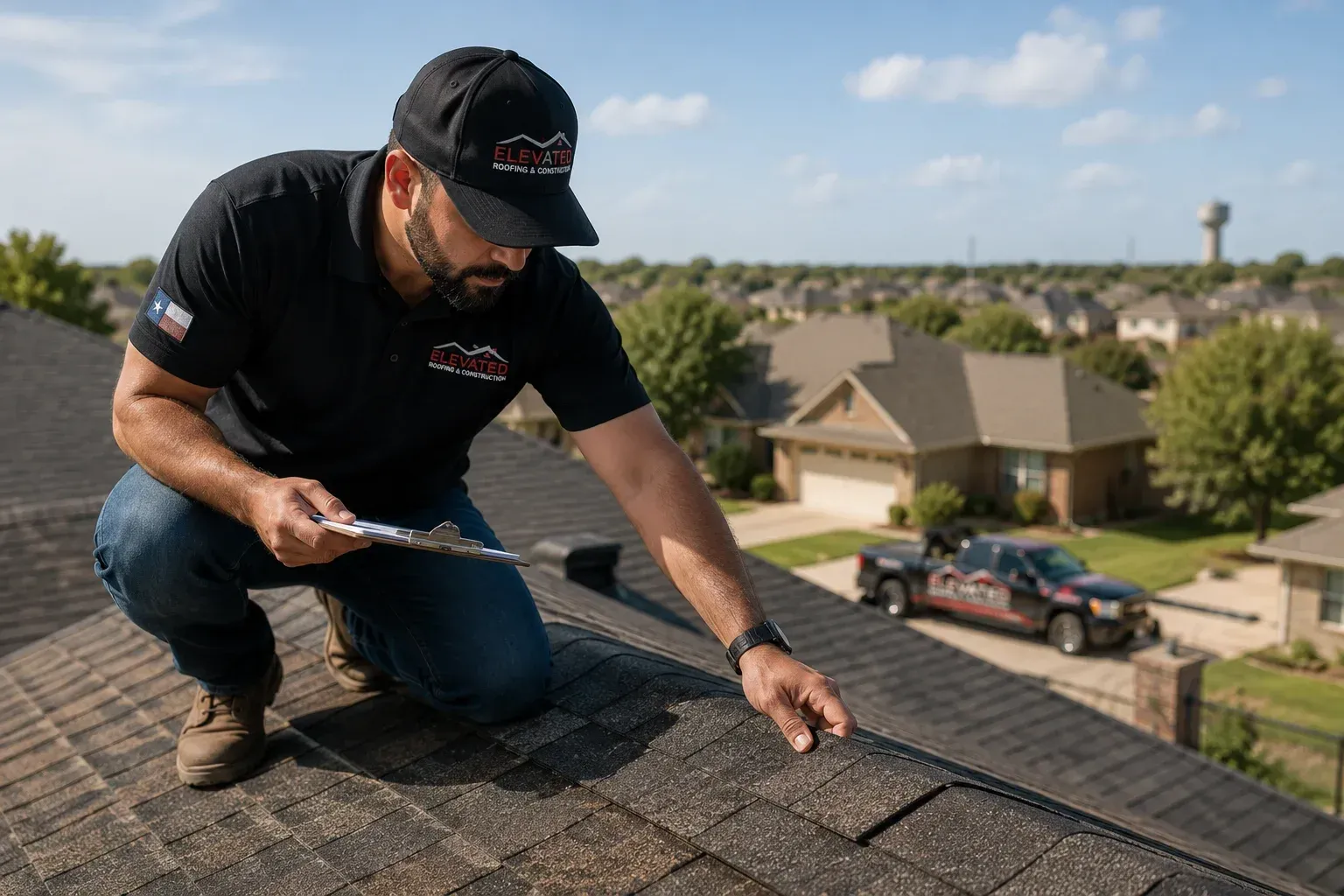
Table of Contents
- Introduction
- The Short Answer for Amarillo Homes
- Why Amarillo Weather Changes the Math
- How Roof Age Affects Inspection Frequency
- Storm Exposure: The Inspections You Cannot Put on a Calendar
- How Roofing Materials Change the Schedule
- What a Professional Roof Inspection Covers
- What Homeowners Can Check Between Inspections
- The Cost Logic of Early Detection
- Conclusion
- Talk Through Your Roof's Schedule
- Frequently Asked Questions
Key Takeaways
- Most Amarillo homeowners should schedule a professional roof inspection once a year, plus an extra check after any major hail or wind storm.
- The Texas Panhandle's hail, high winds, and freeze-thaw cycles wear roofs down faster than milder climates do, which makes local inspection timing different from national advice.
- Roof age matters. A roof under 10 years old can usually stay on an annual schedule, while roofs 15 years or older often benefit from twice-yearly checks.
- Different roofing materials age differently. Asphalt shingles, metal panels, and flat membranes each have their own warning signs and inspection needs.
- Small problems found early, such as lifted shingles or cracked flashing, generally cost far less to fix than the water damage they cause when left alone.
Introduction
Amarillo homeowners should schedule a professional roof inspection at least once a year, and again after any significant hail or wind event. That baseline holds for most homes here, though roof age, material, and recent storm history can push the right number to two or more per year.
This question deserves a local answer because Amarillo is not an average roofing climate. The Texas Panhandle is one of the most hail-prone regions in the country, sees frequent high winds, and swings from triple-digit summer heat to hard winter freezes. A roof here works harder than the same roof would in Dallas or Houston, and national inspection advice does not always account for that. This guide explains how often you should get a roof inspection based on the conditions that actually apply here, what changes the schedule, and what a proper inspection should cover.
The Short Answer for Amarillo Homes
For a typical asphalt shingle roof in good condition, one professional roof inspection per year is a reasonable baseline, ideally in spring, after winter freeze-thaw cycles have done their work but before hail season peaks in May and June.
That said, "once a year" is a starting point, not a rule. Three factors move the number up:
- Roof age. Older roofs need more frequent attention.
- Storm exposure. Hail around one inch or larger, or winds strong enough to send debris across your yard, justifies a check no matter when the last one happened.
- Known problems. A roof with a history of leaks or repairs deserves closer watching than one with a clean record.
If your roof is under 10 years old and the year has been calm, annual is fine. If it is pushing 15 to 20 years and sat through two hailstorms last spring, waiting a full year is a gamble.
Why Amarillo Weather Changes the Math
Hail
The Texas Panhandle sits inside what meteorologists often call "Hail Alley," the corridor from northern Texas up through Colorado where damaging hail is most frequent in the United States. Locally, hail season runs from late spring through early summer, with May and June the most active months.
Hail damage is deceptive. A stone does not have to puncture a shingle to shorten its life. Impacts knock loose the protective granules, exposing the underlying mat to UV radiation. The shingle may look fine from the ground for months, then begin failing well ahead of schedule.
Wind
Amarillo is one of the windiest cities in the country. Sustained wind loosens shingle adhesive, lifts shingle edges, and works fasteners loose on metal roofs and flashing. The damage concentrates along ridges, eaves, and roof edges, which are exactly the spots hardest to evaluate from the ground.
Temperature swings
Panhandle weather can move 40 degrees or more in a day. Repeated expansion and contraction fatigues sealants, opens gaps at flashing, and cracks older shingles, while freeze-thaw cycles push moisture into small openings and widen them as ice. None of these forces destroys a roof in one season, but over years they are why a shingle rated for 30 years in a mild climate often needs replacing sooner here.
How Roof Age Affects Inspection Frequency
A practical way to set your schedule is by the age of the roof, not the age of the house.
Under 10 years old. One annual inspection is usually enough, plus post-storm checks. Newer materials still have flexible sealants and full granule coverage.
10 to 15 years old. Annual inspections remain the baseline, but this is the window where small issues start appearing: minor granule loss, early sealant cracking, a few lifted shingles.
15 to 20 years old. Consider moving to two inspections per year, spring and fall. Materials in this range have lost much of their original resilience, so problems develop faster between visits.
Over 20 years old. Twice-yearly inspections are worth the cost, and each visit should assess how much useful life remains. At this age, an inspection often shifts from "find the damage" to "plan the timing of a roof replacement" so it happens on your schedule instead of a leak's.
Storm Exposure: The Inspections You Cannot Put on a Calendar
Scheduled inspections catch gradual wear. Storm inspections catch sudden damage, and in Amarillo they matter just as much.
A post-storm inspection makes sense after any of the following:
- Hail large enough to dent gutters or your car
- Wind gusts strong enough to break branches
- Debris on the roof, or shingle pieces in the yard
- A new interior stain, drip, or musty smell after heavy rain
Timing matters for two reasons. Hidden storm damage lets water in slowly, and the decking, insulation, and drywall it ruins costs far more than the surface repair would have. Insurance policies also set deadlines for storm-related claims, often within one year, and damage documented promptly is much easier to connect to a specific storm.
One caution: after major hail events, out-of-town crews often canvass Panhandle neighborhoods offering free inspections. Some are legitimate, some are not. It is reasonable to use an established local company and to ask any inspector for photos of what they found before agreeing to work.
How Roofing Materials Change the Schedule
Asphalt shingles. The most common roof in Amarillo and the one most affected by local weather. Watch for granule loss (check your gutters for black grit), curling edges, and cracked or missing shingles.
Metal roofing, including stone-coated steel. Metal handles hail and wind better than standard shingles, which is part of why it has grown popular in the Panhandle. It still needs annual checks: fasteners back out over time, seams and sealants age, and hail can dent panels or fracture the coating on stone-coated products.
Flat and low-slope roofs. Flat membranes pond water after storms, and standing water accelerates every failure mode a membrane has. These roofs generally benefit from twice-yearly inspections regardless of age.
Tile and specialty materials. Tile resists fire and sun well but is brittle under hail. Cracked tiles are hard to spot from the ground, so professional inspection matters more here, not less.
What a Professional Roof Inspection Covers
A thorough inspection covers:
- Surface materials: shingle condition, granule loss, cracks, blistering, dents in metal
- Flashing: the metal seals around chimneys, vents, skylights, and wall junctions, where a large share of leaks begin
- Penetrations: pipe boots, vent caps, and satellite mounts
- Drainage: gutters, downspouts, and signs of ponding or overflow
- Structure: sagging areas, soft decking, damaged fascia and soffits
- Attic and interior, when accessible: water stains, daylight through the deck, wet insulation, and ventilation problems
You should receive documentation, ideally photos, of anything found. A written record also helps support an insurance claim or verify the roof's condition when selling the home.
What Homeowners Can Check Between Inspections
You do not need to climb a ladder to keep an eye on your roof. A few minutes each season can flag problems early:
- Scan the roofline for lifted, curled, or missing shingles
- Check gutters for granule buildup
- Look at ceilings and the tops of walls for new stains after rain
- Glance in the attic with a flashlight after storms
None of this replaces professional evaluation, since ground-level checks miss hail bruising, flashing gaps, and early membrane failures. What they do well is tell you when to call for a roof repair assessment sooner than your next scheduled visit.
The Cost Logic of Early Detection
The financial case comes down to how roof problems grow. A cracked pipe boot is a minor fix. The same crack ignored for two years can mean stained ceilings, wet insulation, damaged decking, and sometimes mold remediation. The repair cost did not double. It multiplied.
Inspections also protect two other interests. Many manufacturer warranties require documented maintenance, and a gap in records can complicate a claim. And when replacement does come, a documented history helps you plan the expense years ahead instead of absorbing it as an emergency.
Conclusion
For most Amarillo homes, the answer is one professional roof inspection per year, moving to two as the roof passes 15 years old, plus an unscheduled check after any serious hail or wind event. The Panhandle's mix of hail, wind, and temperature swings ages roofs faster than national averages suggest, so local conditions should set your schedule.
The pattern behind all of it: roof problems start small, stay hidden, and get expensive quietly. Regular inspections keep the timing of repairs, and eventually replacement, under your control.
Talk Through Your Roof's Schedule
If you are unsure where your roof falls on this timeline, a conversation with a local roofing professional can help you sort it out. Elevated Roofing and Construction provides
roofing services throughout Amarillo and nearby Panhandle communities, and an inspection is a straightforward way to get current, documented information about your roof's condition. There is no obligation attached to asking questions, and the purpose is simply to give you accurate information to decide from.
Frequently Asked Questions
How often should you get a roof inspection in Amarillo, TX?
Once a year for most homes, ideally in spring before hail season. Roofs older than 15 years, flat roofs, and homes that took storm damage during the year often warrant a second inspection in fall.
What time of year is best for a roof inspection in the Texas Panhandle?
Spring is the most common choice because it catches winter freeze-thaw damage before the May and June hail season. Fall is the usual second choice, since it allows repairs before winter.
Should I get a roof inspection after every hailstorm?
Not after every storm, but after any storm with hail around one inch or larger, or winds strong enough to scatter debris. Smaller hail on an older roof can also justify a check.
How long does a professional roof inspection take?
Most residential inspections take between 45 minutes and 2 hours, depending on the size of the home, the roof's complexity, and whether the attic is included.
Can I inspect my roof myself instead of hiring a professional?
Ground-level checks are useful between professional visits, but they miss the damage that matters most, such as hail bruising, flashing gaps, and early decking problems. Walking on a roof without training also carries real fall risk and can damage shingles.
Does homeowners insurance require roof inspections?
Requirements vary by insurer and policy. Some insurers ask for inspection documentation on older roofs before renewing coverage, and most set time limits for filing storm-damage claims, which makes prompt post-storm documentation useful.
How much does a roof inspection cost in Amarillo?
Pricing varies by company and by the scope of the inspection. Some roofing companies offer inspections at no charge, particularly after storms, while detailed inspections with written reports may carry a fee. Ask what is included before scheduling.
Related Posts