How Long Does a Roof Replacement Take in Amarillo, Texas?
August 13, 2026
Your roof is one of the most vital components of your home, providing protection against the elements and contributing significantly to your property's curb appeal. However, like any part of your home, roofs don't last forever. Knowing the signs that indicate it's time for a roof replacement can save you from costly repairs or potential damage to your home. At Elevated Roofing and Construction in Amarillo, TX, we are your trusted partners in determining when a roof replacement is necessary. Below, we outline key indicators that it might be time to replace your roof.
1. Age of Your Roof
The longevity of a roof largely depends on the materials used. Asphalt shingle roofs typically last 20-25 years, while metal roofs can last longer. If your roof is nearing the end of its lifespan, it's wise to start considering a replacement. Proactively replacing an aging roof can prevent leaks and structural damage.
2. Frequent Repairs
If you're constantly calling for repairs, it might be more cost-effective to replace the entire roof. Ongoing repairs can add up and still leave you with an unreliable roofing system. Our team can help you weigh the cost of repairs versus a new roof to make the best decision for your home.
3. Visible Shingle Damage
Inspect your roof periodically for signs of wear and tear. Look for shingles that are curled, cracked, or missing altogether. These are signs that your shingles have reached the end of their life cycle and are no longer providing the protection your home needs.
4. Roof Leaks and Water Damage
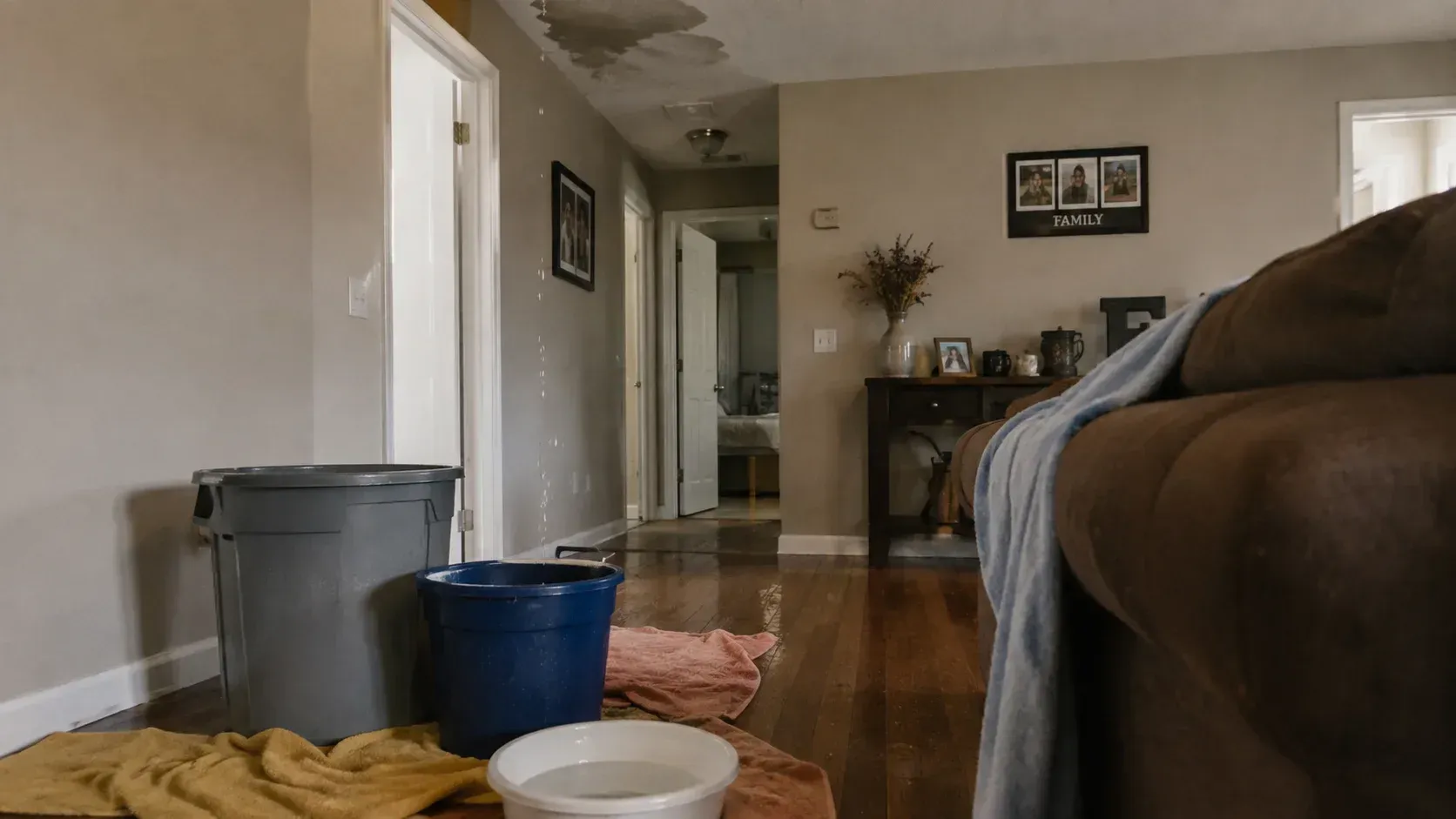
Water stains on ceilings or walls inside your home are clear indicators of a roof leak. If you've noticed water damage or signs of mold and mildew, it's critical to address the issue immediately to prevent further damage to your home’s interior.
5. Sagging Roof
A sagging roof is a serious issue that indicates structural problems. If you notice any part of your roof sagging, it's crucial to address it immediately to prevent further structural failure. This often requires a full roof replacement to ensure your home’s safety.
6. Granules in Gutters
As shingles age, they lose their granules, which often end up in your gutters. If you notice a significant amount of granules in your gutters, it could be a sign that your shingles are deteriorating and need replacing.
7. Increased Energy Bills
A well-insulated roof can help regulate your home's temperature. If you've noticed an unexplained increase in your energy bills, your roof might not be insulating effectively. This can often be mitigated by a new roof with better insulation properties.
8. Moss or Algae Growth
While moss and algae growth can sometimes be cleaned off, persistent growth might be a sign that moisture is being trapped in your roof, which can lead to structural damage. If moss and algae are constantly reappearing despite cleaning, a roof replacement might be necessary.
9. Storm Damage
After severe weather events, like hailstorms or high winds, it's essential to inspect your roof. Storm damage can be extensive and often requires professional evaluation. Elevated Roofing and Construction can inspect your roof for damage and recommend whether repairs or a full replacement are needed.
10. Sunlight through Roof Boards
If you can see sunlight shining through your roof boards in the attic, it's a clear indication that your roof has holes or gaps. This type of damage allows in water and pests, necessitating an urgent replacement.
Act Now to Protect Your Home
If you've noticed any of these signs, it's crucial to contact a professional roofing company that can provide a thorough evaluation. Delaying roof replacement can lead to significant structural damage and costly repairs down the line. Elevated Roofing and Construction is here to assist you every step of the way, offering expert assessment and high-quality roof replacement services in Amarillo, TX, and surrounding areas.
Why Choose Elevated Roofing and Construction?
Our experienced team is dedicated to providing superior craftsmanship and exceptional customer service. We use only premium materials and advanced techniques to ensure your new roof stands the test of time. Plus, we work closely with your insurance company to make the process as seamless as possible.
Don't wait until a minor roofing issue becomes a major problem. Contact Elevated Roofing and Construction today to schedule your roof inspection. Visit our website at www.elevatedroofingtx.com or call us at (806) 738-4082. Let us help you protect your home with a reliable and beautiful new roof. Your dream roof is just a call away!
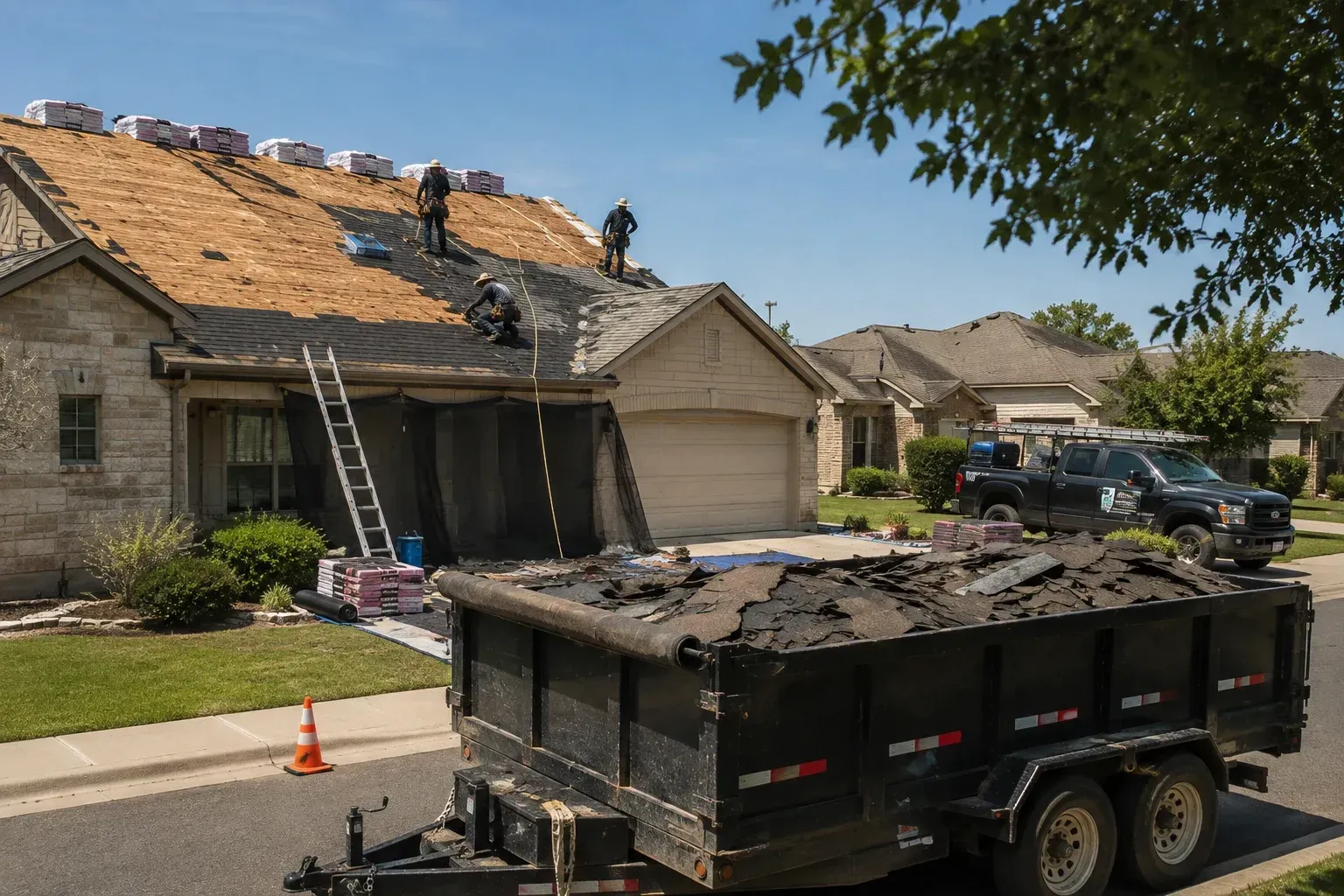
Table of Contents
- Introduction
- The Short Answer for Amarillo Homes
- What Affects the Roof Replacement Timeline
- The Roof Replacement Process, Step by Step
- Why Weather Plays Such a Large Role Here
- What Can Cause Unexpected Delays
- How to Help the Project Run Smoothly
- Conclusion
- Talk Through Your Project Timeline
- Frequently Asked Questions
Key Takeaways
- Most residential roof replacements in Amarillo take one to three days of actual work once the crew starts.
- The full project, from first call to final cleanup, usually runs one to three weeks when you include inspection, permits, and material scheduling.
- Roof size, pitch, and material choice change the timeline most. A large or steep roof, or a switch to metal or tile, takes longer than a standard asphalt shingle job.
- Amarillo weather is the biggest source of delay. Wind, rain, and hail can pause work, and a responsible crew will not install on a wet or unsafe roof.
- Hidden damage found after tear-off, such as rotted decking, can add a day and cost, since it must be repaired before new roofing goes on.
Introduction
Most roof replacements in Amarillo take one to three days of on-site work for a typical single-family home. When you count the full process, including the inspection, permits, and scheduling around weather, plan for the wholeroof replacement to span one to three weeks from your first call to the final cleanup.
Knowing this range matters because a roof replacement disrupts daily life, and unclear expectations make it harder. You may need to move vehicles, keep pets inside, and live with noise for a few days. Understanding what drives the timeline, and what can stretch it, helps you plan around the work and recognize whether a delay is normal or a red flag.
This guide breaks down the realistic timeline, the factors that change it, and the steps involved from start to finish.
The Short Answer for Amarillo Homes
For a standard asphalt shingle roof on an average-sized Amarillo home, the tear-off and installation usually take one to two days. Larger homes, steep roofs, or premium materials can push the active work to three days or more.
The confusion usually comes from mixing up two different timelines. There is the crew's working time on your roof, which is short, and the full project timeline, which includes everything around it:
- Initial inspection and estimate
- Material selection and ordering
- Permit approval, where required
- Scheduling around weather and crew availability
- The installation itself
- Final inspection and cleanup
When a neighbor says their roof "took two weeks," they usually mean the full process. When they say it "took a day," they mean the crew's time on the roof. Both can be true for the same project.
What Affects the Roof Replacement Timeline
Several factors decide where your project lands in that range.
Roof size and complexity
A larger roof simply takes longer to tear off and re-cover. Complexity matters just as much. A roof with multiple slopes, valleys, dormers, chimneys, and skylights has more detail work and flashing than a simple gable roof of the same square footage.
Roof pitch
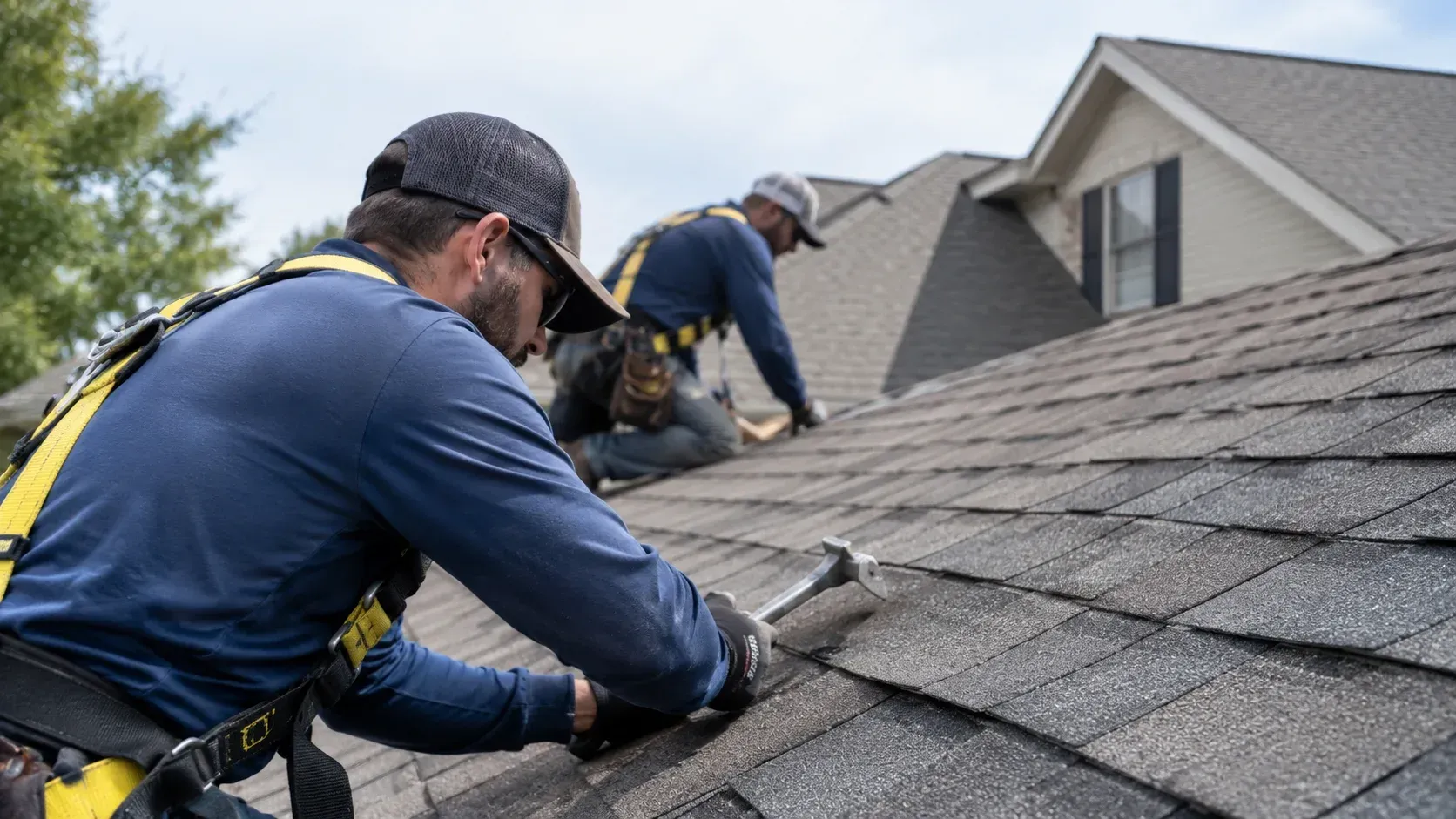
Steep roofs slow everything down. Crews work more carefully and use fall protection, which is the right call for safety but adds hours. A very steep roof can take noticeably longer than a low-slope roof of equal size.
Roofing material
Material is one of the biggest timeline variables:
- Asphalt shingles install fastest and are the most common local choice.
- Metal roofing takes longer because panels are measured, cut, and fastened with more precision.
- Tile and stone-coated products are heavier and slower to install, and may need structural checks first.
Extent of existing damage
If tear-off reveals rotted decking, damaged fascia, or old water damage, that has to be fixed before new roofing goes on. This protects the new roof but adds time, which is one reason a thoroughroof inspection beforehand helps set realistic expectations.
The Roof Replacement Process, Step by Step
Knowing the sequence makes the timeline easier to follow.
1. Inspection and estimate. A roofer assesses the roof, measures it, checks the decking and flashing, and provides a written estimate. This usually happens days before any work.
2. Material selection and ordering. You choose the material and color. Common asphalt shingles are often in stock locally, while metal, tile, or special-order colors can add lead time.
3. Permitting. Depending on the scope and local requirements, a permit may be needed. This is handled before work starts and can add a few days.
4. Preparation and delivery. Materials are delivered, the yard and landscaping are protected, and a dumpster or debris trailer is positioned.
5. Tear-off. The old roofing is removed down to the decking. The deck is inspected, and any damaged wood is replaced.
6. Installation. Underlayment, flashing, and the new roofing go on in sequence. This is the main working stretch, usually one to two days.
7. Cleanup and final inspection. The crew clears debris, runs a magnet for stray nails, and inspects the finished roof. A final walkthrough confirms the work is complete.
Why Weather Plays Such a Large Role Here
Weather is the factor most likely to move your date, and Amarillo has plenty of it.
Roofing needs dry, reasonably calm conditions. Crews should not install on a wet deck, since trapped moisture can cause problems later, and high wind makes handling materials unsafe and imprecise. A responsible crew will pause rather than rush a job in bad conditions.
The Panhandle adds specific challenges. Spring and early summer bring the region's active hail and thunderstorm season, exactly when many homeowners are getting roofs replaced after storm damage. High winds can appear on otherwise clear days and interrupt work.
Because of this, a little schedule flexibility is normal and healthy. A crew that stops for weather is protecting the quality of your roof, not falling behind. Building a buffer into your expectations reduces frustration when a storm rolls through mid-project.
What Can Cause Unexpected Delays
Even a well-planned project can shift for reasons outside anyone's control.
Hidden structural damage. Rotted decking or damaged framing found at tear-off must be repaired first. This is common on older roofs and adds time and cost.
Material availability. Standard shingles are usually stocked, but specialty materials, specific colors, or high demand after a regional hailstorm can delay delivery.
Post-storm demand. After a major hail event, local crews get booked quickly. Getting on the schedule can take longer during peak season than in a quiet stretch.
Permit processing. Permit turnaround varies and can occasionally add days.
Insurance coordination. If the work involves an insurance claim, adjuster visits and approvals add steps before installation can begin.
None of these mean something is wrong. A roofing contractor who explains delays clearly and keeps you informed is behaving normally. One that goes quiet or rushes past safety concerns is the one to question.
How to Help the Project Run Smoothly
You can do a few things to keep your project on track.
- Schedule the inspection and estimate early, before you are in a hurry.
- Choose your material and color promptly to avoid ordering delays.
- Clear the driveway and move vehicles away from the work area.
- Secure or remove fragile items from walls and shelves, since tear-off causes vibration.
- Keep pets and children indoors and away from the work zone.
- Ask your roofer for a realistic window rather than a single fixed day, given weather.
Clear communication with your roofing contractor at the start prevents most surprises later.
Conclusion
A typical roof replacement in Amarillo involves one to three days of active work, inside a full project window of roughly one to three weeks. The exact timeline depends on your roof's size and pitch, the material you choose, the condition of the decking underneath, and the weather during your project.
The most useful takeaway is that the crew's time on your roof is only part of the story. Inspection, material ordering, permits, and weather all shape the real schedule. Homeowners who understand that full picture can plan around the work with far less stress and judge for themselves whether a project is moving at a reasonable pace.
Talk Through Your Project Timeline
If you are planning a replacement and want a timeline based on your actual roof, a conversation with a local roofer is the clearest place to start. Elevated Roofing and Construction providesroofing services
throughout Amarillo and the surrounding Panhandle, and can assess your roof's size, condition, and material options to give you a realistic window for your home. There is no obligation in asking, and a clear estimate is simply information to help you plan.
Frequently Asked Questions
How long does a roof replacement take in Amarillo, TX?
Most residential replacements take one to three days of on-site work. The full process, including inspection, permits, material ordering, and weather scheduling, usually spans one to three weeks.
Can a roof be replaced in one day?
Yes, many standard asphalt shingle roofs on average-sized homes are replaced in a single day. Larger roofs, steep pitches, premium materials, or hidden damage typically extend the work beyond one day.
Does weather delay roof replacement in the Texas Panhandle?
Often, yes. Rain, high wind, and storms can pause installation, and a responsible crew will not roof in unsafe or wet conditions. Some schedule flexibility during Amarillo's stormy months is normal.
What slows down a roof replacement the most?
Roof size and pitch, material choice, weather, and hidden decking damage found during tear-off are the main factors. Permit processing and post-storm demand can also add time.
Do I need to leave my home during a roof replacement?
Usually not. Most homeowners stay home, though the work is noisy and causes vibration. Moving vehicles, securing fragile items, and keeping pets indoors makes the experience easier.
How long does the tear-off part take?
Tear-off of an average roof often takes a few hours to most of a day, depending on size, the number of existing layers, and how much decking repair is needed underneath.
Why does my project timeline include weeks when the work only takes days?
The active roofing work is short, but the full timeline includes inspection, estimating, material ordering, permits, and scheduling around weather and crew availability, which spread the project across a longer window.
Related Posts