What Should You Do If Your Roof Is Leaking During a Storm in Amarillo, Texas?
August 13, 2026
Your roof is one of the most vital components of your home, providing protection against the elements and contributing significantly to your property's curb appeal. However, like any part of your home, roofs don't last forever. Knowing the signs that indicate it's time for a roof replacement can save you from costly repairs or potential damage to your home. At Elevated Roofing and Construction in Amarillo, TX, we are your trusted partners in determining when a roof replacement is necessary. Below, we outline key indicators that it might be time to replace your roof.
1. Age of Your Roof
The longevity of a roof largely depends on the materials used. Asphalt shingle roofs typically last 20-25 years, while metal roofs can last longer. If your roof is nearing the end of its lifespan, it's wise to start considering a replacement. Proactively replacing an aging roof can prevent leaks and structural damage.
2. Frequent Repairs
If you're constantly calling for repairs, it might be more cost-effective to replace the entire roof. Ongoing repairs can add up and still leave you with an unreliable roofing system. Our team can help you weigh the cost of repairs versus a new roof to make the best decision for your home.
3. Visible Shingle Damage
Inspect your roof periodically for signs of wear and tear. Look for shingles that are curled, cracked, or missing altogether. These are signs that your shingles have reached the end of their life cycle and are no longer providing the protection your home needs.
4. Roof Leaks and Water Damage
Water stains on ceilings or walls inside your home are clear indicators of a roof leak. If you've noticed water damage or signs of mold and mildew, it's critical to address the issue immediately to prevent further damage to your home’s interior.
5. Sagging Roof
A sagging roof is a serious issue that indicates structural problems. If you notice any part of your roof sagging, it's crucial to address it immediately to prevent further structural failure. This often requires a full roof replacement to ensure your home’s safety.
6. Granules in Gutters
As shingles age, they lose their granules, which often end up in your gutters. If you notice a significant amount of granules in your gutters, it could be a sign that your shingles are deteriorating and need replacing.
7. Increased Energy Bills
A well-insulated roof can help regulate your home's temperature. If you've noticed an unexplained increase in your energy bills, your roof might not be insulating effectively. This can often be mitigated by a new roof with better insulation properties.
8. Moss or Algae Growth
While moss and algae growth can sometimes be cleaned off, persistent growth might be a sign that moisture is being trapped in your roof, which can lead to structural damage. If moss and algae are constantly reappearing despite cleaning, a roof replacement might be necessary.
9. Storm Damage
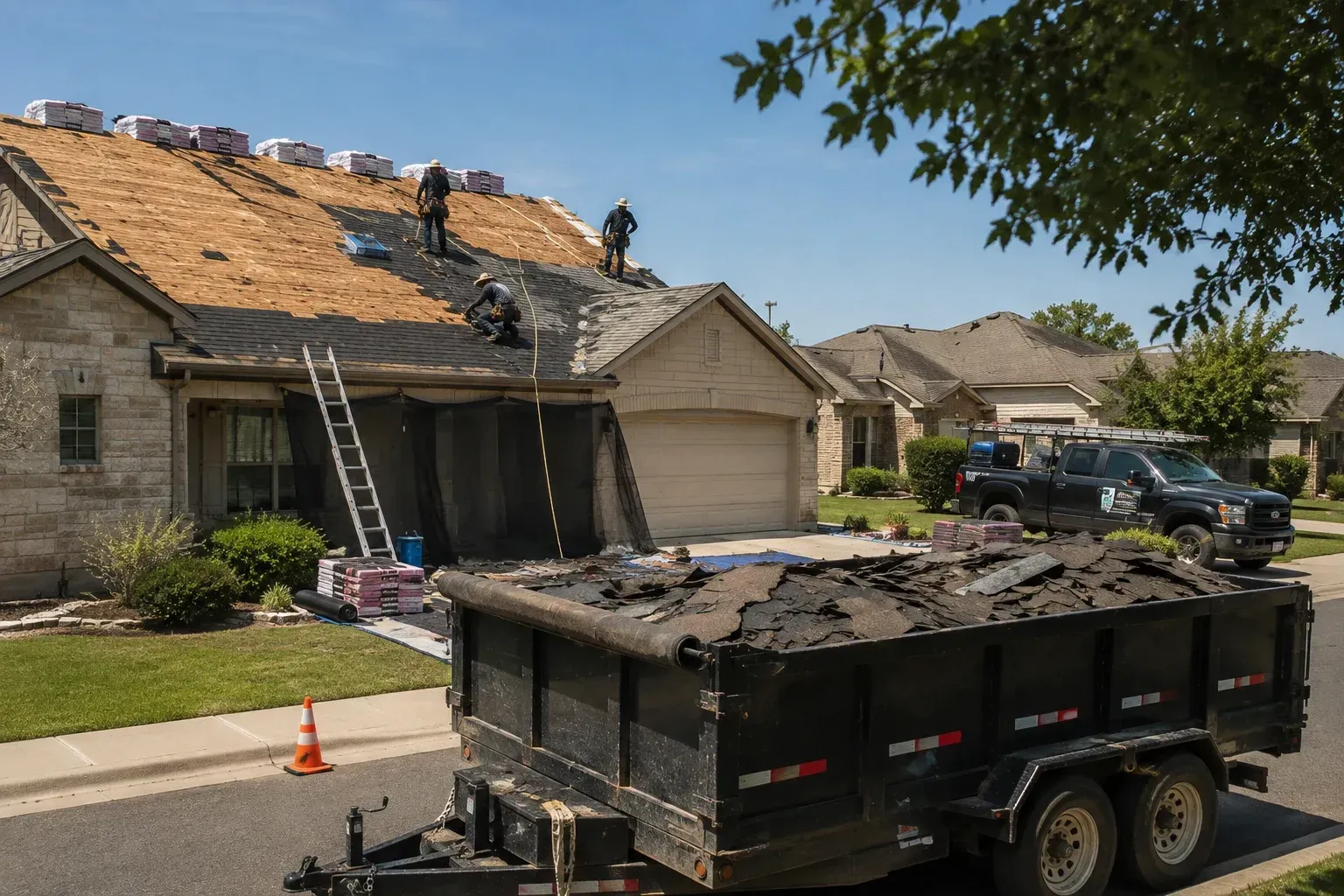
After severe weather events, like hailstorms or high winds, it's essential to inspect your roof. Storm damage can be extensive and often requires professional evaluation. Elevated Roofing and Construction can inspect your roof for damage and recommend whether repairs or a full replacement are needed.
10. Sunlight through Roof Boards
If you can see sunlight shining through your roof boards in the attic, it's a clear indication that your roof has holes or gaps. This type of damage allows in water and pests, necessitating an urgent replacement.
Act Now to Protect Your Home
If you've noticed any of these signs, it's crucial to contact a professional roofing company that can provide a thorough evaluation. Delaying roof replacement can lead to significant structural damage and costly repairs down the line. Elevated Roofing and Construction is here to assist you every step of the way, offering expert assessment and high-quality roof replacement services in Amarillo, TX, and surrounding areas.
Why Choose Elevated Roofing and Construction?
Our experienced team is dedicated to providing superior craftsmanship and exceptional customer service. We use only premium materials and advanced techniques to ensure your new roof stands the test of time. Plus, we work closely with your insurance company to make the process as seamless as possible.
Don't wait until a minor roofing issue becomes a major problem. Contact Elevated Roofing and Construction today to schedule your roof inspection. Visit our website at www.elevatedroofingtx.com or call us at (806) 738-4082. Let us help you protect your home with a reliable and beautiful new roof. Your dream roof is just a call away!
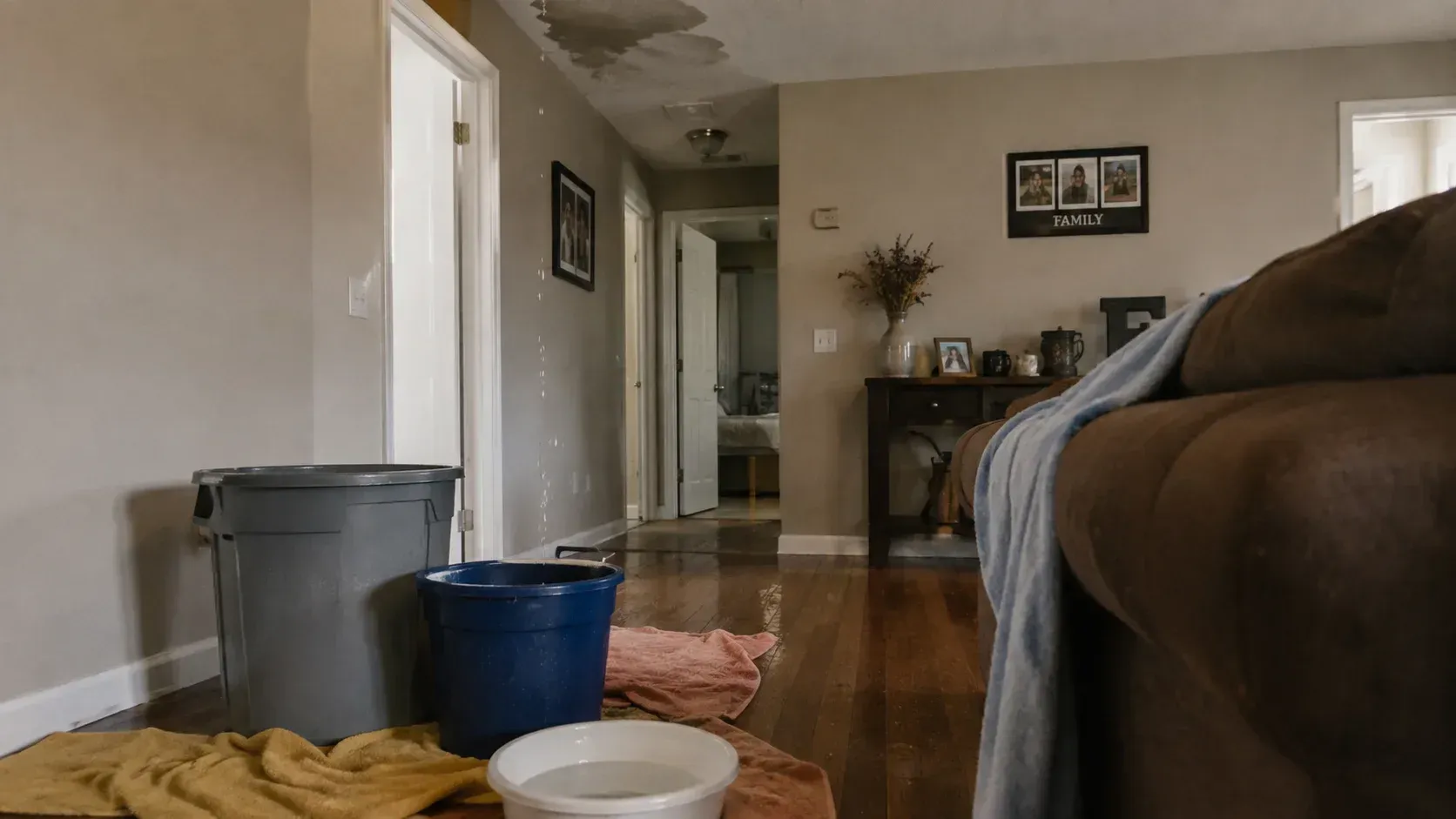
Table of Contents
- First Steps When Your Roof Leaks During a Storm
- How to Contain the Leak Safely From Inside
- What Not to Do During the Storm
- Documenting the Damage for Repairs and Insurance
- Common Causes of Storm-Related Roof Leaks in Amarillo
- When and Why to Call a Professional
- Conclusion
- Get Your Roof Assessed After the Storm
- Frequently Asked Questions
Key Takeaways
- Your first priority is safety. Stay off the roof during a storm and keep away from any area where water is near light fixtures or outlets.
- Contain the leak from inside by catching water, moving belongings, and relieving pressure from a bulging ceiling.
- Document everything with photos and notes as it happens, since this record helps with both repairs and insurance claims.
- Most storm leaks cannot be safely fixed until the weather clears, so containment now and a professional inspection after the storm is the realistic path.
- Acting quickly limits water damage, since even a small leak can spread into insulation, drywall, and framing if left alone.
Introduction
If your roof is leaking during a storm, focus first on safety and containing the water inside, then arrange a professionalroof repair assessment once the weather clears. Do not go up on the roof mid-storm, since a wet, wind-hit roof is one of the most dangerous places you can be.
This matters because Amarillo sits in an active storm and hail region, and roof leaks here often show up during the worst possible conditions. How you respond in the first few minutes affects how much of your ceiling, insulation, and belongings you can save. The goal is to limit the damage safely now and set up a proper repair later, not to fix the roof in the middle of a downpour.
This guide walks through what to do step by step, what to avoid, and how to prepare for the repair that follows.
First Steps When Your Roof Leaks During a Storm
When water starts coming through the ceiling, a calm, ordered response protects both you and your home.
Move people and pets away from the area. Wet ceilings can sag and give way, and water near electrical fixtures is a shock hazard.
Cut power to the affected area if water is near outlets or lights. If you can safely reach your breaker panel, switch off the circuit for that room. If you are unsure, leave it and stay clear.
Protect what you can reach quickly. Move furniture, electronics, and valuables out of the drip zone, or cover them with plastic sheeting or a tarp.
Start catching the water. Place buckets, bins, or towels under the leak, and lay towels around the edges to keep water from spreading across the floor.
Speed matters here, but not at the cost of safety. Everything in this stage happens from inside the house.
How to Contain the Leak Safely From Inside
Containing a leak is about limiting how far the water travels while the storm continues.
If you see a bulge or sagging spot in the ceiling, water is pooling above it. A pooling ceiling can collapse suddenly and dump gallons at once. Placing a bucket underneath and carefully piercing the low point of the bulge with a small screwdriver lets the water drain in a controlled stream instead. Only do this if you can reach it safely from the floor or a stable step.
Empty containers before they overflow, and swap in dry towels as they soak through. If water is running down a wall, follow it to where it collects and place containers there too.
For a leak coming through a ceiling light fixture, treat the whole circuit as unsafe until the power is off and the area has dried. Water and electricity together are the most serious risk in this situation.
What Not to Do During the Storm
Some instincts make things worse. A few things to avoid:
Do not climb onto the roof. This is the single most important rule. Wet roofing is slick, wind is unpredictable, and hail or lightning can be present. No leak is worth a fall from a roof.
Do not try a permanent fix mid-storm. Sealants and patches will not bond to a wet surface, and the effort puts you at risk for no lasting benefit.
Do not ignore a small drip. A slow leak still soaks insulation and framing. Even if it seems minor, note it and have it inspected once the storm passes.
Do not delay the cleanup once it is safe. Standing water and damp materials can lead to mold within a day or two, so drying out the area promptly matters.
If a tarp is needed on the roof, that is work for a professional with the right equipment, done after conditions are safe.
Documenting the Damage for Repairs and Insurance
While the leak is active and just after, gather a clear record. This helps your roofer diagnose the problem and supports any insurance claim you file.
- Take photos and short videos of the leak, the water path, and any damaged belongings.
- Note the date, time, and weather conditions when the leak started.
- Keep receipts for anything you buy to manage the damage, such as tarps or buckets.
- Do not throw away damaged items until they have been documented.
Most homeowner policies cover sudden storm-related damage, though coverage varies and claims often have deadlines. If you plan to file, understanding yourroofing insurance claims options early makes the process smoother. Your roofer can often document the storm damage during the inspection in a way that supports the claim.
Common Causes of Storm-Related Roof Leaks in Amarillo
Understanding why storms cause leaks here helps you describe the problem and prevent repeats.
Hail damage
The Panhandle's frequent hail cracks shingles and knocks loose the protective granules that shield the roof. Damage may not leak immediately, then open up during the next heavy rain.
Wind damage
Amarillo's high winds lift and tear shingles, especially along edges and ridges, and can loosen flashing. Once a shingle or flashing piece is displaced, water has a direct path in.
Failed flashing
Flashing seals the joints around chimneys, vents, and skylights, and it is a common leak point. Storms stress these seams, and older or poorly installed flashing gives way first.
Aging or worn roofing
An older roof near the end of its life has less margin. What a newer roof would shrug off can become a leak on a worn one, which is why storm season is hard on aging roofs.
When and Why to Call a Professional
Once the storm passes, a professional assessment is the responsible next step, even if the leak seems to have stopped.
A stopped drip does not mean the problem is gone. Water can sit in the roof structure, spread sideways, and reappear elsewhere later. A trained inspector finds the entry point, checks the decking and insulation for hidden moisture, and identifies damage you cannot see from the ground.
Timing matters for two reasons. First, prompt repair limits how far water damage spreads into drywall, insulation, and framing. Second, if you are filing a claim, damage documented soon after the storm is easier to connect to that specific event.
After major hail events, out-of-town crews often canvass Amarillo neighborhoods. It is reasonable to work with an established local company and to ask for photos of any damage before agreeing to repairs. A trustworthy roofer offeringroofing services in the area explains what they find rather than pressuring you toward a decision.
Conclusion
If your roof leaks during a storm, the safe sequence is clear: protect people first, contain the water from inside, document the damage, and arrange a professional inspection once the weather clears. Climbing onto a wet, storm-hit roof is never the answer, and no permanent repair will hold mid-storm anyway.
Amarillo's hail and wind make storm leaks a real possibility for local homeowners, so knowing these steps ahead of time is worth it. A calm, safety-first response limits the damage and sets up a proper repair, and that combination is what protects both your home and the people in it.
Get Your Roof Assessed After the Storm
If a storm has left your roof leaking or you suspect hidden damage, a post-storm inspection is a straightforward way to understand what you are dealing with. Elevated Roofing and Construction providesroof inspection and repair services across Amarillo and the surrounding Panhandle, and can document any storm damage clearly for both repair planning and insurance purposes. There is no obligation in asking, and an honest assessment is simply information to help you decide your next step.
Frequently Asked Questions
What should I do first if my roof leaks during a storm?
Move people and pets away from the area, cut power to the affected room if water is near outlets or lights, then contain the water with buckets and towels. Stay inside and off the roof until the storm passes.
Should I go on the roof to stop a leak during a storm?
No. A wet, wind-exposed roof is extremely dangerous, and hail or lightning may be present. Any roof-level work, including tarping, should be left to a professional after conditions are safe.
How do I stop a ceiling from bulging with water?
Place a bucket underneath and carefully pierce the lowest point of the bulge with a small screwdriver to release the water in a controlled stream. Only do this if you can reach it safely from the floor.
Does homeowners insurance cover storm-related roof leaks?
Many policies cover sudden storm damage, but coverage and deadlines vary by policy. Documenting the damage with photos and notes right away, and reviewing your policy, helps you understand your options.
Why is my roof leaking only during heavy rain?
Storm leaks often come from hail cracks, wind-lifted shingles, or failed flashing that only let water in under heavy or wind-driven rain. The damage can be present for a while before it produces a visible leak.
How soon should I get my roof inspected after a storm leak?
As soon as it is safe. Prompt inspection limits how far water spreads inside the home, and damage documented soon after the storm is easier to connect to that event for an insurance claim.
Can a small roof leak wait until later?
It is not advisable. Even a small leak soaks insulation and framing and can lead to mold within a day or two. Containing it and scheduling an inspection promptly is the safer approach.
Related Posts