Maximize Energy Efficiency with Stone-Coated Metal Roofing
July 28, 2023
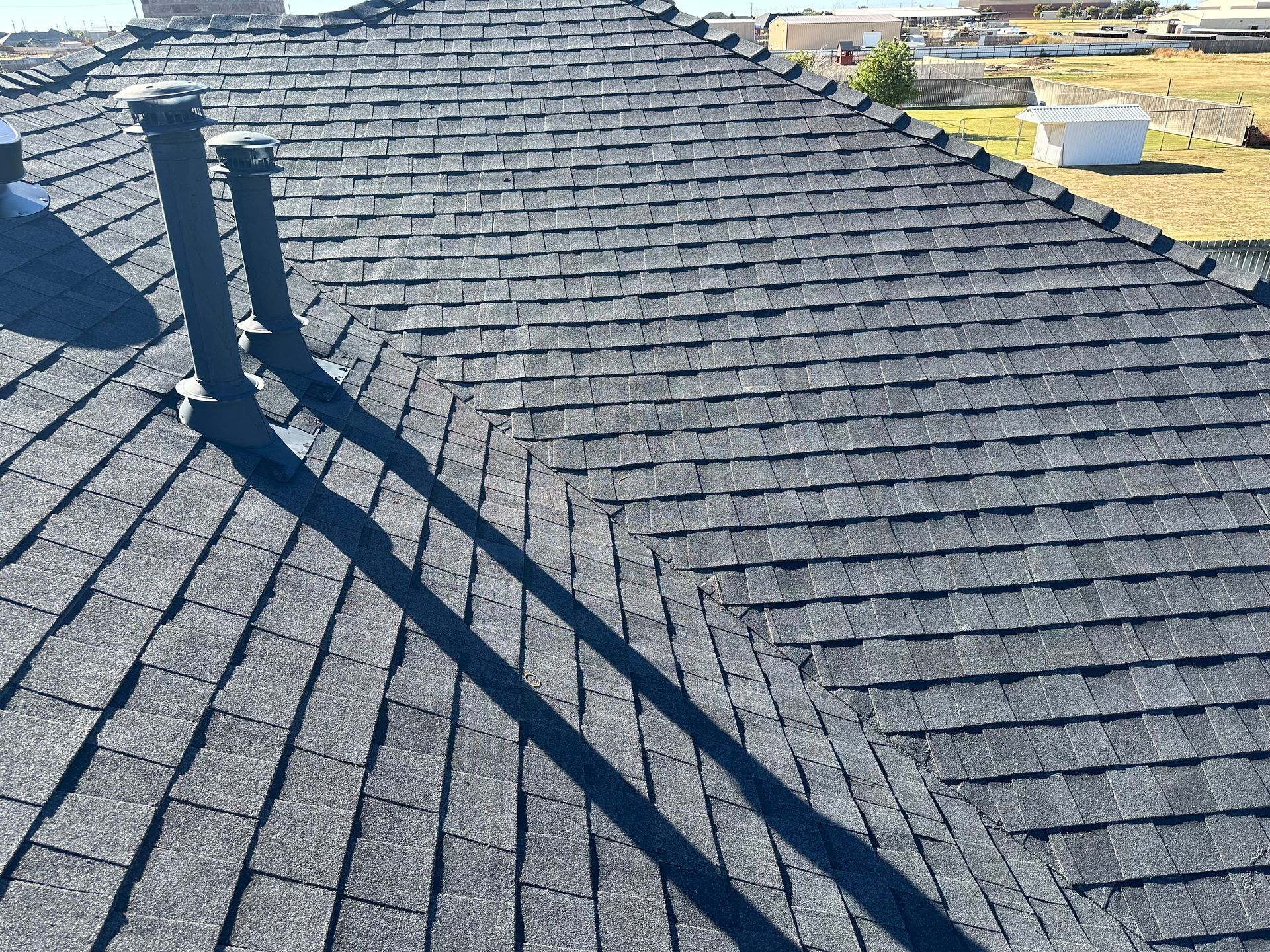
Table of Contents
- Introduction
- What Makes Stone-Coated Metal Roofing Energy Efficient?
- How Stone-Coated Metal Roofing Handles Amarillo Weather
- Where the Energy Benefits Actually Come From
- Why Longevity Matters to Overall Roof Value
- Installation Details That Can Affect Roof Performance
- What to Evaluate Before Choosing Stone-Coated Metal Roofing
- Common Roofing Advice That Misses the Bigger Picture
- Is Stone-Coated Metal Roofing Right for Your Amarillo Home?
- Conclusion
- Frequently Asked Questions
Key Takeaways
- Stone-coated metal roofing can help limit solar heat gain and support better energy performance during Amarillo's hot summers.
- Energy efficiency depends on the entire roofing assembly—not just the material covering the roof.
- Ventilation, insulation, underlayment, installation quality, and roof finish can all influence how a roof performs.
- A long service life can make stone-coated metal roofing a worthwhile long-term investment.
- Amarillo homeowners should compare durability, energy performance, maintenance, appearance, and total cost rather than choosing a roof based solely on its upfront price.
Introduction
Stone-coated metal roofing can improve energy efficiency by limiting solar heat absorption, making it a potentially strong roofing choice for Amarillo homes exposed to intense Texas sun. The material combines a metal base with a stone-coated surface, providing the durability associated with metal while offering the appearance of traditional shingles or tile.
However, the material alone does not determine how efficiently a roof performs. Attic ventilation, insulation, underlayment, roof color, installation quality, and the condition of the existing roof all matter. For homeowners considering a long-term upgrade, stone-coated metal roofing can be evaluated as part of a complete roofing system rather than as an isolated product.
What Makes Stone-Coated Metal Roofing Energy Efficient?
Stone-coated metal roofing is designed to combine a durable metal substrate with a protective stone coating. That construction gives homeowners an alternative to conventional asphalt shingles while allowing the roof to maintain a more traditional appearance.
From an energy standpoint, the biggest consideration is how much solar heat the roof absorbs and transfers into the structure.
A properly selected roofing system can help by:
- Reflecting some incoming solar energy
- Reducing heat absorption at the roof surface
- Working with attic ventilation to release accumulated heat
- Supporting the use of reflective underlayment and insulation
- Maintaining performance over a long service life
This distinction is important because simply installing a metal roof does not guarantee a dramatic reduction in energy bills. The roof must work together with the rest of the building envelope.
How Stone-Coated Metal Roofing Handles Amarillo Weather
Amarillo homeowners have to think about more than summer temperatures when selecting roofing materials.
The Texas Panhandle can expose a roof to:
- Intense sunlight
- High winds
- Hail
- Heavy rain
- Rapid temperature fluctuations
- Freezing conditions
That makes durability particularly important.
A roofing material that performs well under repeated weather exposure can reduce the likelihood of premature replacement. That matters environmentally and financially because replacing a roof involves new materials, labor, transportation, and disposal.
Homeowners can also benefit from understanding how seasonal weather affects Texas roofing systems, particularly when planning inspections and maintenance around Amarillo's changing conditions.
Where the Energy Benefits Actually Come From
It's easy to say that a metal roof is “energy efficient,” but that explanation leaves out several important pieces.
Reflective Performance
The roof's finish influences how much sunlight is absorbed. A suitable reflective finish can help reduce heat gain during periods of intense sun.
Attic Ventilation
Ventilation allows accumulated heat and moisture to escape from the attic. Without adequate airflow, a high-performing roofing material may not deliver its full potential.
Insulation
Insulation slows heat transfer between the attic and the living space. If attic insulation is inadequate, changing the roof material alone may produce disappointing results.
Underlayment
The components installed beneath the visible roofing material contribute to moisture management and the overall performance of the roofing assembly.
Installation Quality
Gaps, improperly installed flashing, inadequate ventilation, or poorly handled roof penetrations can undermine an otherwise quality roofing system.
The takeaway is simple: energy efficiency comes from the system, not just the label on the roofing material.
Why Longevity Matters to Overall Roof Value
Energy efficiency is only one part of the investment.
The original information provided for this article states that stone-coated metal roofing can have a potential lifespan of 40 to 70 years, depending on the product and conditions.
That longevity can be significant for homeowners who intend to remain in their property for many years. A roof that lasts substantially longer can reduce the frequency of replacement and the associated material and installation costs.
But homeowners should avoid treating a stated lifespan as a guarantee. Actual performance depends on the product, installation, weather exposure, maintenance, and other property-specific factors.
That is why ongoing evaluation still matters. Learning why regular roof inspections help identify problems before they become expensive can help homeowners protect the investment they're making in a longer-lasting roofing system.
Installation Details That Can Affect Roof Performance
A premium roofing product cannot compensate for poor installation.
Before installation begins, homeowners should understand how the contractor intends to address:
- Existing roof damage
- Roof-deck condition
- Underlayment
- Flashing
- Roof penetrations
- Ventilation
- Insulation
- Fasteners and attachment
- Drainage
What can go wrong?
One common mistake is focusing almost entirely on the visible roofing material.
A homeowner may spend considerable time choosing the color and style while overlooking the condition of the roof deck or attic ventilation. Those less-visible components can have a major effect on the final performance of the roof.
Another mistake is assuming that a new roof automatically solves existing moisture or ventilation problems. If those issues are not identified before installation, they can continue beneath the new roofing system.
What we would never recommend: selecting a roofing system solely because someone promises a specific reduction in energy bills. Actual savings vary based on the home's construction, insulation, ventilation, weather exposure, energy use, and other factors.
What to Evaluate Before Choosing Stone-Coated Metal Roofing
Before committing to stone-coated metal roofing, Amarillo homeowners should look at the entire project rather than simply comparing material prices.
Start with the existing roof
Determine whether the current roof has widespread deterioration, storm damage, recurring leaks, or structural concerns.
Evaluate the attic
Ask whether ventilation and insulation are adequate. These components can influence comfort and energy performance regardless of the roofing material selected.
Consider long-term ownership
If you plan to stay in the home for decades, longevity may carry considerably more weight than it would for someone planning to sell soon.
Compare appearance
Stone-coated metal products can reproduce the look of traditional shingles or tile, giving homeowners more design flexibility than some conventional metal roofing systems.
Compare total value
Look beyond installation price and consider expected lifespan, maintenance, durability, energy performance, and replacement frequency.
Common Roofing Advice That Misses the Bigger Picture
A lot of generic roofing advice reduces the decision to one question:
“Which material is most energy efficient?”
That's not enough.
A better question is:
“Which roofing system gives this particular home the combination of energy performance, durability, weather resistance, maintenance requirements, and long-term value I need?”
For an Amarillo homeowner, that distinction matters.
A highly reflective roof will not automatically solve an inadequately ventilated attic. A durable material will not compensate for poor installation. And a long projected lifespan does not eliminate the need for maintenance.
The strongest decisions come from looking at the roof as a complete system.
Is Stone-Coated Metal Roofing Right for Your Amarillo Home?
Stone-coated metal roofing may be worth considering if you:
- Want a long-term roofing solution
- Expect to remain in your home for many years
- Want a traditional shingle or tile appearance
- Are concerned about intense Texas sunlight
- Prefer a roofing material with low routine maintenance needs
- Want to evaluate durability alongside energy performance
It may not be the right choice for every homeowner, particularly if the primary objective is simply minimizing the initial installation cost.
The appropriate material should ultimately depend on the property's condition, budget, design preferences, and long-term goals.
A Better Way to Think About Energy-Efficient Roofing
The most useful lesson for homeowners is that energy efficiency should be evaluated before, during, and after installation.
Before installation, determine what is causing heat or moisture problems.
During installation, make sure the roofing assembly is properly detailed.
After installation, maintain the roof and address problems before they become larger failures.
For example, homeowners preparing for colder weather can use a pre-winter roof maintenance checklist to address gutters, attic conditions, flashing, and other vulnerable areas before winter weather arrives.
This approach is more useful than simply buying a product advertised as “energy efficient.”
Conclusion
Stone-coated metal roofing can be an energy-conscious, durable option for Amarillo homeowners, particularly when the roof is properly designed and installed. Its potential benefits extend beyond heat management to include longevity, appearance, and reduced maintenance.
But the material is only one part of the equation. Ventilation, insulation, underlayment, flashing, installation quality, and ongoing maintenance all influence how the finished roof performs.
For that reason, homeowners should evaluate stone-coated metal roofing as a complete roofing system and compare its long-term value with other options before making a decision.
Stone-Coated Metal Roofing in Amarillo: Plan Your Roof Upgrade
If your Amarillo-area home needs a new roof and you're weighing durability, energy performance, and appearance, the first step is understanding what your existing property actually needs.
A professional assessment can help you determine whether stone-coated metal roofing is appropriate and which components of the roofing system should be addressed before installation. When you're ready to discuss the project, schedule a roofing consultation for your Amarillo home with Elevated Roofing and Construction.
Frequently Asked Questions
Is stone-coated metal roofing energy efficient?
Yes. Stone-coated metal roofing can help limit solar heat absorption and support better energy performance, particularly when combined with proper insulation and attic ventilation.
How long does stone-coated metal roofing last?
The source material indicates a potential lifespan of approximately 40 to 70 years. Actual lifespan depends on the specific product, installation, maintenance, and weather exposure.
Is stone-coated metal roofing suitable for Amarillo weather?
It can be. Its durability makes it an option worth considering in a region exposed to intense sun, high winds, hail, rain, and temperature changes.
Will a stone-coated metal roof automatically lower my energy bills?
Not necessarily. Energy savings depend on multiple factors, including the roofing finish, insulation, ventilation, home construction, weather, and household energy use.
Does stone-coated metal roofing require maintenance?
Yes. Although it can require less routine maintenance than some roofing materials, homeowners should still arrange inspections and address damage or developing problems promptly.
Related Posts