Preventing Ice Dams on Texas Roofs: Christmas Safety Tips for Homeowners
May 14, 2024
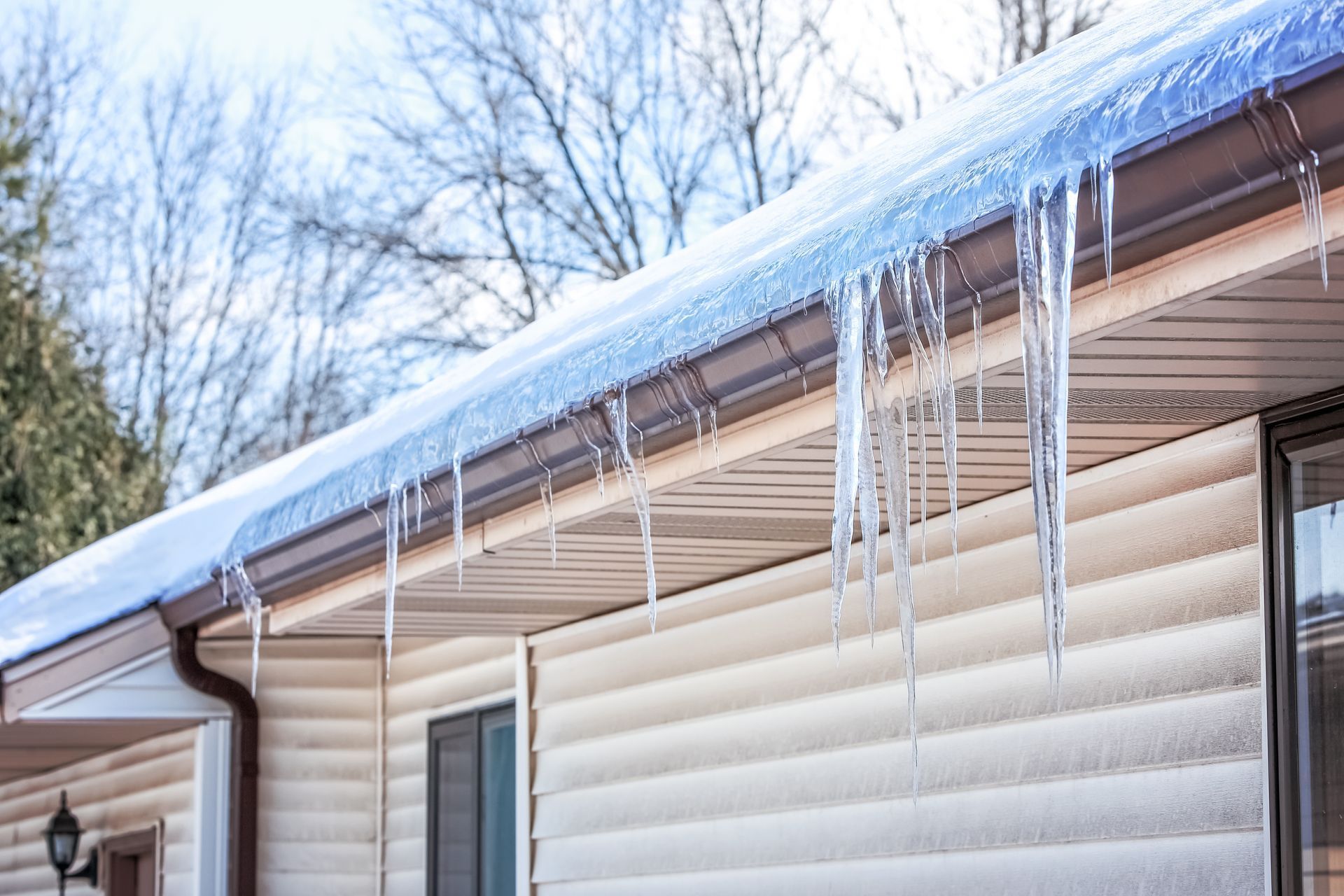
Table of Contents
- Introduction
- Why Ice Dams Still Matter in the Texas Panhandle
- How Ice Dams Form on Amarillo Roofs
- How to Prevent Ice Dams Before Winter
- Christmas Roof and Holiday Lighting Safety
- Common Ice-Dam Prevention Mistakes
- What to Do When Ice or Winter Leaks Appear
- When to Schedule a Roof Inspection
- Practical Winter Roofing Lessons for Amarillo Homeowners
- Conclusion
- Christmas Roof Safety and Inspection
- Frequently Asked Questions
Key Takeaways
- Ice dams are uncommon in Texas, but sudden freezes, snow, and freezing precipitation can create the right conditions for them.
- Proper attic insulation and ventilation can help reduce uneven roof temperatures that contribute to ice-dam formation.
- Clear gutters, functioning drainage, and timely roof repairs are important before winter weather arrives.
- Holiday decorations can create additional roof and ladder hazards when installed improperly.
- Breaking ice with tools or climbing onto an icy roof can damage the roof and put homeowners at serious risk.
- The most effective winter strategy is to correct underlying roof and attic problems before freezing weather arrives.
Introduction
Texas homeowners can reduce the risk of ice dams by preparing their roof, attic, and drainage system before freezing weather arrives. Although Amarillo and the surrounding Texas Panhandle don't experience the prolonged snow seasons associated with northern states, sudden cold fronts, snow, sleet, and rapid temperature changes can still create short-lived conditions that allow ice dams to form.
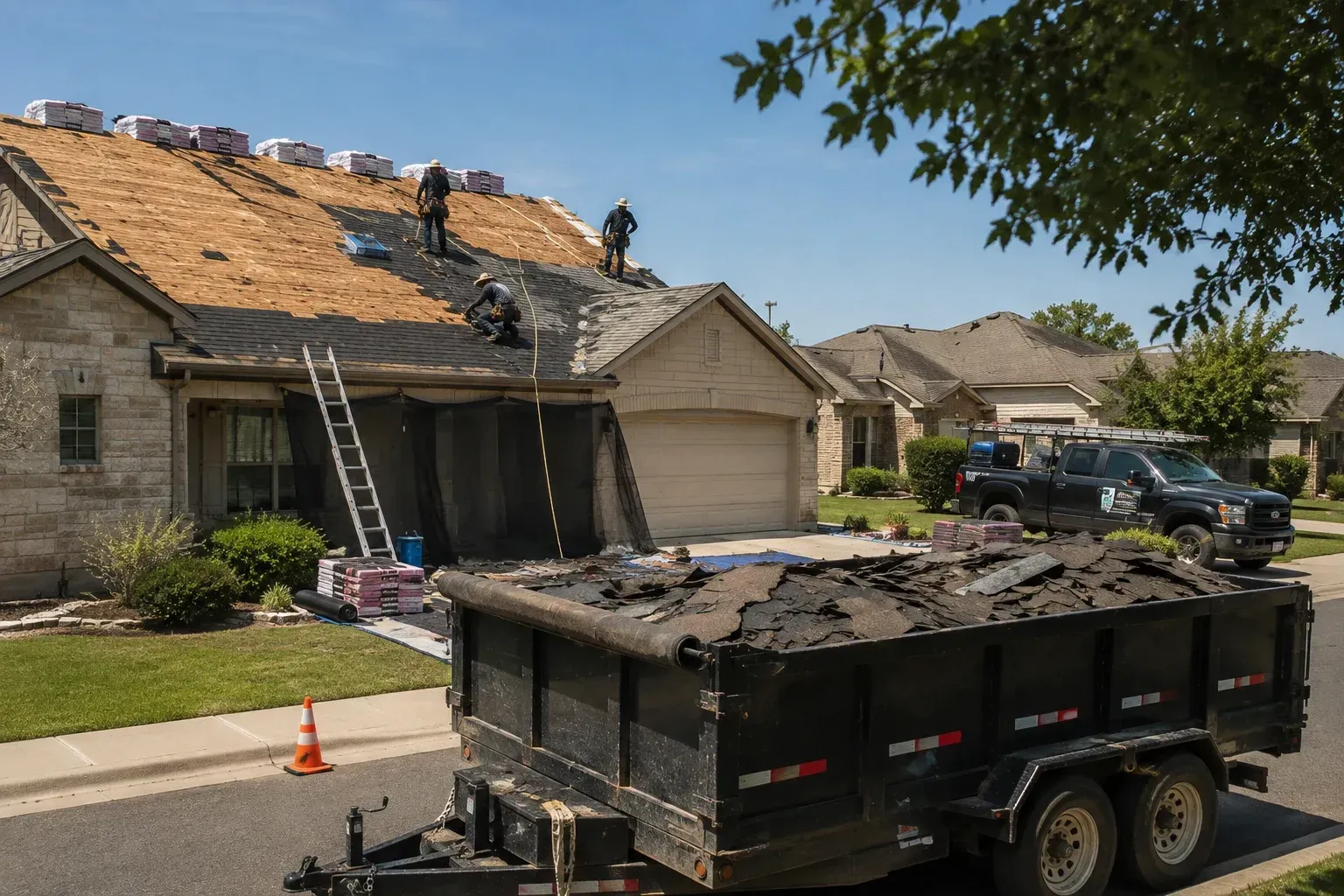
Before winter arrives, homeowners should address damaged roofing materials, drainage problems, and attic issues rather than waiting until freezing weather exposes them. A professional residential roofing inspection and maintenance service can help identify vulnerabilities that aren't always obvious from the ground.
The important point is that ice-dam prevention in Amarillo isn't about preparing for months of snow. It's about making sure the roof is ready when an unusually cold or wet weather pattern arrives.
Why Ice Dams Still Matter in the Texas Panhandle
An ice dam forms when snow or ice melts on a warmer portion of the roof and then refreezes along a colder roof edge. As the ice accumulates, it can restrict normal drainage and create an opportunity for water to move beneath roofing materials.
This is relatively uncommon in Texas because the necessary combination of snow, freezing temperatures, and repeated freeze-thaw cycles doesn't occur as consistently as it does farther north.
But "uncommon" doesn't mean "impossible."
Amarillo homeowners can experience abrupt temperature changes during winter. A roof that handles normal cold weather without difficulty can encounter problems when melting snow or ice is followed by a hard freeze.
That makes pre-winter roof maintenance worthwhile even when a major snowstorm isn't in the forecast.
The same preparation can also help identify other issues caused by the Texas Panhandle's year-round exposure to wind, hail, heat, and moisture.
How Ice Dams Form on Amarillo Roofs
Ice-dam formation usually follows a predictable sequence.
1. Heat moves into the attic
Warm air from the home can reach the attic when insulation, air sealing, or other components aren't performing properly.
2. Snow or ice melts unevenly
Warmer areas of the roof can cause accumulated snow or ice to melt while colder sections remain frozen.
3. Meltwater moves toward the roof edge
The water flows downward toward the eaves.
4. The water refreezes
When the meltwater reaches a colder portion of the roof, it can freeze again.
5. Ice accumulates
Repeated melting and refreezing can create an ice buildup along the roof edge.
6. Drainage becomes restricted
Additional meltwater may have difficulty reaching the gutter system, increasing the possibility of water backing up beneath roofing materials.
This is why simply removing visible ice doesn't necessarily solve the underlying problem. The roof and attic conditions that allowed uneven melting need to be considered as well.
How to Prevent Ice Dams Before Winter
1. Have the Roof Checked Before Freezing Weather
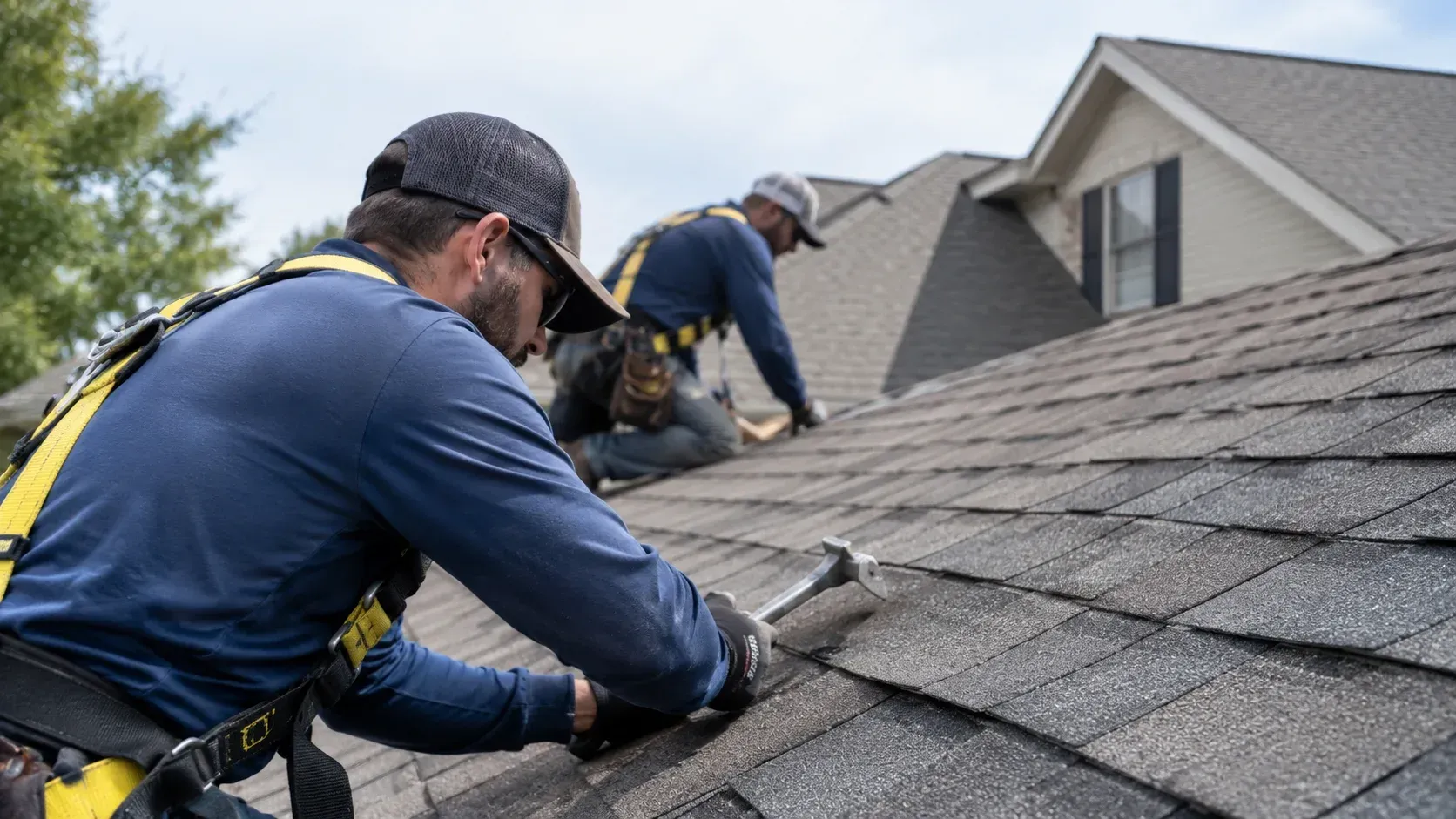
A professional roof inspection can identify damaged shingles, deteriorated flashing, roof penetrations, and other vulnerabilities before winter weather puts additional stress on the system.
This is particularly useful for homes that have experienced wind or hail during the year.
A roof doesn't have to be visibly leaking for an inspection to be worthwhile. Small defects can remain unnoticed until precipitation and freezing temperatures expose them.
2. Clean Gutters and Downspouts
Gutters and downspouts should have a clear path for water.
Before winter:
- Remove leaves, twigs, and debris.
- Check downspouts for blockages.
- Look for sagging or damaged gutter sections.
- Make sure gutters remain securely attached.
- Confirm that discharged water moves away from the foundation.
A clogged gutter isn't automatically responsible for an ice dam, but poor drainage can make winter water management more difficult.
3. Evaluate Attic Insulation
Attic insulation helps limit heat transfer from the living space toward the roof.
Look for obvious areas where insulation is missing, thin, or uneven. If the attic is difficult or unsafe to access, have it evaluated professionally rather than attempting to navigate the space yourself.
4. Check Attic Ventilation
Ventilation helps manage heat and moisture in the attic.
Homeowners should investigate:
- Blocked vents
- Excessive condensation
- Frost or moisture
- Musty odors
- Visible mold
- Unusual moisture accumulation
Insulation and ventilation should be considered together rather than treating either one as a standalone fix.
5. Repair Roof Damage Before Winter
A damaged shingle or deteriorated piece of flashing may not cause an immediate problem during mild weather.
That can change quickly when freezing precipitation arrives.
Before winter, address:
- Missing shingles
- Cracked roofing materials
- Loose or deteriorated flashing
- Damaged vents
- Failed sealants
- Existing leaks
- Visible storm damage
The goal is simple: don't let winter weather be the first serious test of a defect you already knew about.
Christmas Roof and Holiday Lighting Safety
Ice isn't the only seasonal roof hazard.
Holiday decorating can lead homeowners onto ladders and roofs during exactly the time of year when surfaces can become wet, icy, and windy.
Don't puncture roofing materials
Avoid attaching lights or decorations with nails, staples, or other fasteners that can create unnecessary openings in roofing materials.
Don't climb onto an icy roof
A roof that appears merely damp can become extremely slippery when temperatures fall.
Adding a ladder, wind, and electrical decorations makes the situation even more hazardous.
Reduce repeated roof access
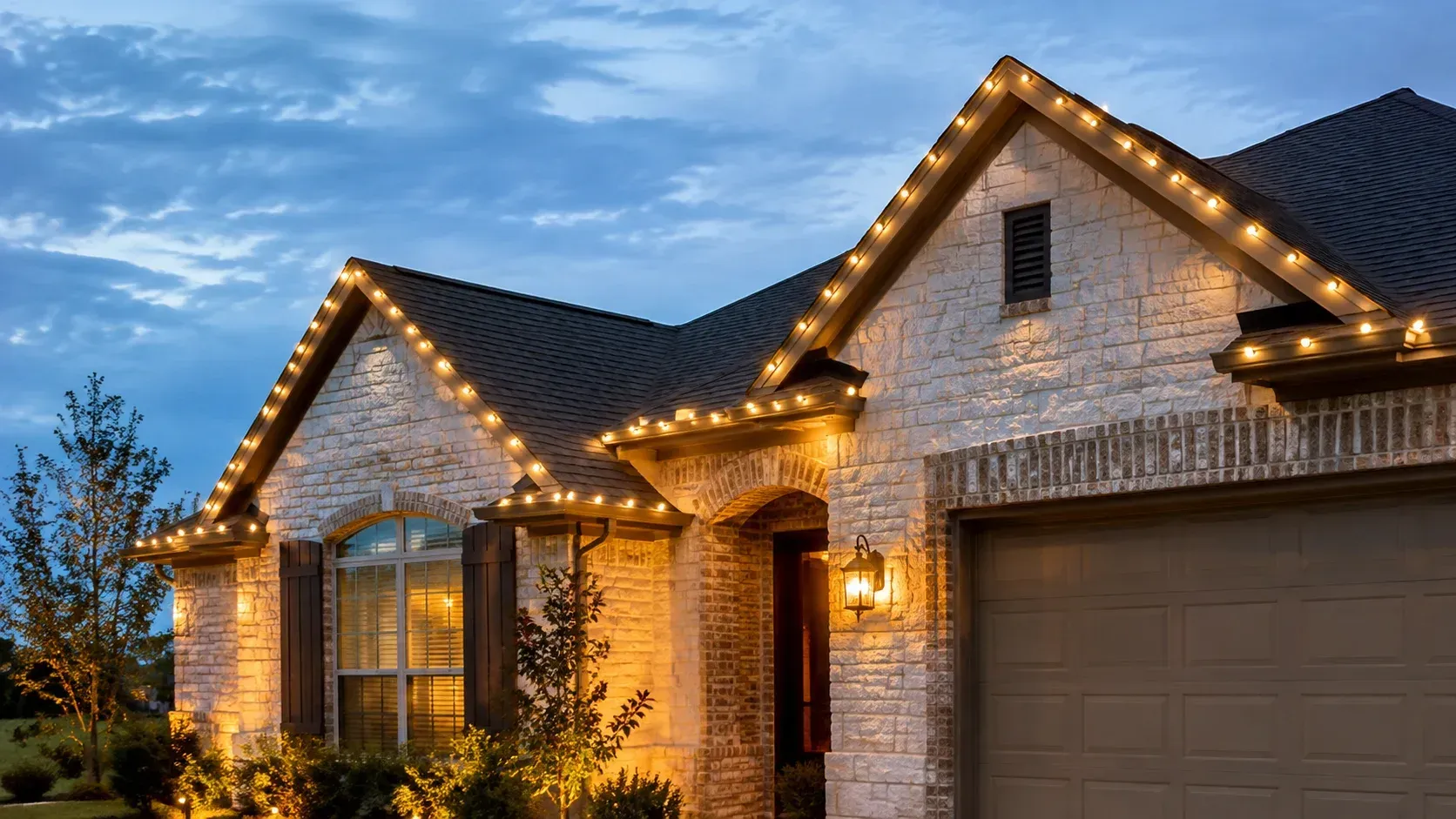
Homeowners who decorate extensively every year may benefit from permanent holiday lighting installation. Properly installed permanent lighting can reduce the need to repeatedly climb ladders and access the roof during the holiday season.
Common Ice-Dam Prevention Mistakes
Mistake 1: Assuming every winter leak is an ice dam
A winter leak can have many causes.
Possible sources include:
- Damaged flashing
- Missing shingles
- Wind damage
- Failed seals
- Roof penetrations
- Drainage problems
- Existing deterioration
A professional assessment can help determine the actual source instead of assuming ice is responsible.
Mistake 2: Breaking ice with tools
Using hammers, axes, shovels, or other tools against accumulated ice can damage shingles and other roofing components.
It can also create a serious safety hazard.
Mistake 3: Relying on a quick fix
Heating products or other temporary measures may be appropriate in specific circumstances, but they shouldn't replace addressing underlying insulation, ventilation, drainage, or roof-condition problems.
Mistake 4: Waiting until water reaches the ceiling
A ceiling stain means moisture has already traveled into the structure.
If you know your roof has damage or you notice unexplained moisture, addressing it before winter is preferable to waiting for an interior symptom.
What Actually Works: Address the Conditions Before the Ice
A practical winter preparation process is:
Inspect → identify vulnerabilities → improve drainage → evaluate attic conditions → repair defects → monitor after severe weather.
This approach is more useful than simply watching the weather forecast.
A homeowner doesn't need to predict whether Amarillo will receive snow. They need to make sure the roof is prepared if snow, sleet, or freezing rain does occur.
Before the holidays, working through a pre-winter roof maintenance checklist can help keep roof inspections, gutters, attic conditions, and minor repairs from being overlooked.
What We Would Never Recommend Doing
There are several shortcuts that aren't worth the risk:
- Walking on an icy roof to install Christmas lights.
- Breaking ice with heavy or sharp tools.
- Stapling or nailing decorations into roofing materials.
- Ignoring a recurring leak because it disappears when temperatures rise.
- Assuming a relatively new roof cannot have flashing or ventilation problems.
- Waiting until the first major freeze to discover roof damage.
- Treating a ceiling stain as the first reason to investigate a roof.
The broader lesson is that winter roof preparation should happen before winter creates a problem.
Practical Winter Roofing Lessons for Amarillo Homeowners
The biggest misconception about winter roof maintenance in Amarillo is that homeowners only need to worry when a major snowstorm is approaching.
The Texas Panhandle's weather is more unpredictable than that.
A roof can spend most of the winter exposed to ordinary cold temperatures and then encounter a short period of snow or freezing precipitation followed by a sharp temperature drop. That's enough to reveal weaknesses that weren't obvious during the fall.
It's also important to remember that winter problems don't necessarily begin in winter. Wind and hail earlier in the year can leave behind damaged roofing materials, flashing problems, or other vulnerabilities.
Understanding common roofing issues in Amarillo homes can help homeowners recognize problems that deserve attention before the next season arrives.
The better question to ask
Instead of asking:
"Will Amarillo get enough snow for an ice dam?"
Ask:
"Is my roof prepared if Amarillo gets an unusually cold and wet winter?"
That question leads to more useful maintenance decisions.
Pre-Christmas Roof Safety Checklist
Roof
- Check for missing, cracked, curled, or damaged roofing materials.
- Inspect visible flashing.
- Look for signs of previous leaks.
- Address known wind or hail damage.
- Have questionable areas professionally evaluated.
Gutters
- Remove leaves and debris.
- Clear downspouts.
- Check for sagging or damaged sections.
- Confirm water drains away from the foundation.
Attic
- Check insulation coverage.
- Make sure ventilation openings aren't blocked.
- Look for condensation or excessive moisture.
- Investigate musty odors or signs of mold.
Holiday Decorations
- Use outdoor-rated lights.
- Avoid puncturing roofing materials.
- Don't climb onto wet or icy roofs.
- Secure decorations against strong winds.
- Consider permanent lighting if you decorate extensively every year.
Conclusion
Preventing ice dams on Texas roofs comes down to maintaining proper attic conditions, keeping drainage clear, repairing roof vulnerabilities, and preparing before freezing weather arrives. Amarillo homeowners don't need to expect an ice dam every winter, but they should understand that sudden winter weather can expose weaknesses that have been developing throughout the year.
The most effective strategy isn't to wait until ice forms and then attempt to remove it. It's to prepare the roof, attic, gutters, flashing, and drainage system beforehand.
That preparation can also make Christmas decorating safer by reducing the need to climb onto the roof or improvise attachment methods.
Christmas Roof Safety and Winter Inspection in Amarillo
If your home has experienced wind or hail damage, developed a leak, or simply hasn't had a professional roof evaluation before winter, addressing those concerns early can help prevent a small problem from becoming a holiday emergency.
Elevated Roofing and Construction serves Amarillo and surrounding Texas Panhandle communities, including Borger, Canyon, Dalhart, Dumas, Pampa, Bushland, and Plainview. When you're ready to prepare your property for freezing weather, schedule your winter roof inspection and discuss any concerns before the next cold front arrives.
Frequently Asked Questions
Can ice dams form on roofs in Amarillo?
Yes. Ice dams are less common in Amarillo than in northern climates, but snow or freezing precipitation followed by below-freezing temperatures can create the conditions needed for ice accumulation and restricted drainage.
What causes ice dams to form?
Ice dams generally occur when snow or ice melts on warmer portions of a roof and then refreezes near colder roof edges. Uneven roof temperatures can be influenced by attic insulation and ventilation conditions.
Should I remove an ice dam myself?
Homeowners should avoid climbing onto an icy roof or breaking apart ice with tools. Both can cause serious injuries or damage roofing materials. Significant ice buildup or a resulting leak should be professionally evaluated.
Can clogged gutters cause ice dams?
Clogged gutters can interfere with drainage and contribute to water accumulation around roof edges, but they aren't necessarily the sole cause of an ice dam. Weather, roof temperature, attic conditions, and drainage can all contribute.
When should I have my roof inspected before winter?
Ideally, schedule an inspection before severe winter weather arrives. This gives you time to correct damaged roofing materials, flashing, drainage issues, or other vulnerabilities before freezing conditions make repairs more difficult.
Related Posts