Sustainable Roofing Trends What Home and Business Owners Need to Know
April 7, 2024
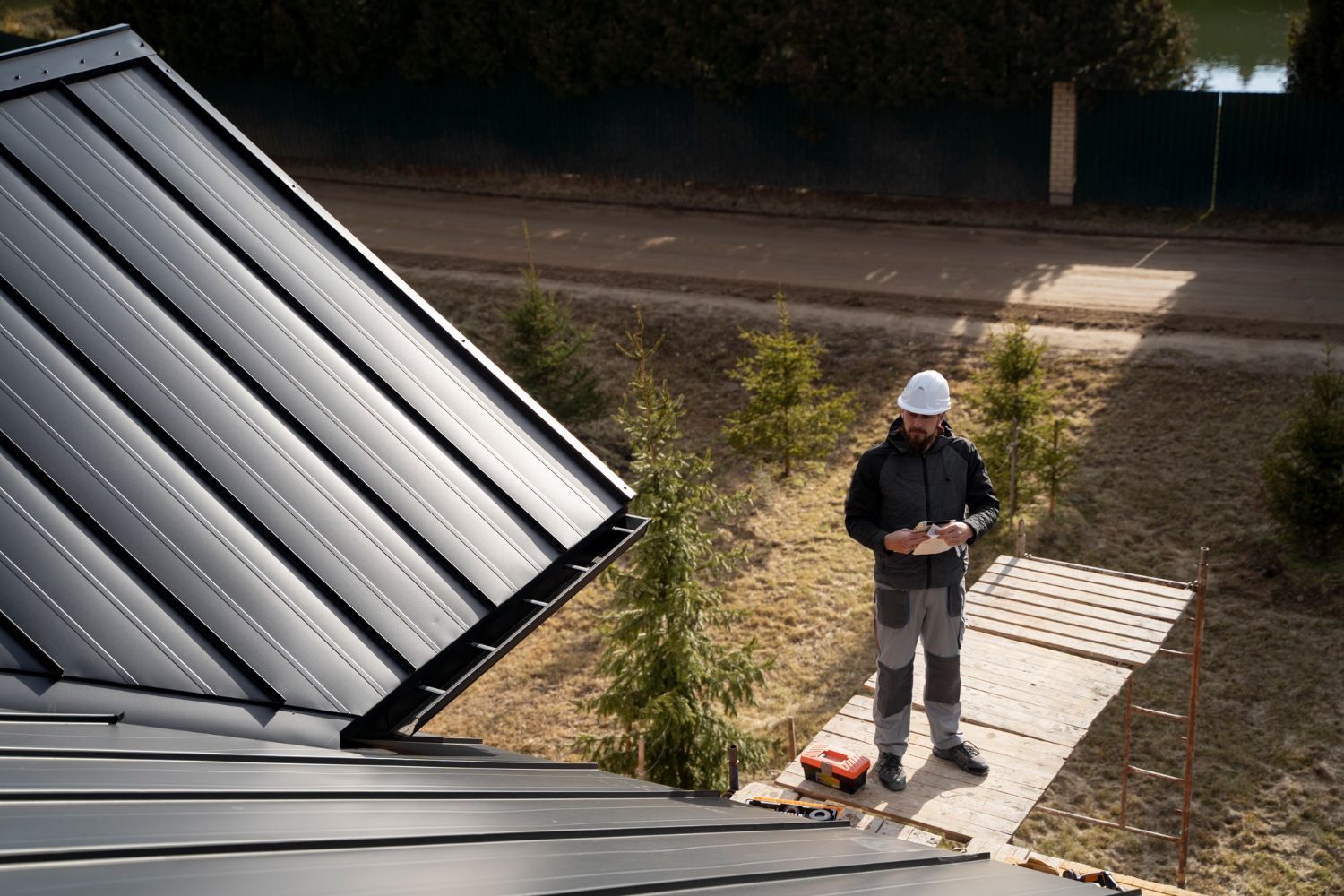
Table of Contents
- Introduction
- What Sustainable Roofing Really Means in Amarillo
- Energy-Efficient Roofing Materials
- Metal Roofing and Long-Term Resource Efficiency
- Recycled and Recyclable Roofing Materials
- Smarter Roofing Technology and Inspections
- Sustainable Roofing Maintenance: The Part Owners Often Overlook
- What Works, and What Often Goes Wrong
- Residential vs. Commercial Sustainable Roofing
- Choosing Sustainable Roofing for the Texas Panhandle
- Frequently Asked Questions
Key Takeaways
- Sustainable roofing is not simply about choosing the newest “green” material; durability, energy performance, maintenance requirements, and service life all matter.
- In Amarillo, roofing decisions should account for intense sun, high winds, hail, temperature swings, and the cost of keeping buildings comfortable.
- Metal roofing, reflective roofing systems, durable materials, and proactive maintenance can contribute to a more sustainable roofing strategy.
- A roofing material is only as sustainable as its installation and maintenance. Premature replacement can erase many of the environmental benefits of a long-lasting system.
- Homeowners and businesses should evaluate the entire roofing lifecycle rather than choosing a product based solely on an eco-friendly label.
Introduction
The most practical sustainable roofing strategy for Amarillo is to choose a durable, energy-conscious roof that performs well in the Texas Panhandle climate and remains useful for as long as possible. For homeowners considering an environmentally responsible upgrade, residential roofing solutions designed for durability and energy efficiency can be a better long-term investment than selecting a product simply because it is marketed as “green.”
For Amarillo properties, that means looking beyond trends. A roof that survives years of intense sunlight, wind, hail, and temperature fluctuations without frequent replacement can have a meaningful sustainability advantage over a system that requires repeated repairs or premature replacement.
What Sustainable Roofing Really Means in Amarillo
Sustainable roofing is best viewed as a lifecycle decision.
Instead of asking only, “Is this material environmentally friendly?” property owners should consider:
- How long will the roofing system realistically last?
- How well does it handle Amarillo's weather?
- Can it reduce heat absorption or energy consumption?
- How much maintenance will it require?
- Can damaged components be repaired instead of replacing the entire system?
- What happens to the material when the roof eventually reaches the end of its useful life?
- Was the system installed correctly in the first place?
This broader approach is important because a highly durable roof that avoids unnecessary replacement can conserve materials, labor, transportation, and disposal resources over time.
Energy-Efficient Roofing Materials
Energy efficiency remains one of the most practical aspects of sustainable roofing, particularly in a climate where summer heat can place significant demands on a building.
Reflective roofing surfaces can reduce the amount of solar heat absorbed by the roof. Depending on the roofing system, this may help reduce heat transfer into the building and lessen the demand placed on cooling equipment.
For homeowners, the goal isn't necessarily to find the most expensive high-performance roofing material. It is to select a system whose energy characteristics make sense for the building.
For example, a roof with a reflective finish may be particularly useful on a structure that receives substantial direct sunlight. However, the benefits depend on the entire building envelope, including insulation, ventilation, windows, and HVAC efficiency.
The Amarillo Climate Changes the Calculation
A sustainable roofing decision in Amarillo cannot simply copy recommendations developed for coastal or northern markets.
The Texas Panhandle brings a different combination of:
- Strong sunlight
- High winds
- Hail exposure
- Rapid temperature changes
- Occasional freezing conditions
- Heavy rainfall and storms
That means durability should be treated as part of energy and environmental performance, not as a separate consideration.
Metal Roofing and Long-Term Resource Efficiency
Metal roofing continues to attract attention because durability and sustainability often overlap.
A properly selected metal roofing system can provide a long service life while also offering energy-conscious finish options. Elevated Roofing and Construction's residential roofing offerings include metal roofing designed around longevity and energy efficiency.
For homeowners interested in this option, the existing article on stone coated metal roofing for Amarillo homes provides additional context on how this type of roofing can combine weather resistance, energy performance, and design flexibility.
But metal isn't automatically the sustainable choice for every property.
The correct question is whether the system is appropriate for the structure, installation conditions, expected weather exposure, and owner's long-term plans. A material that performs exceptionally well but is poorly installed can still experience premature problems.
A Lesson Worth Remembering
Longevity is only valuable when the installation supports it.
Choosing a durable material and then cutting corners on flashing, fasteners, underlayment, ventilation, or detailing undermines the entire purpose of investing in a long-lasting roof.
Recycled and Recyclable Roofing Materials
Recycled content and end-of-life recyclability are increasingly important considerations when evaluating roofing materials.
Metal roofing is one example where material recovery can become part of the sustainability conversation. Depending on the specific product and local recycling infrastructure, metal components may have opportunities for recovery rather than simply being treated as construction waste.
However, homeowners should be careful with broad claims about recyclability.
A roofing product being technically recyclable does not necessarily mean tha every component will actually be recycled. Adhesives, coatings, mixed materials, insulation, membranes, fasteners, and other components can complicate disposal.
Ask Better Questions Before Choosing a “Green” Roof
Instead of accepting a sustainability claim at face value, ask:
- What percentage of the product contains recycled material?
- How long is the expected service life?
- What maintenance does it require?
- Which components are replaceable?
- What happens when the roof reaches the end of its useful life?
- Does the manufacturer provide specific recycling or recovery information?
Those questions produce a much more useful sustainability assessment than a simple “eco-friendly” label.
Smarter Roofing Technology and Inspections
Technology can also contribute to more sustainable roofing by helping property owners identify problems before they require major intervention.
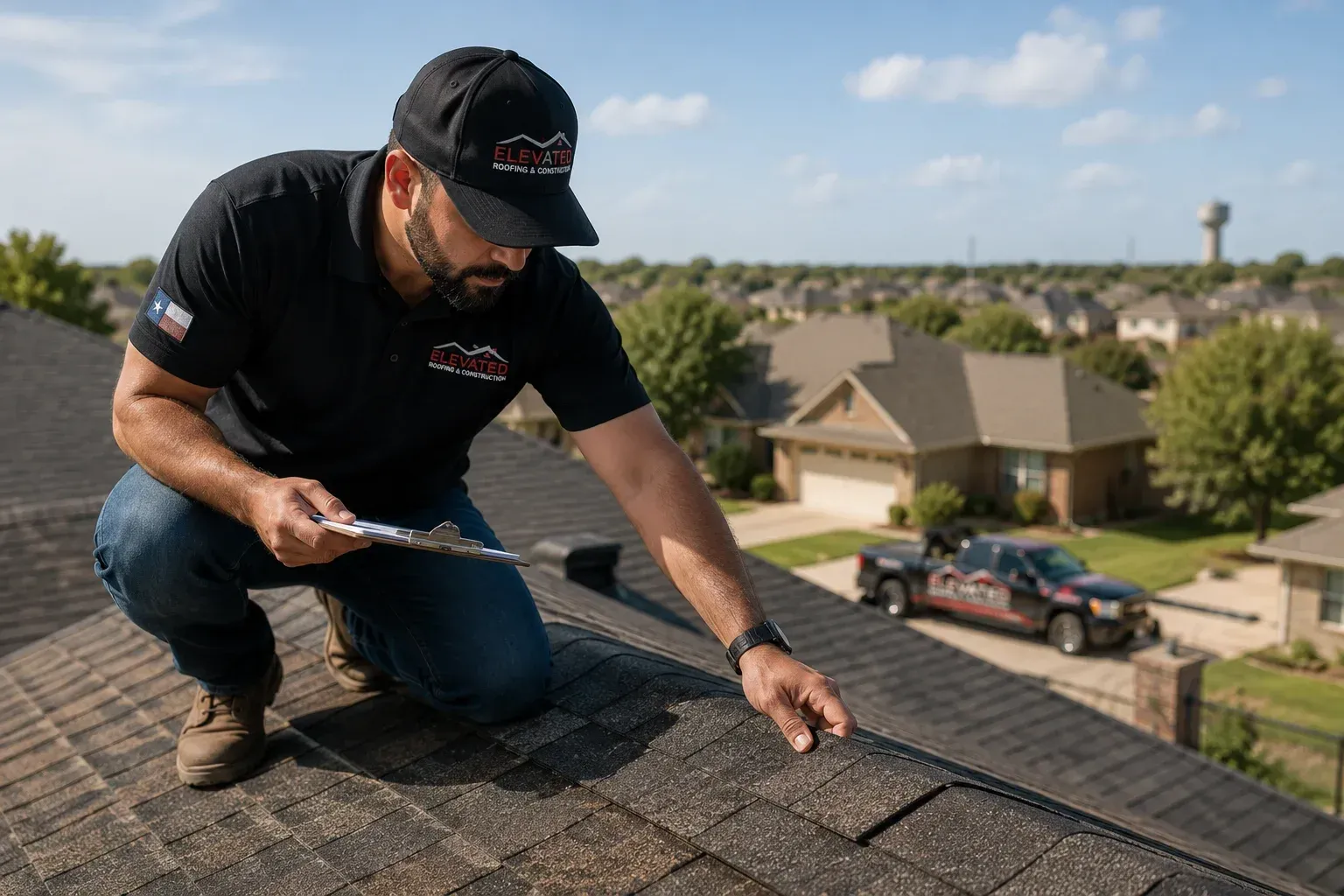
Professional inspections can identify deterioration, damaged materials, leaks, and other issues that may shorten a roof's useful life. Elevated Roofing and Construction's roof inspection process includes exterior assessment as well as attention to attic conditions, ventilation, insulation, and potential moisture intrusion.
This matters because preventive maintenance can sometimes be more sustainable than replacement.
A small problem identified early may require a localized repair. The same problem left unresolved could eventually contribute to widespread water damage, deteriorated decking, insulation problems, or premature roof replacement.
Drone inspections and other technologies can also make certain inspections safer and more efficient, particularly when roof access is difficult. But technology should support professional judgment rather than replace it.
Sustainable Roofing Maintenance: The Part Owners Often Overlook
The most sustainable roof is not necessarily the one with the most impressive product specifications.
It is often the one that is kept in service through proper maintenance.
Simple maintenance can include:
- Keeping gutters and drainage pathways clear
- Watching for damaged or displaced roofing materials
- Checking flashing and roof penetrations
- Looking for signs of water intrusion
- Monitoring attic ventilation and insulation
- Addressing storm damage promptly
- Scheduling professional inspections when appropriate
Elevated Roofing and Construction's existing guidance on maintaining your roof between professional inspections reinforces an important point: homeowners can monitor obvious problems between inspections, but routine homeowner checks do not replace a professional assessment.
What Often Fails
One of the biggest mistakes with “sustainable” roofing is focusing heavily on the initial material choice while neglecting maintenance afterward.
A premium roofing system cannot compensate indefinitely for:
- Unaddressed leaks
- Blocked drainage
- Damaged flashing
- Poor attic ventilation
- Repeated storm damage
- Deferred repairs
Sustainability is a maintenance strategy as much as it is a material strategy.
What Works, and What Often Goes Wrong
Generic roofing advice often makes sustainable roofing sound as simple as installing a reflective or recycled material. In practice, the decision is more complicated.
What Works
A more reliable approach is to evaluate the roof as a complete system:
1. Start with the building.
Consider whether the property is residential or commercial, how much roof area it has, how it is used, and where heat and moisture problems occur.
2. Start with the local climate.
Amarillo's wind, hail, sun, and temperature swings should influence the material and installation approach.
3. Prioritize service life.
A durable system that remains functional for decades can reduce the frequency of material-intensive replacement projects.
4. Maintain the roof.
Prompt repairs can preserve usable roofing rather than forcing an earlier full replacement.
5. Consider the entire system.
Roofing material, insulation, ventilation, drainage, flashing, and installation quality all affect performance.
What We Would Never Recommend
We would not recommend choosing a roofing system solely because it has a sustainability claim attached to it.
A “green” label does not automatically make a product the right choice for an Amarillo property.
The better approach is to compare durability, performance, maintenance requirements, climate suitability, installation quality, and lifecycle value together.
Residential vs. Commercial Sustainable Roofing
Sustainability can mean different things depending on the property.
For Homeowners
Residential owners may prioritize:
- Lower cooling demands
- Long-term durability
- Curb appeal
- Storm resistance
- Maintenance requirements
- Material longevity
Metal roofing, reflective finishes, and durable roofing systems may be worth evaluating when they align with the home's structure and owner's goals.
For Businesses
Commercial owners may have additional concerns, including:
- Large roof areas
- Energy expenses
- Building occupancy
- Maintenance access
- Equipment located on the roof
- Drainage requirements
- Downtime during repairs
- Long-term operating costs
For those properties, sustainability should be evaluated alongside operational reliability. Elevated Roofing and Construction provides commercial roofing systems in Amarillo and nearby areas, including TPO, PVC, tar and gravel, shingles, and metal roofing options.
The right material depends on the property's specific needs rather than a universal sustainability ranking.
Sustainable Roofing Lessons from the Texas Panhandle
The local climate provides an important lesson: durability and sustainability should not be separated.
Elevated Roofing and Construction's article on seasonal roofing challenges in Texas emphasizes preparation for changing weather, including securing vulnerable roofing components, keeping drainage clear, and addressing problems before they worsen.
That practical approach is more useful than chasing every new roofing trend.
A sustainable roof should be capable of doing its primary job: protecting the building.
If a roofing system cannot handle the conditions it is exposed to, frequent repairs or early replacement can offset whatever environmental advantages the original material offered.
Choosing a Sustainable Roofing Strategy for Your Amarillo Property
Before committing to a roofing material, homeowners and business owners should work through this checklist:
1. Identify the Building's Biggest Roofing Problem
Is the priority heat management, storm resistance, durability, recurring leaks, maintenance, or an aging roof?
2. Evaluate the Existing Roof
If the existing roof is still serviceable, extending its useful life through appropriate maintenance or repair may be more sustainable than replacing it prematurely.
3. Compare Materials by Lifecycle
Look beyond purchase price and ask about expected lifespan, maintenance, energy performance, repairability, and eventual replacement.
4. Consider Installation Quality
Even excellent roofing materials can underperform when installation details are overlooked.
5. Plan for Maintenance
Build inspections and routine upkeep into the property's long-term budget rather than treating them as optional expenses.
6. Account for Local Weather
A sustainable roofing material must still be capable of handling Amarillo's wind, hail, intense sun, and temperature fluctuations.
Conclusion: The Most Sustainable Roof Is One That Lasts
Sustainable roofing for Amarillo homes and businesses is ultimately about making smarter long-term decisions rather than following a short-lived trend. Energy efficiency, recycled materials, durable roofing systems, modern inspection technology, and responsible maintenance can all contribute to a more sustainable property, but none should be considered in isolation.
Instead of asking what roofing technology is fashionable this year, property owners should ask what will protect their building efficiently, reliably, and responsibly for the longest practical period.
For Amarillo and the surrounding Texas Panhandle, that means choosing materials and installation practices that can withstand the local climate while minimizing unnecessary repairs, waste, and premature replacement.
Sustainable Roofing Solutions for Amarillo Homes and Businesses
If you're evaluating an energy-efficient roof, considering a longer-lasting material, or trying to determine whether your existing roof should be repaired or replaced, the right starting point is a property-specific assessment.
Elevated Roofing and Construction serves Amarillo, Borger, Canyon, Dalhart, Dumas, Pampa, Bushland, Plainview, and surrounding areas. When you're ready to discuss your property's roofing needs, you can schedule a roofing consultation with the team and discuss which options make practical sense for your building, budget, and long-term goals.
Frequently Asked Questions
What makes a roof sustainable?
A sustainable roof combines durability, appropriate energy performance, efficient material use, maintainability, and a long useful life. The best choice depends on the building and local climate rather than a single “green” feature.
Is metal roofing a sustainable choice for Amarillo homes?
Metal roofing can be a strong sustainability option when its durability, energy performance, and long service life make sense for the property. Elevated Roofing and Construction offers metal roofing as part of its residential roofing options.
Can maintaining an existing roof be more sustainable than replacing it?
Yes. If an existing roof remains structurally sound, timely maintenance and appropriate repairs can extend its useful life and postpone the material consumption associated with full replacement.
Are energy-efficient roofing materials worth considering in Amarillo?
They can be. Reflective roofing surfaces and other energy-conscious options may help manage heat absorption, but the overall benefit depends on the roof, insulation, ventilation, building design, and HVAC system.
Should homeowners choose roofing materials based only on environmental claims?
No. Environmental claims should be one consideration among many. Durability, storm resistance, installation quality, maintenance needs, lifecycle cost, energy performance, and suitability for Amarillo's climate should all be evaluated before making a decision.
Related Posts